Cooking Guides
The core techniques of this cooking, step by step — and how to shop for them.
Techniques
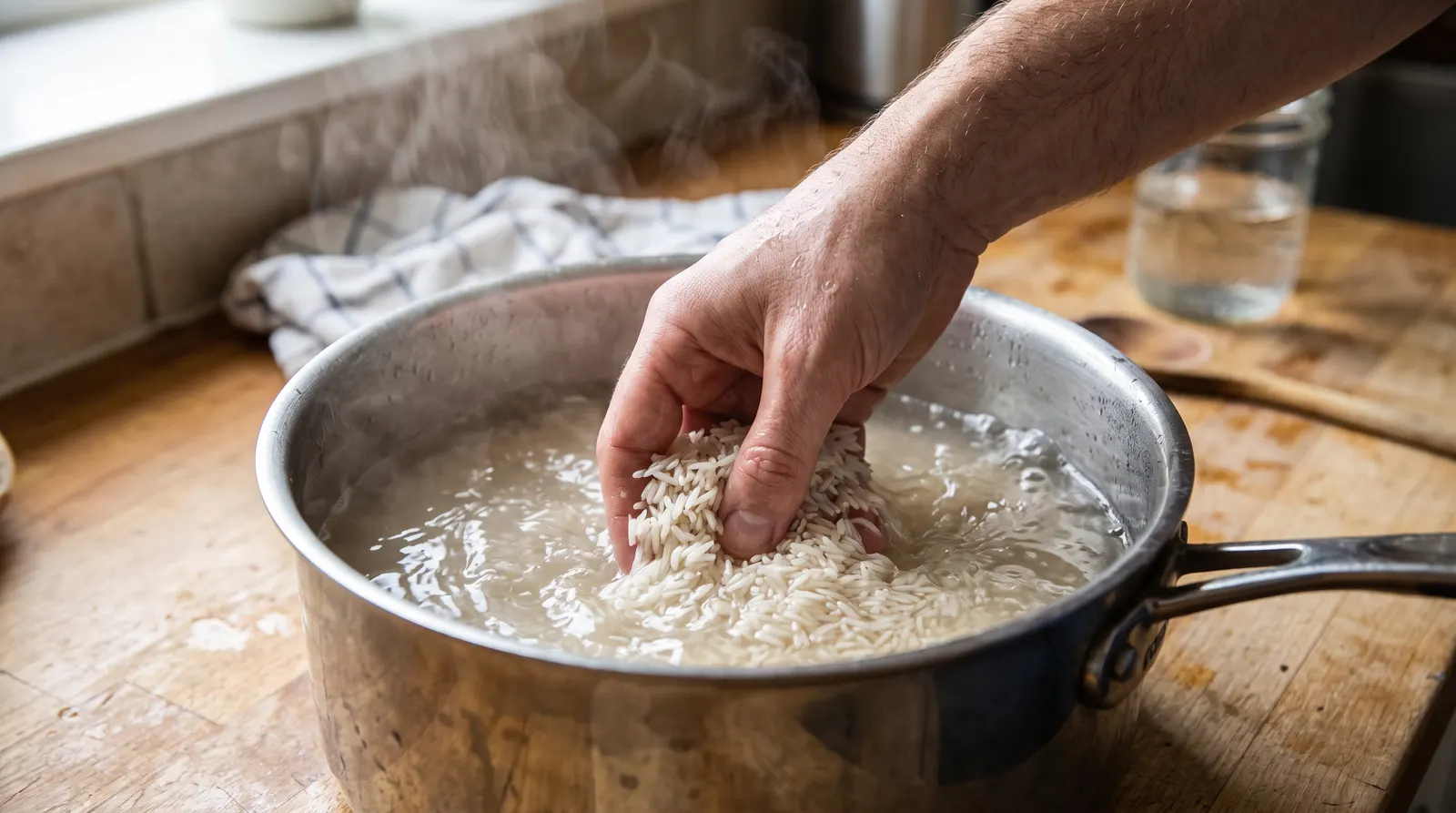
How to Cook Basmati Rice
The absorption method for long-grain basmati — the difference between separate, aromatic grains and the sticky…
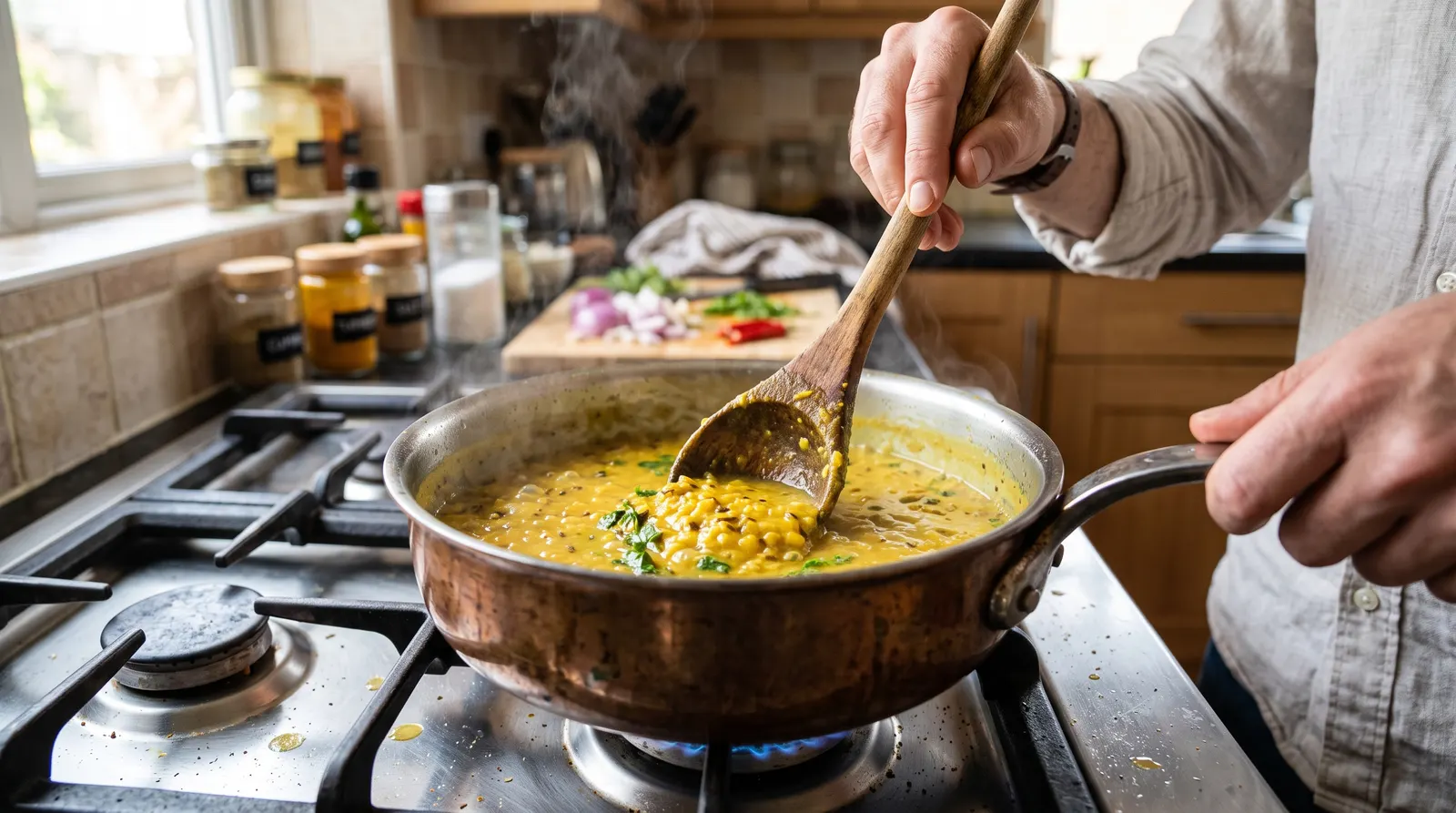
How to Cook Dal (Any Dal)
One method that covers every dal in the cupboard — moong, masoor, toor, chana, urad, rajma — by sorting them i…
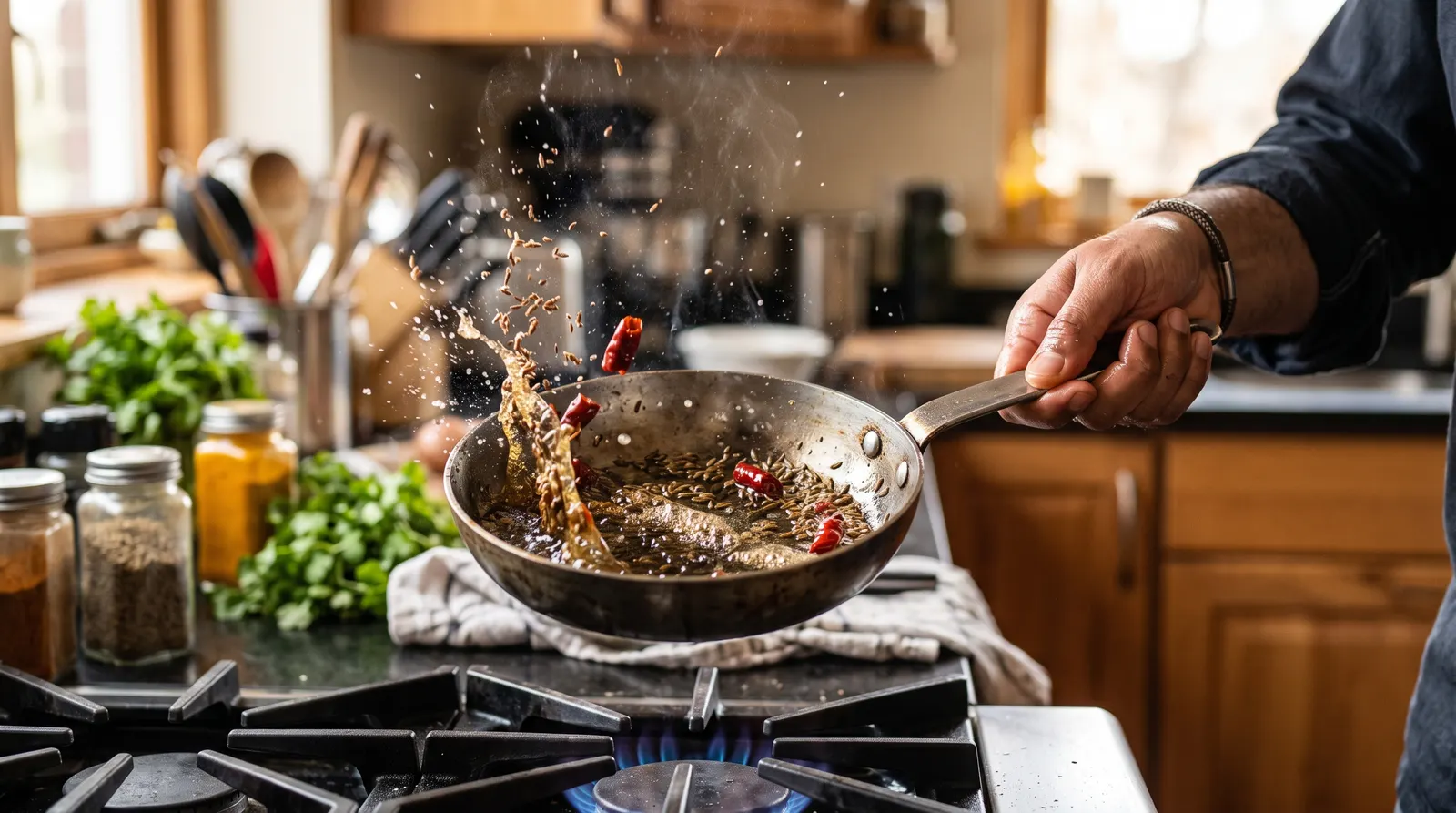
Tadka: The Art of Tempering
The thirty-second technique that finishes most Indian and Nepali dishes: whole spices bloomed in hot fat until…
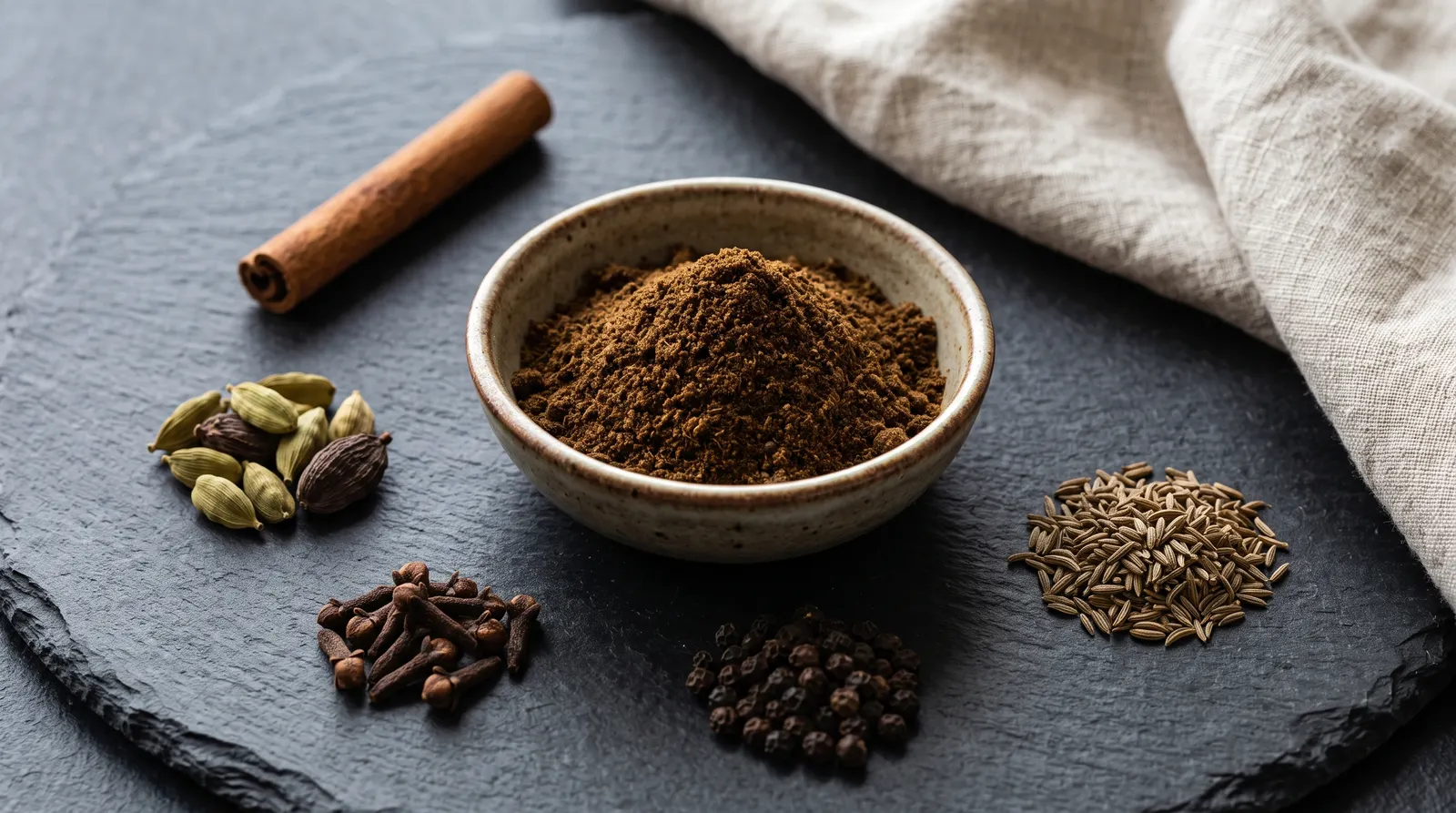
Making Sense of Garam Masala
What garam masala actually is — a warming whole-spice finishing blend, not a curry powder — and how to build, …
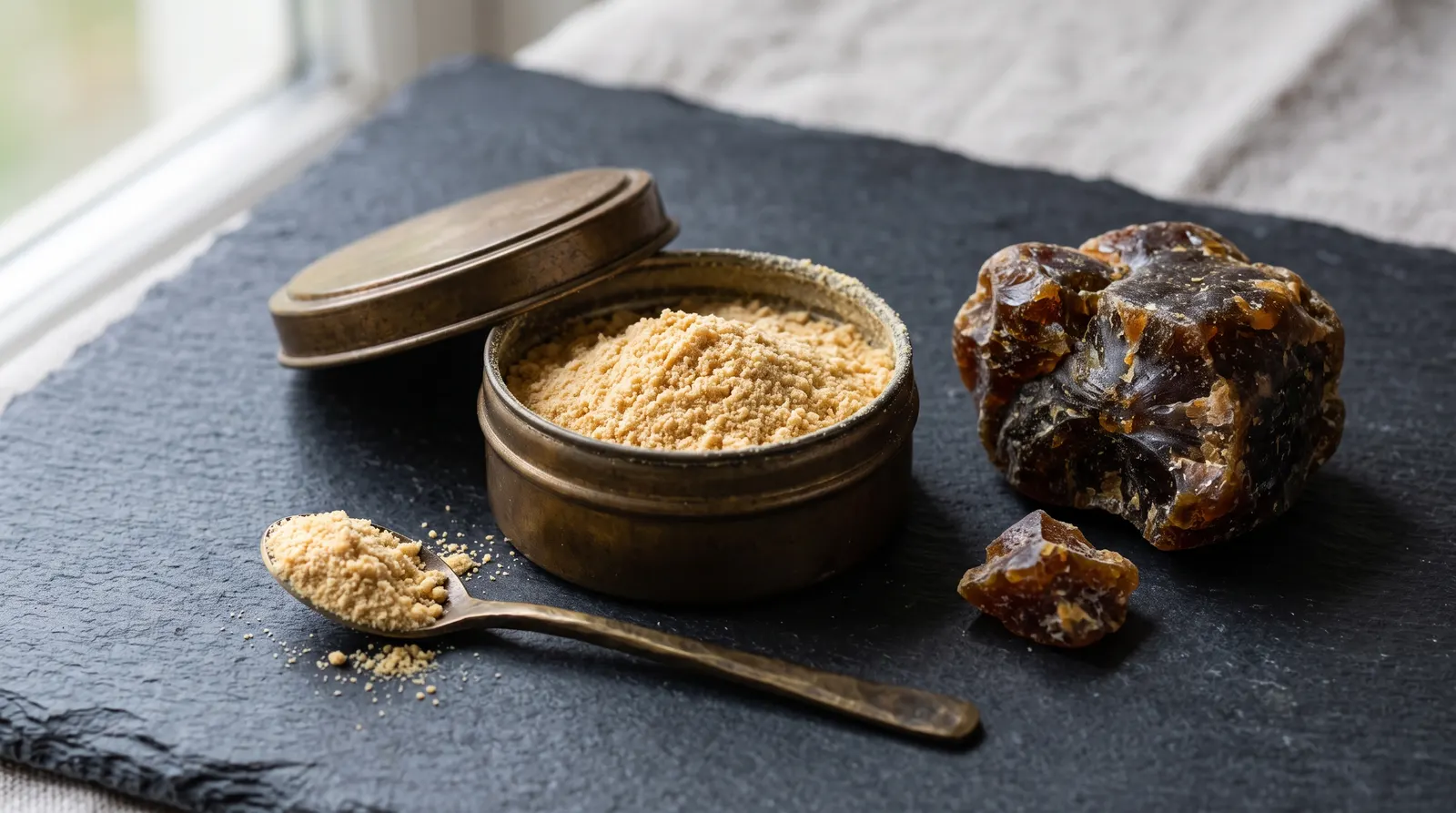
Cooking With Hing (Asafoetida)
How to use asafoetida so it tastes like the savoury back note it is — which form to buy, the exact half-measur…
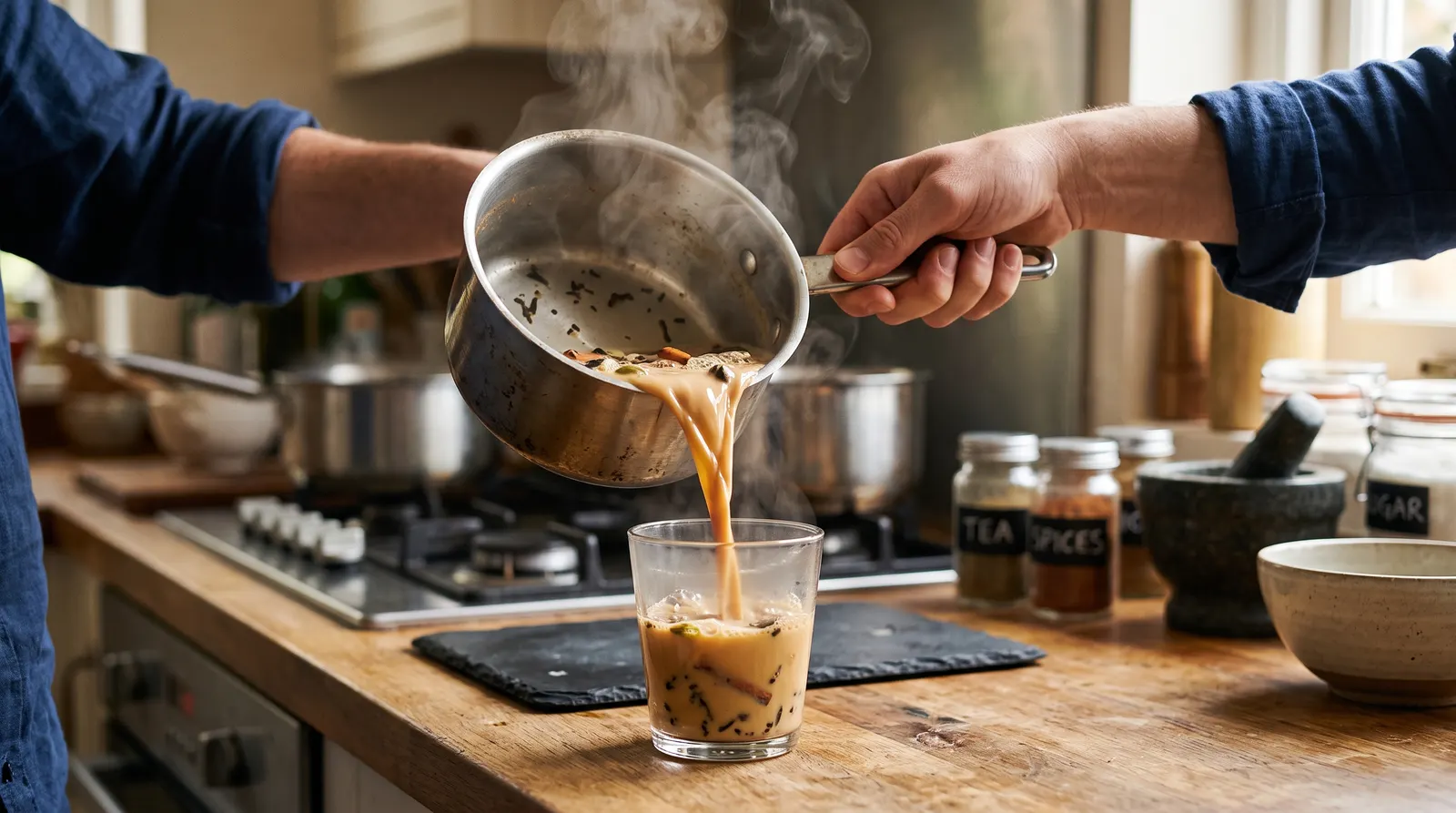
How to Make Masala Chai
Real masala chai: water and milk boiled together with crushed ginger and green cardamom, then strong CTC tea a…
Buying guides

Most home cooking goes wrong at the technique, not the ingredient list. Rice turns sticky because it was stirred or under-rinsed. Dal stays grainy because it was salted too early or cooked at too high a simmer. A tadka tastes raw because the oil was not hot enough when the seeds went in, or burnt because it was too hot. Chai turns bitter because the tea was boiled with the milk for too long rather than steeped. None of these need a new ingredient to fix; they need a different order of operations.
The guides here are organised around techniques and buying decisions rather than recipes. That is deliberate: a recipe tells you what to do once, while a technique explains why, so it transfers to the next dish. Once you know how to temper whole spices in fat, you can apply it to a dal, a vegetable, a chutney or a yoghurt dish. Once you can tell when basmati is done, you can cook any long-grain rice without measuring a clock.
Each guide follows the same shape: the problem the technique solves, the method in ordered steps, the professional detail that separates a good result from a great one, the reason it works, and the common failures with their fixes. Where a number matters — a ratio, a temperature, a resting time — it is given. Where it does not, the guide says what to look for instead.
The buying guides cover the decisions that are hard to undo later: whole spices versus ground, what to look for on a packet, and how to shop for Indian ingredients in Japan without overpaying for stale stock. The pantry guide covers the ingredients themselves; the dish guides put the techniques to work.