The Pantry Guide
Every shelf staple of Indian and Nepali cooking — what it is, how to cook it, and what to look for when you buy it.
Dal & Beans
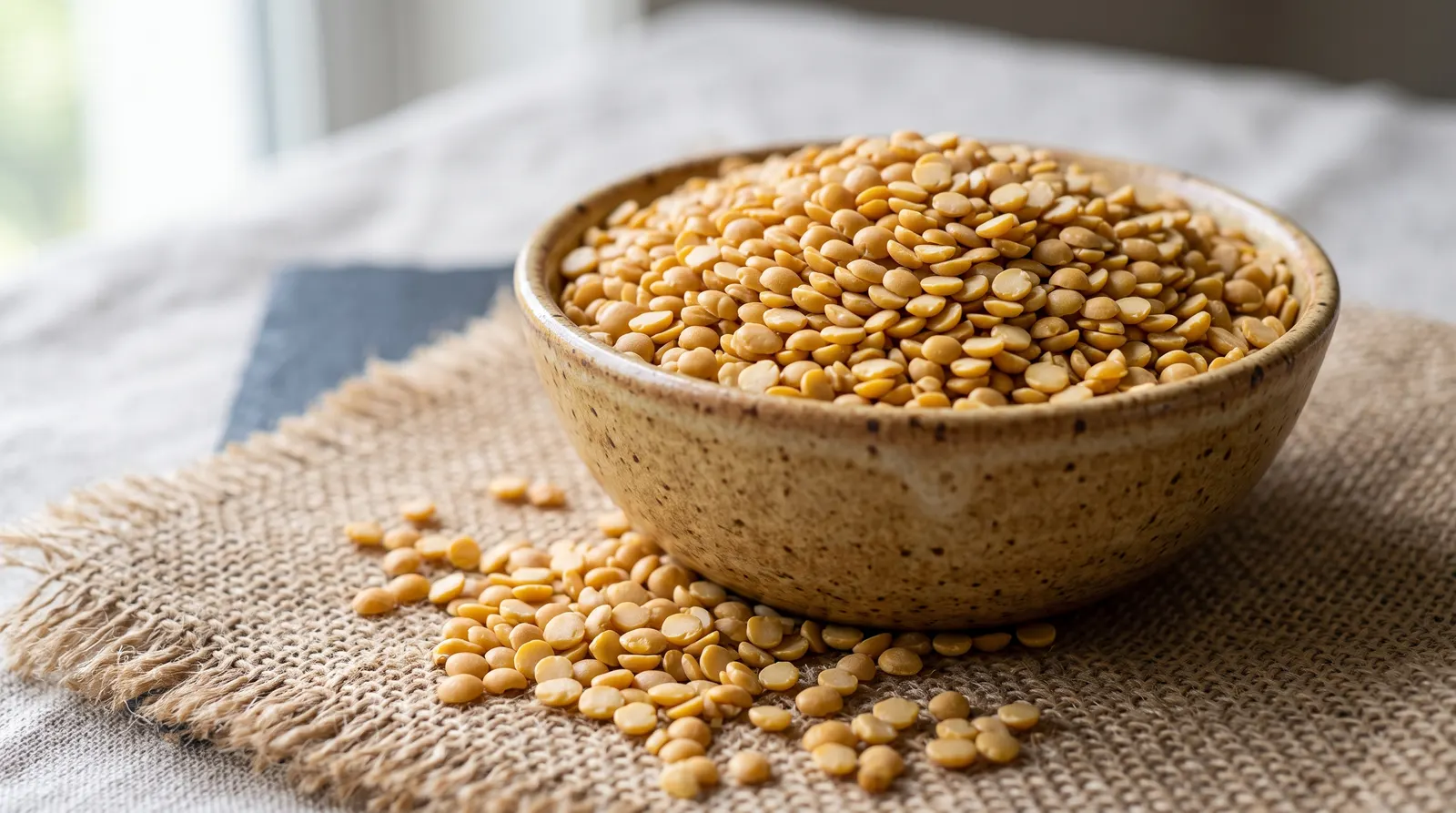
Toor Dal
The dal behind sambar and most everyday North Indian dal dishes: split, skinned pigeon peas that cook down sof…
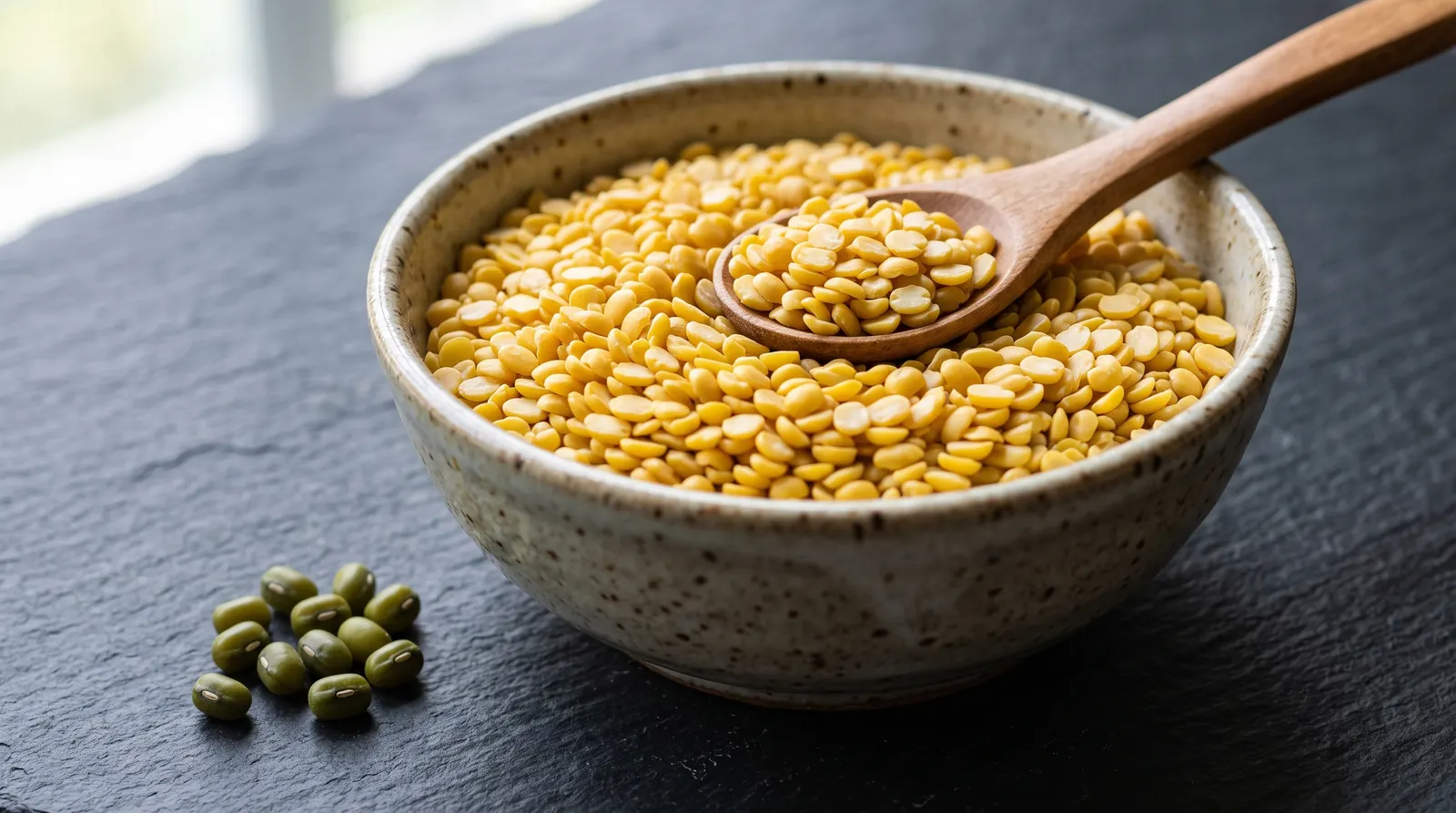
Moong Dal
The small yellow dal that cooks faster than anything else on the shelf: split, skinless mung beans that soften…
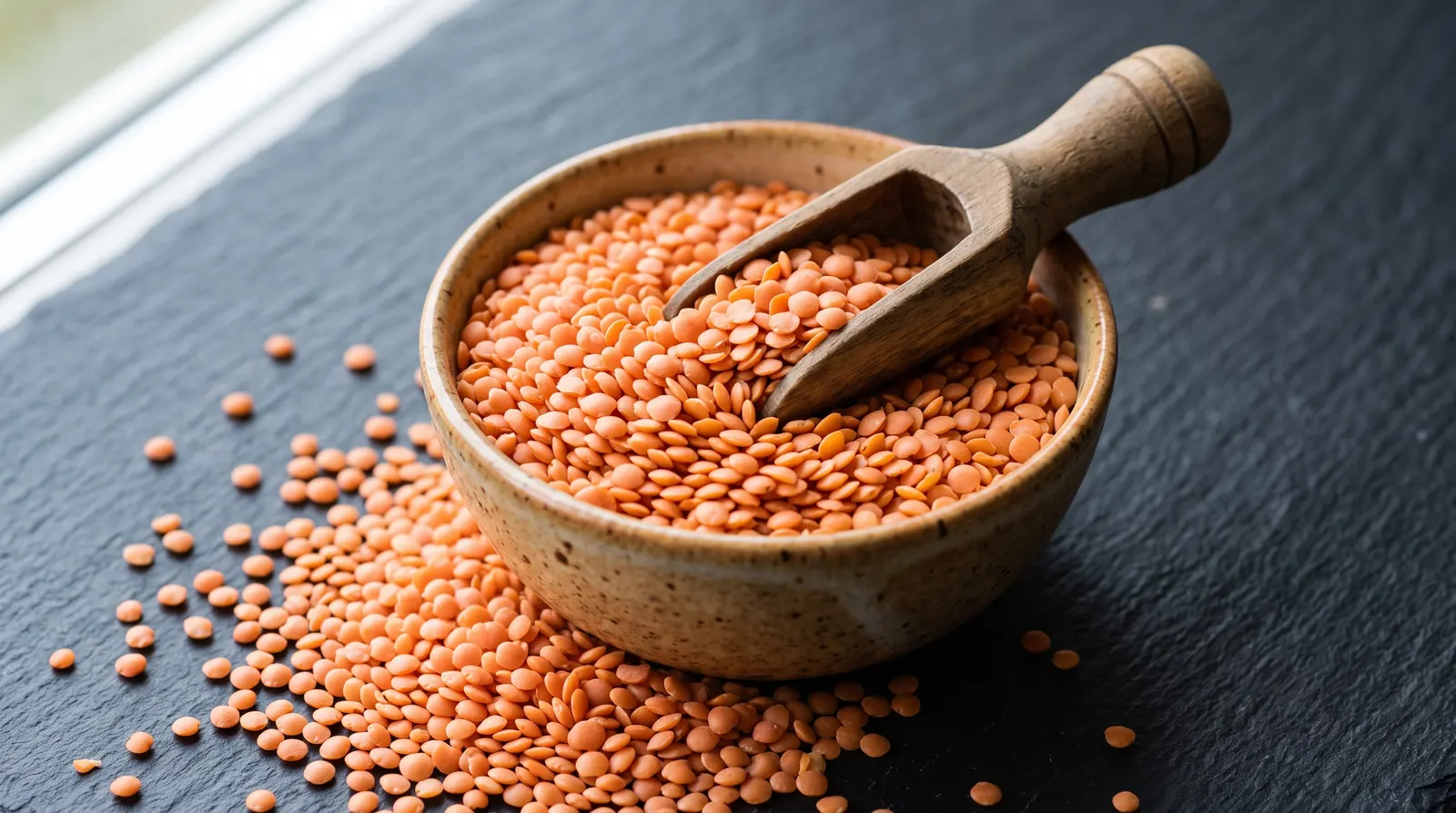
Masoor Dal
The everyday red dal: split, skinned lentils that collapse into a soft purée faster than any other common dal,…
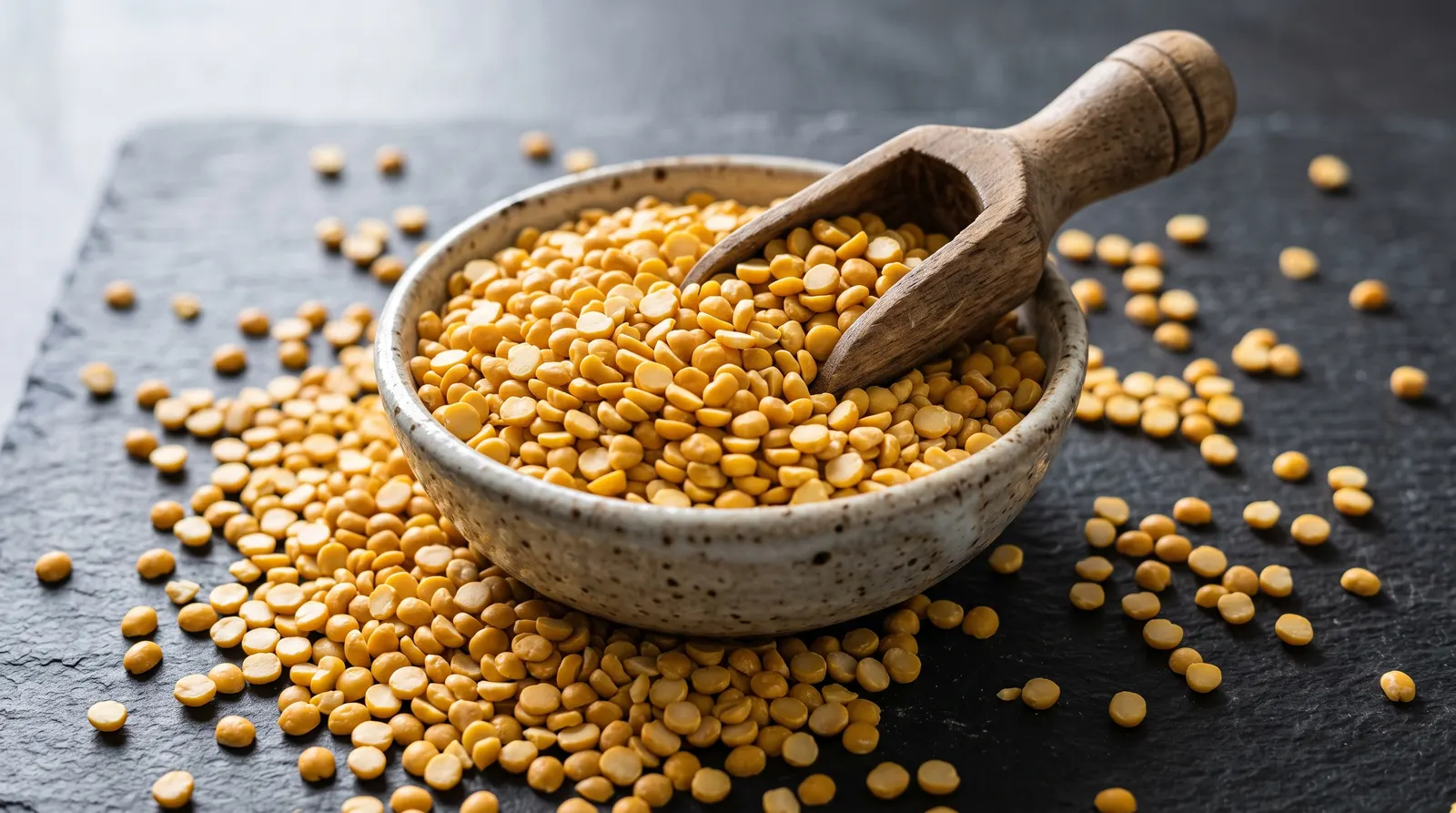
Chana Dal
Split desi chickpeas: a dense yellow dal that keeps its grain far longer than toor or masoor, which makes it t…
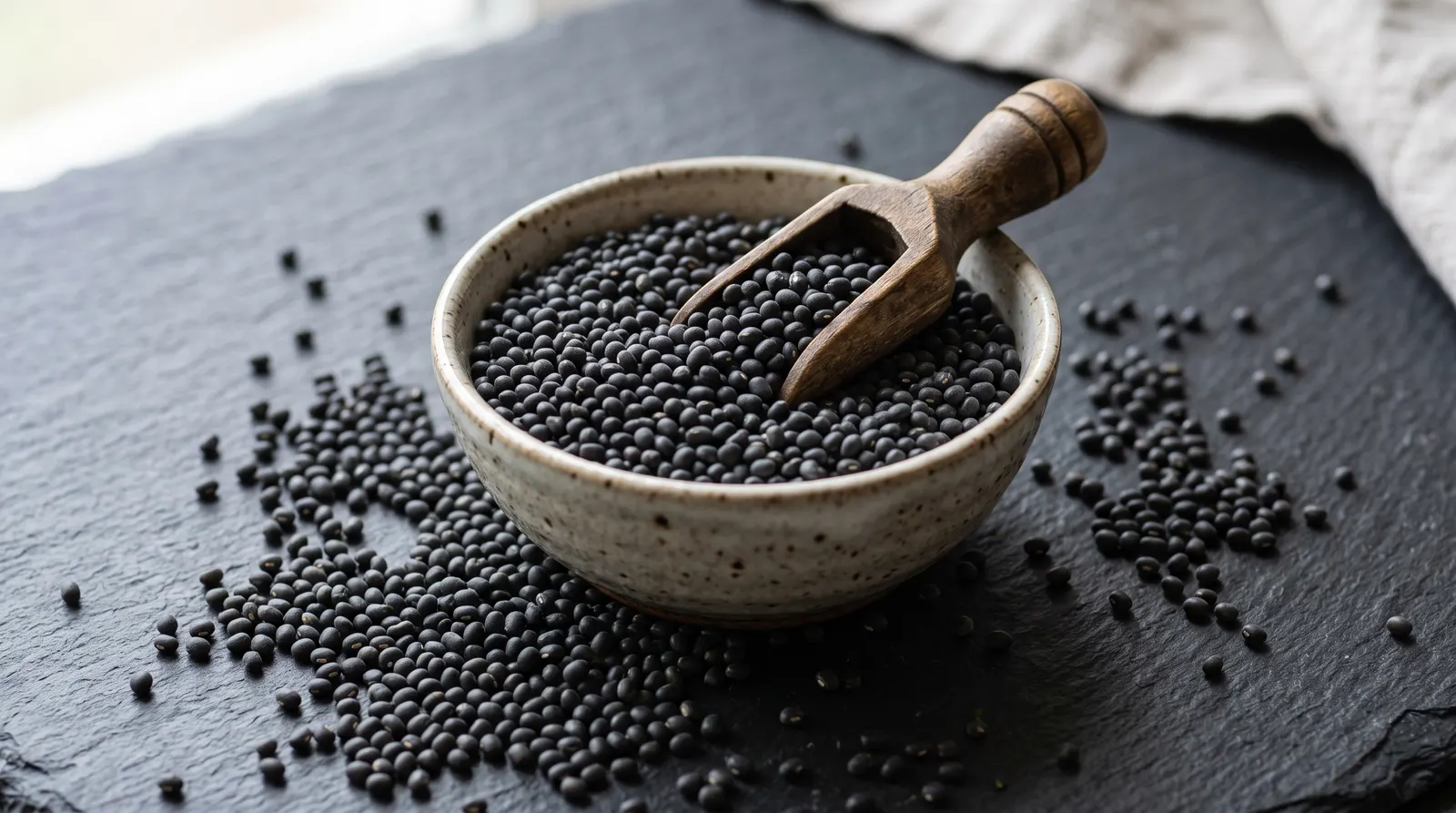
Urad Dal
Both faces of black gram in one bag: the split white grain that ferments with rice into idli and dosa batter, …
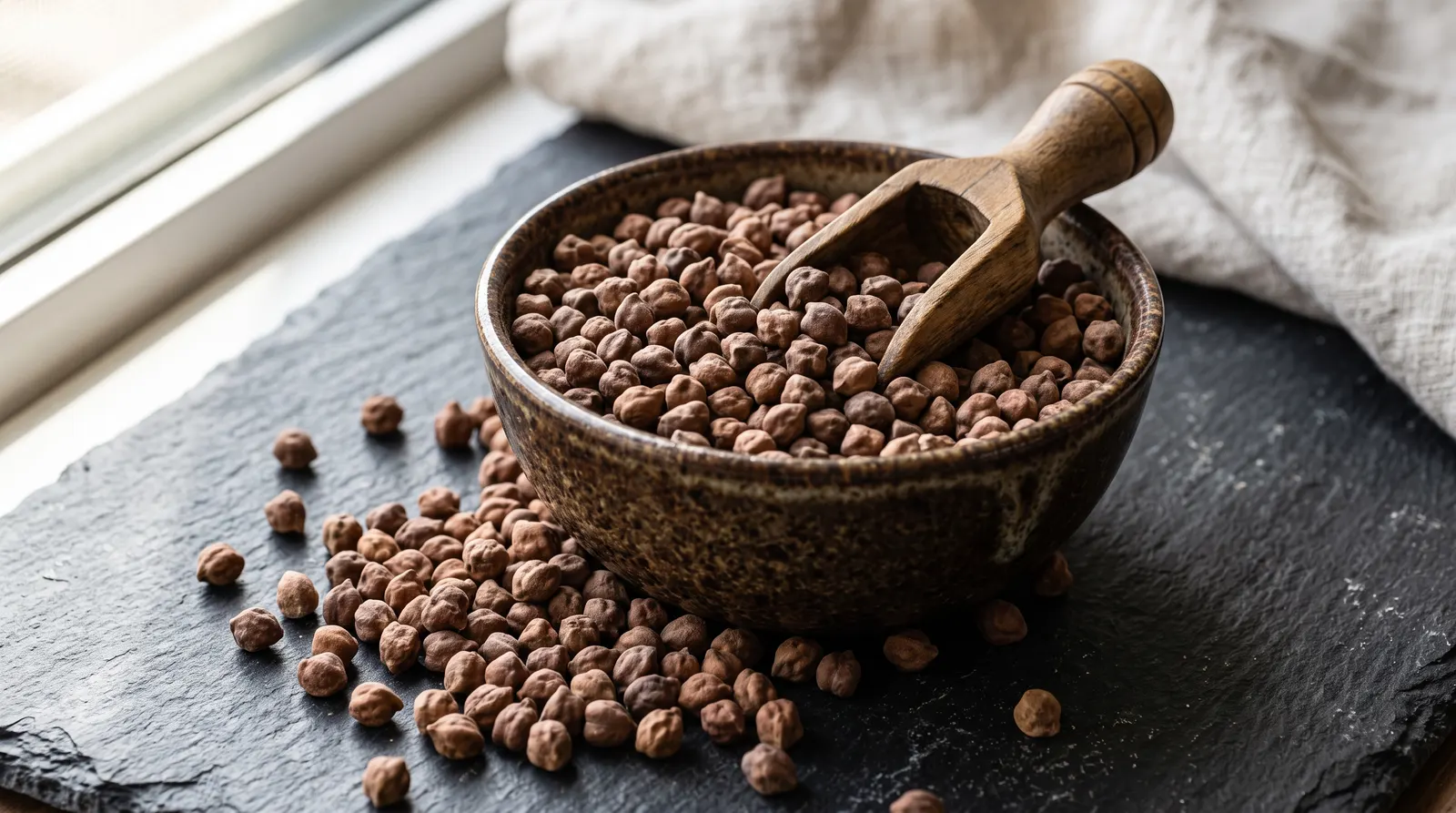
Kala Chana
Whole desi chickpeas: smaller, darker and much firmer than the pale kabuli chickpea, with a nuttier skin and a…
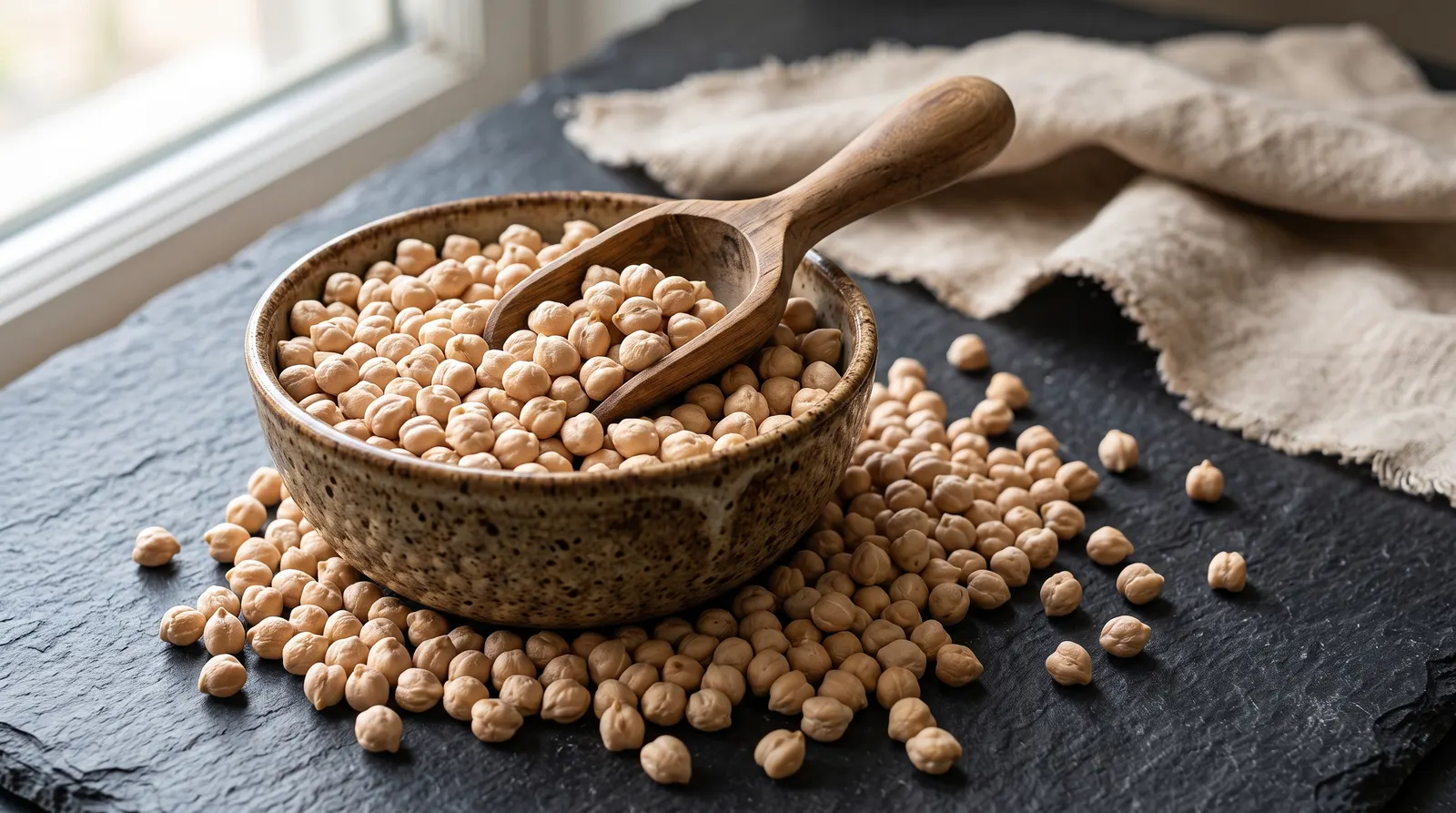
Kabuli Chana
The large pale chickpea behind chana masala and chhole: cream-coloured, starchy, and able to turn creamy at th…
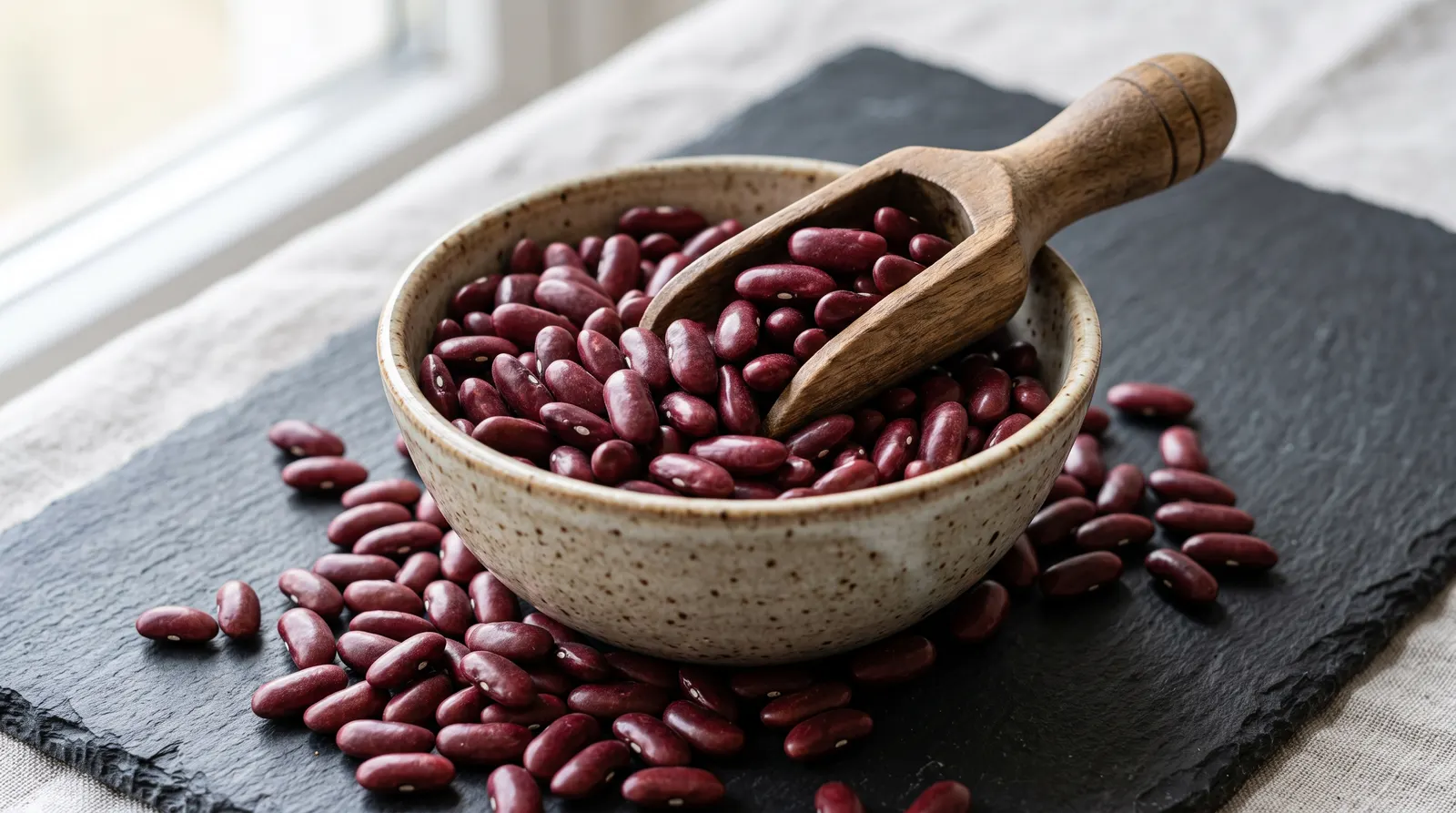
Rajma
Kidney beans in their North Indian and Himalayan role: simmered into a thick onion-tomato gravy and ladled ove…
Rice & Grains
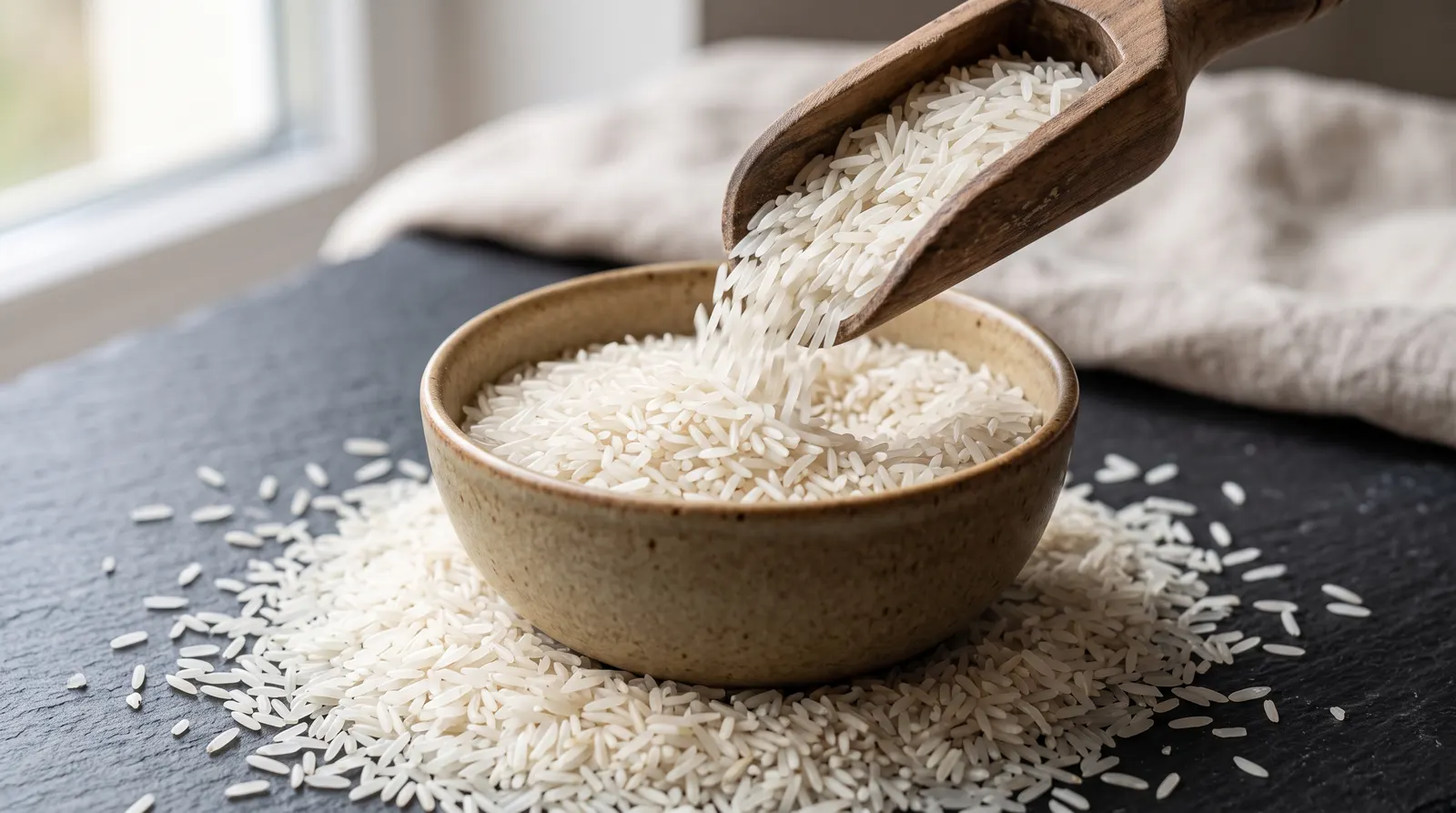
Basmati Rice
The long-grain aromatic rice that defines Indian and much Nepali cooking: dry, separate grains with a floral-n…
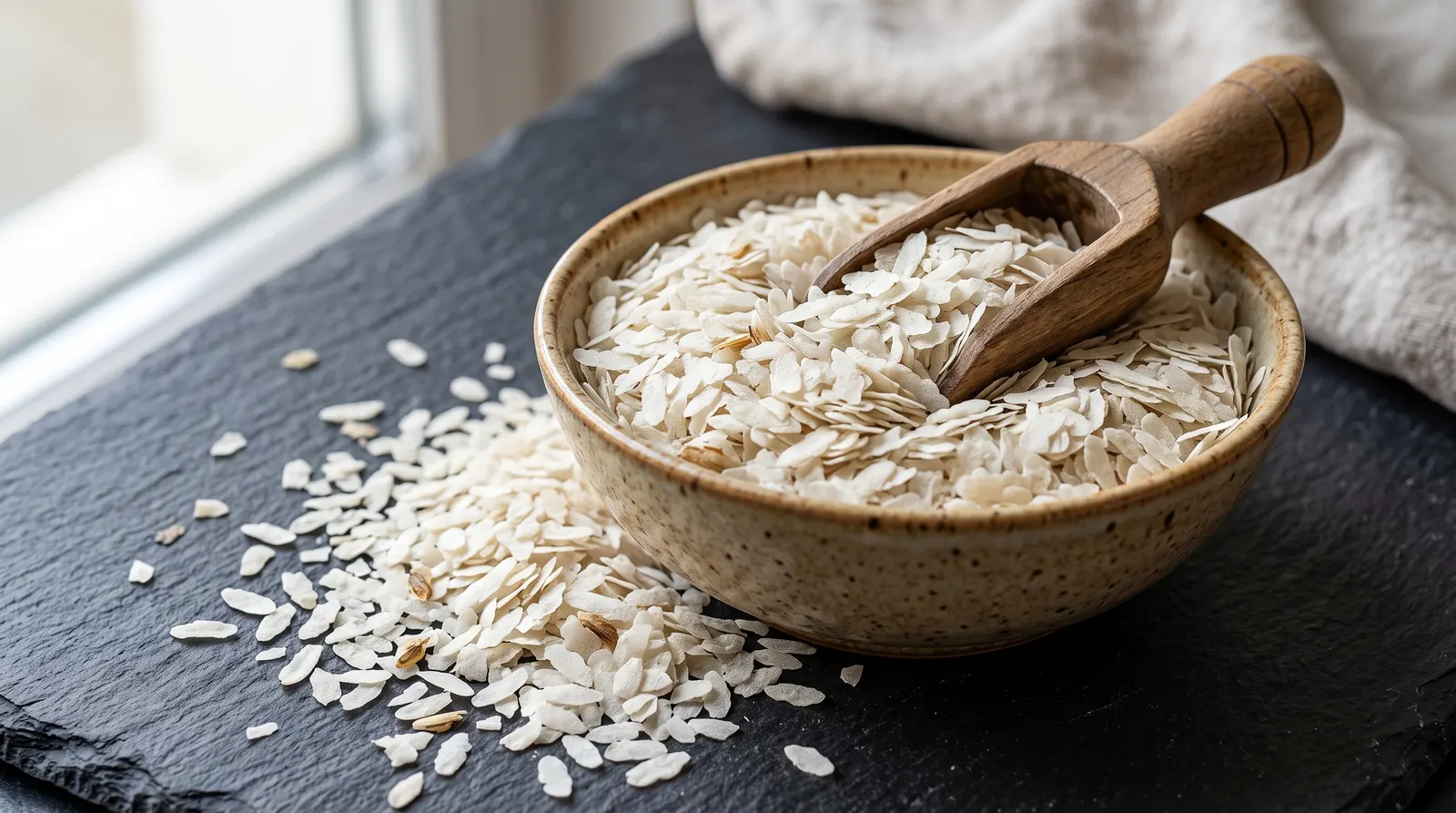
Poha
Flattened rice — paddy steamed and rolled into thin flakes. In India it is the breakfast of a large belt of th…
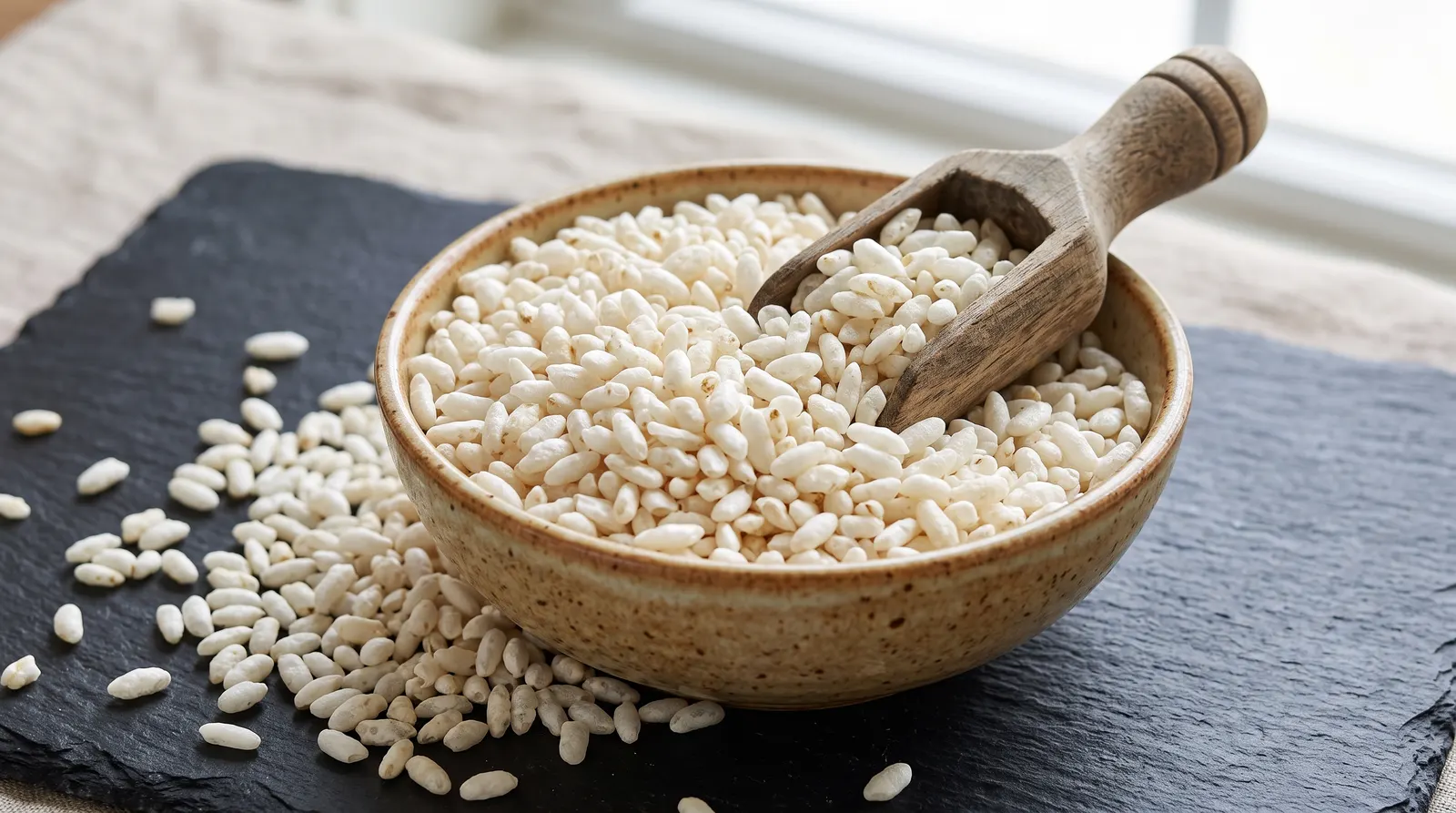
Puffed Rice
Puffed rice — muri to Bengal, kurmura in Maharashtra — the airy street-food base underneath Kolkata's jhal mud…
Flour
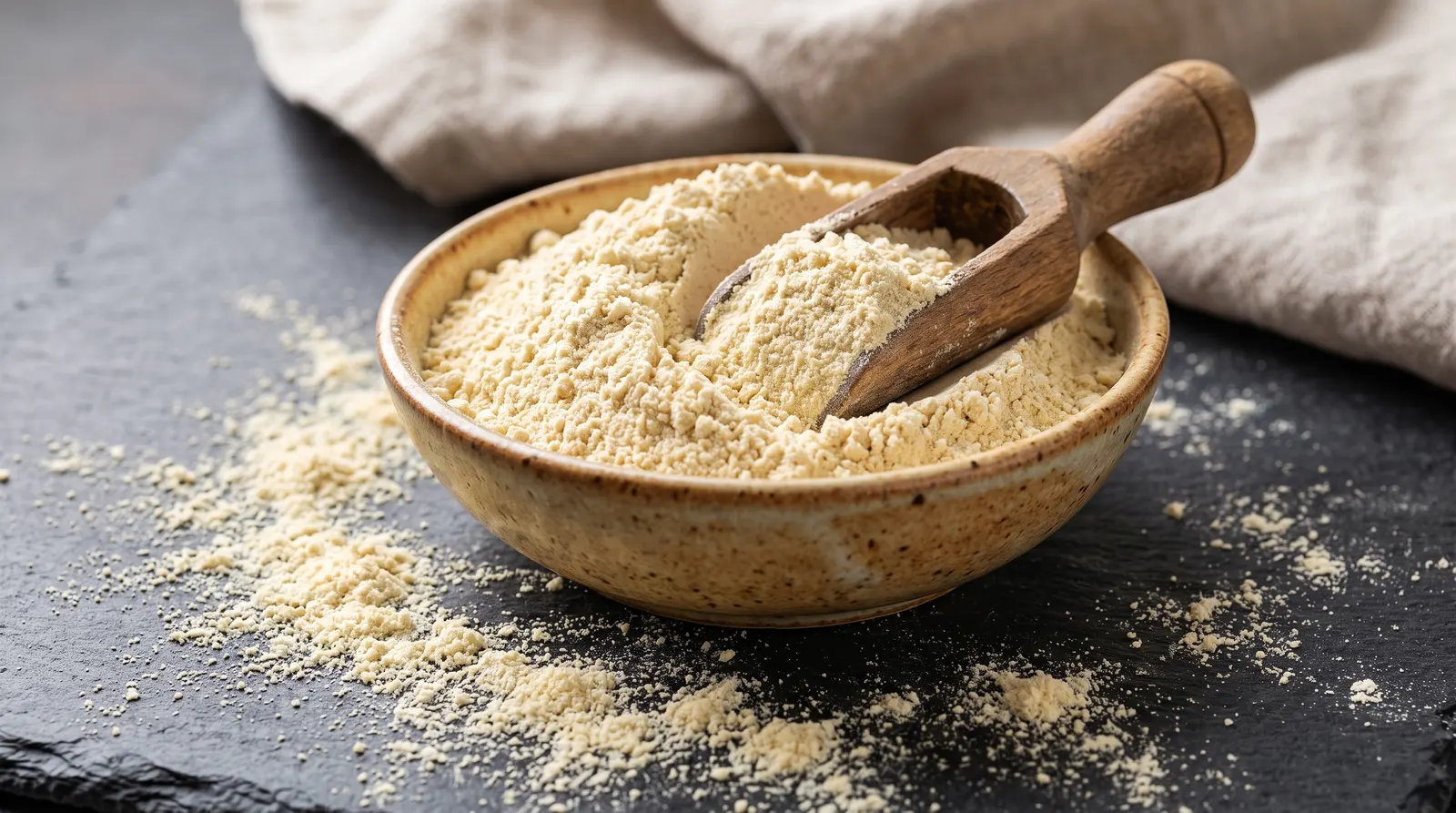
Besan
Gram flour — chana dal milled fine — the flour behind pakora batter, besan chilla and besan laddoo. Naturally …
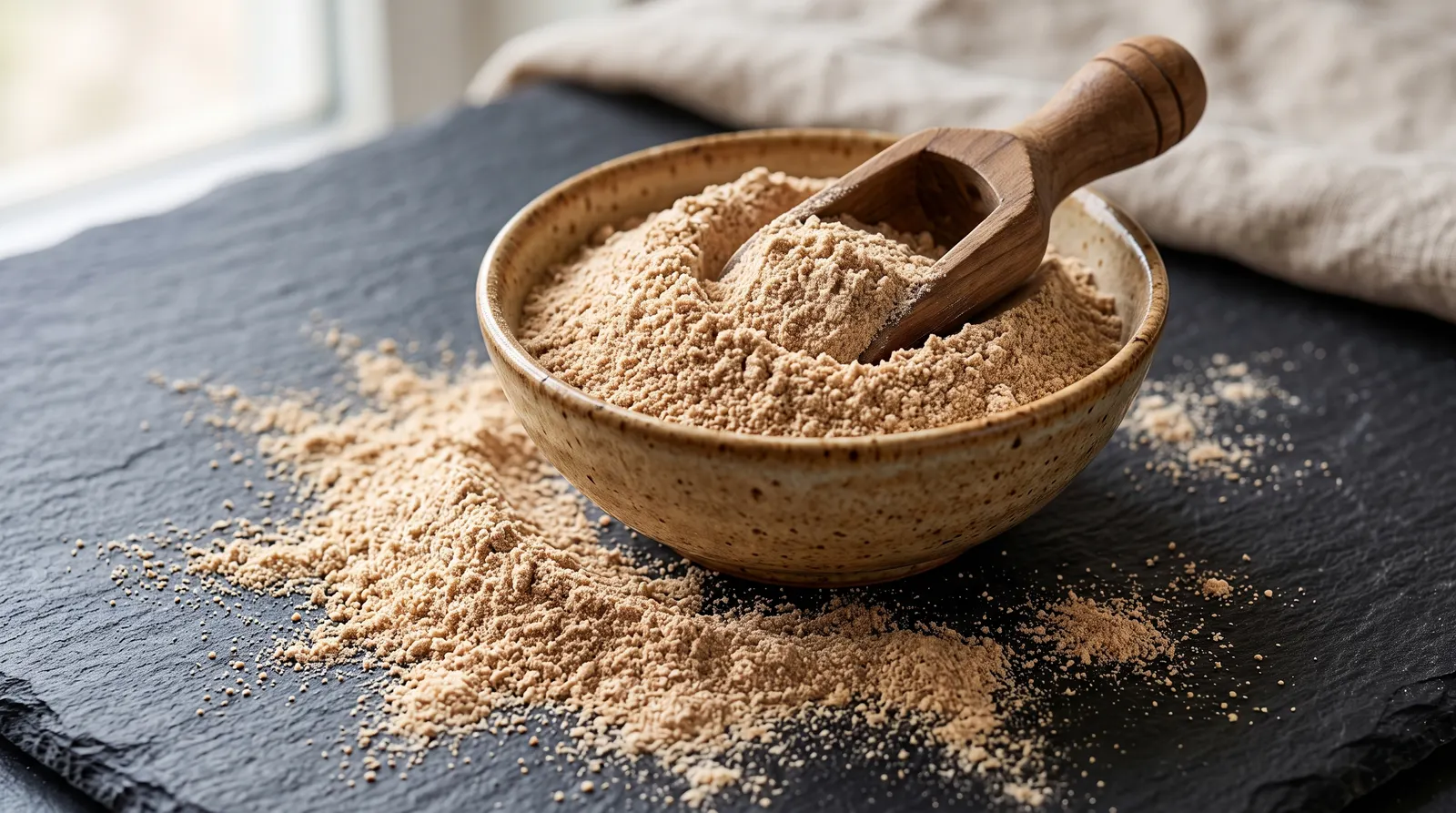
Atta
Whole-wheat flour milled the Indian way — between stone discs that grind the bran fine — and the daily flour b…
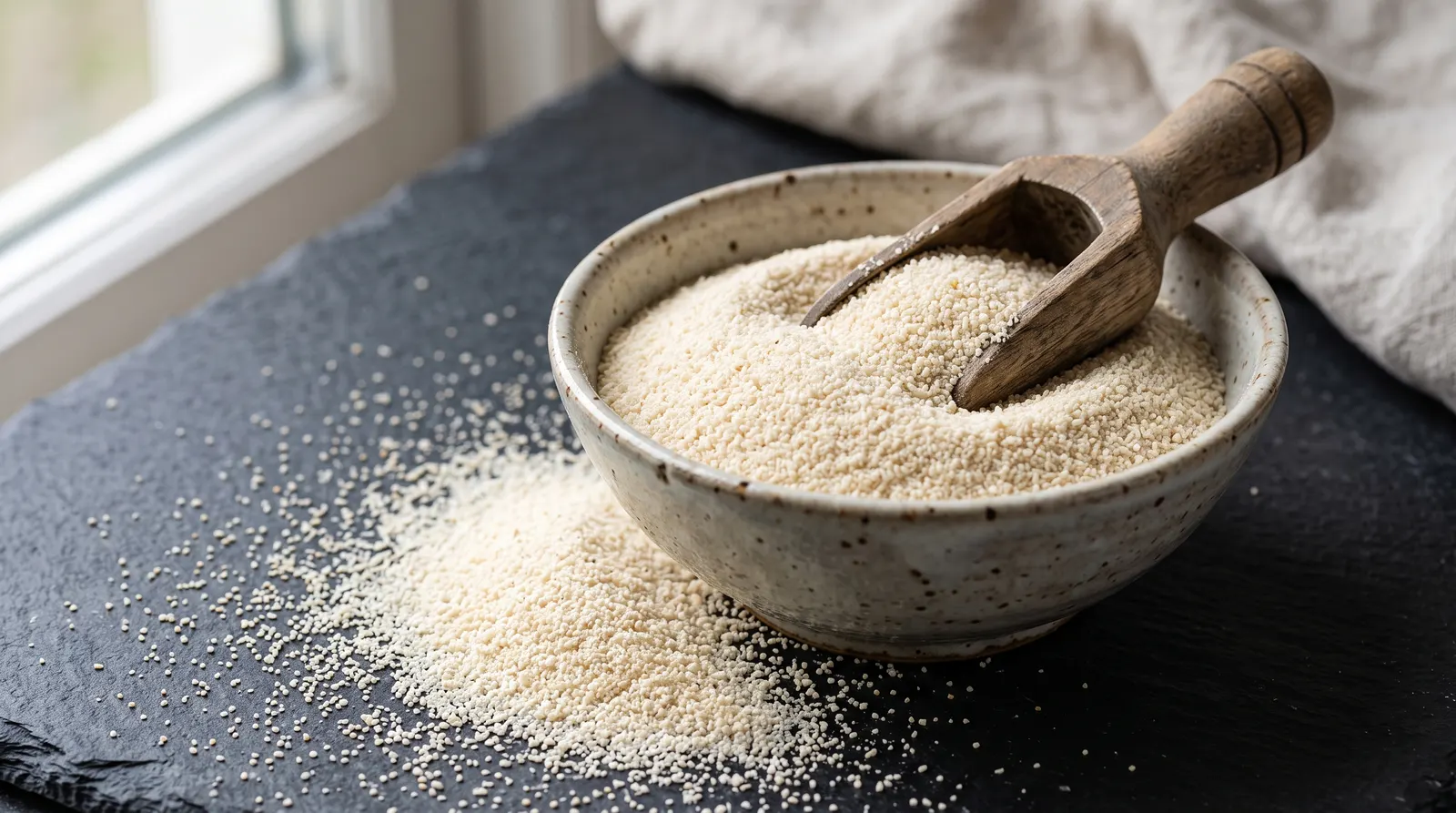
Rava
Semolina — rava or sooji — the wheat middlings that cook into upma in ten minutes and halwa in fifteen. The ba…
Fat & Oil
Sweetener
Pickle & Chutney
Other
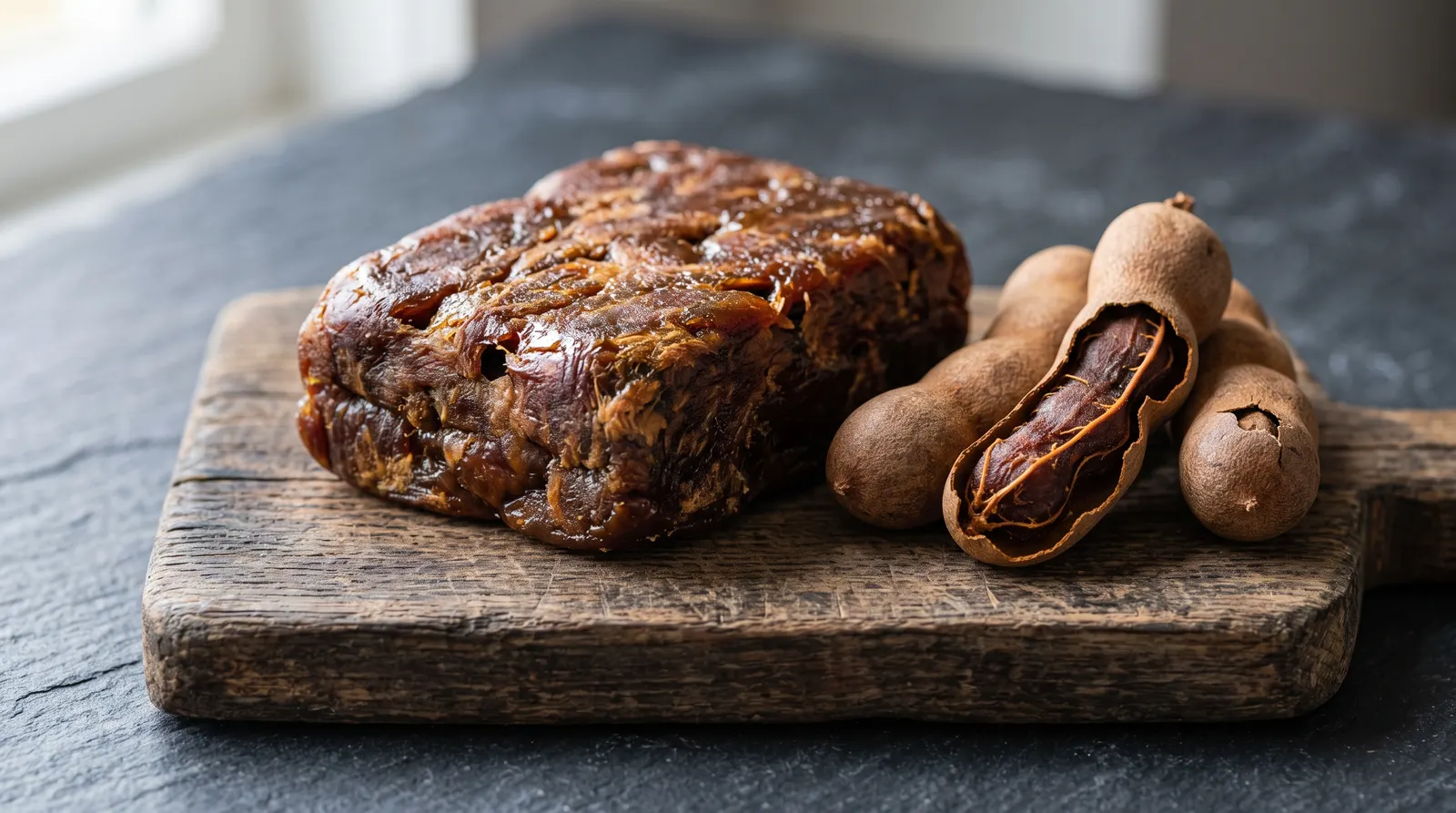
Tamarind
The sour spine of South Indian cooking: the sticky dark pulp of the tamarind pod, behind sambar's tang, most c…
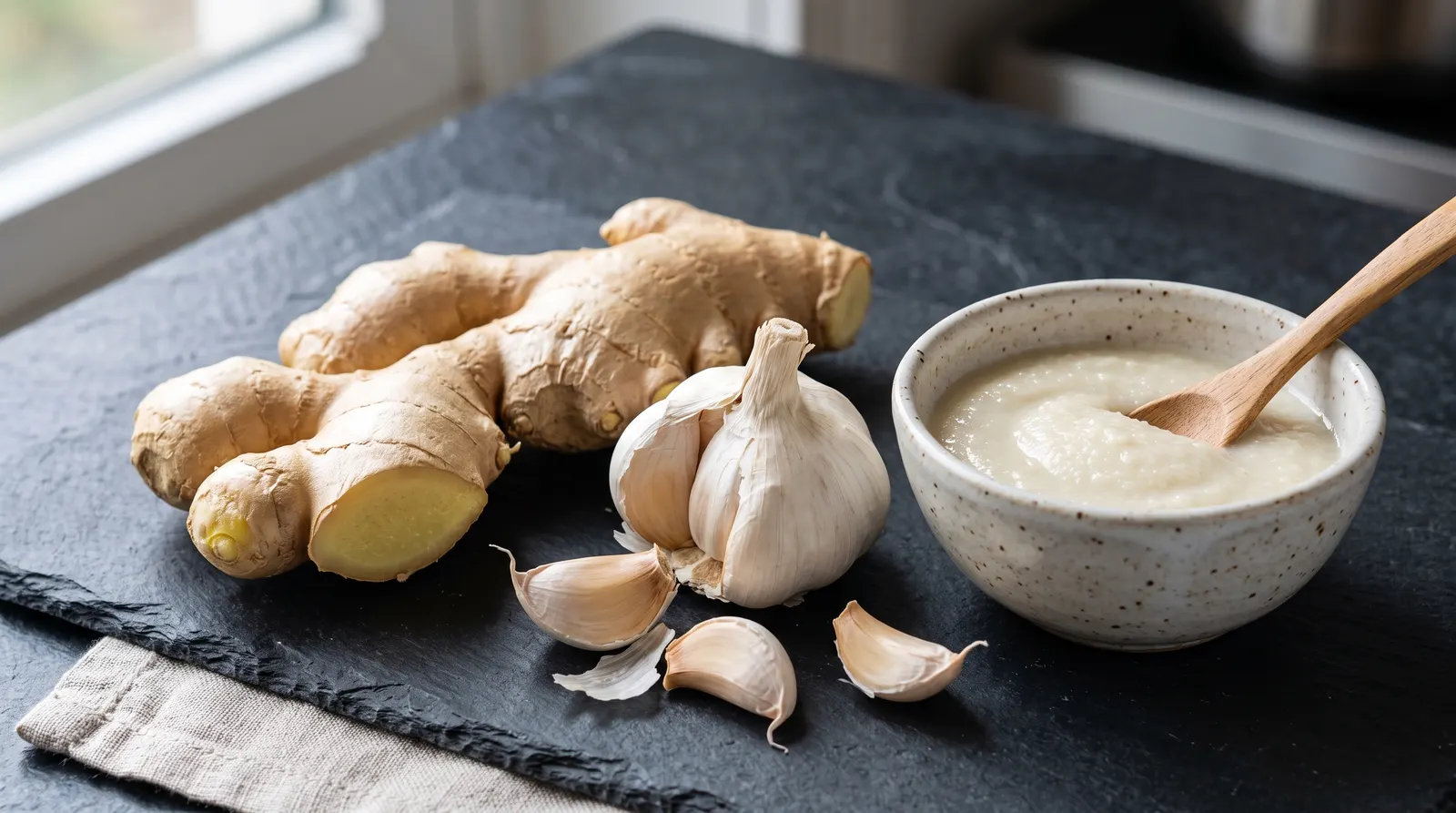
Ginger Garlic Paste
The two-ingredient base paste that starts most restaurant and home curry cooking: fresh ginger and garlic grou…
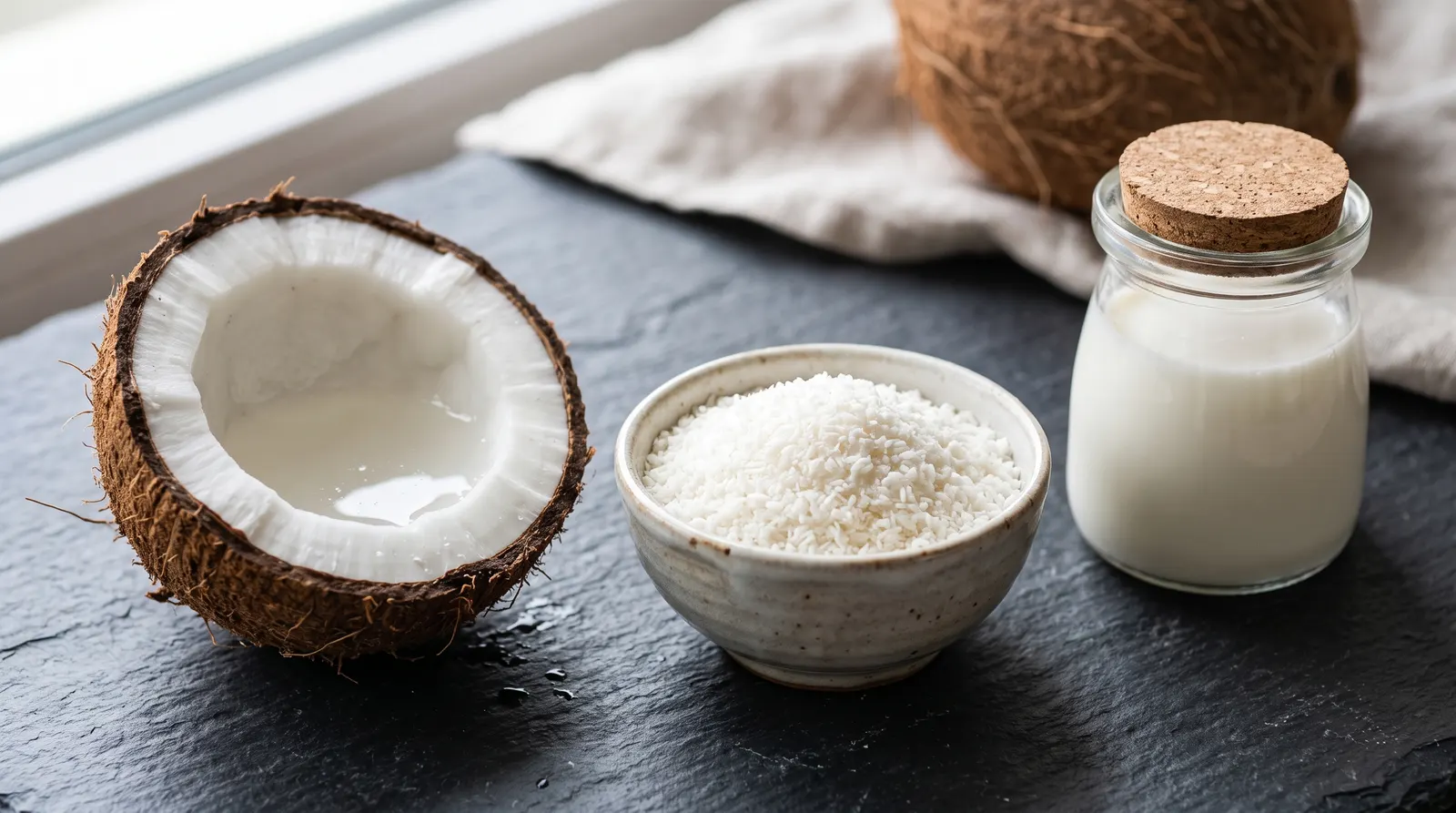
Coconut
Coconut in its shelf forms: desiccated, milk and the fresh nut, doing different jobs in South Indian and coast…
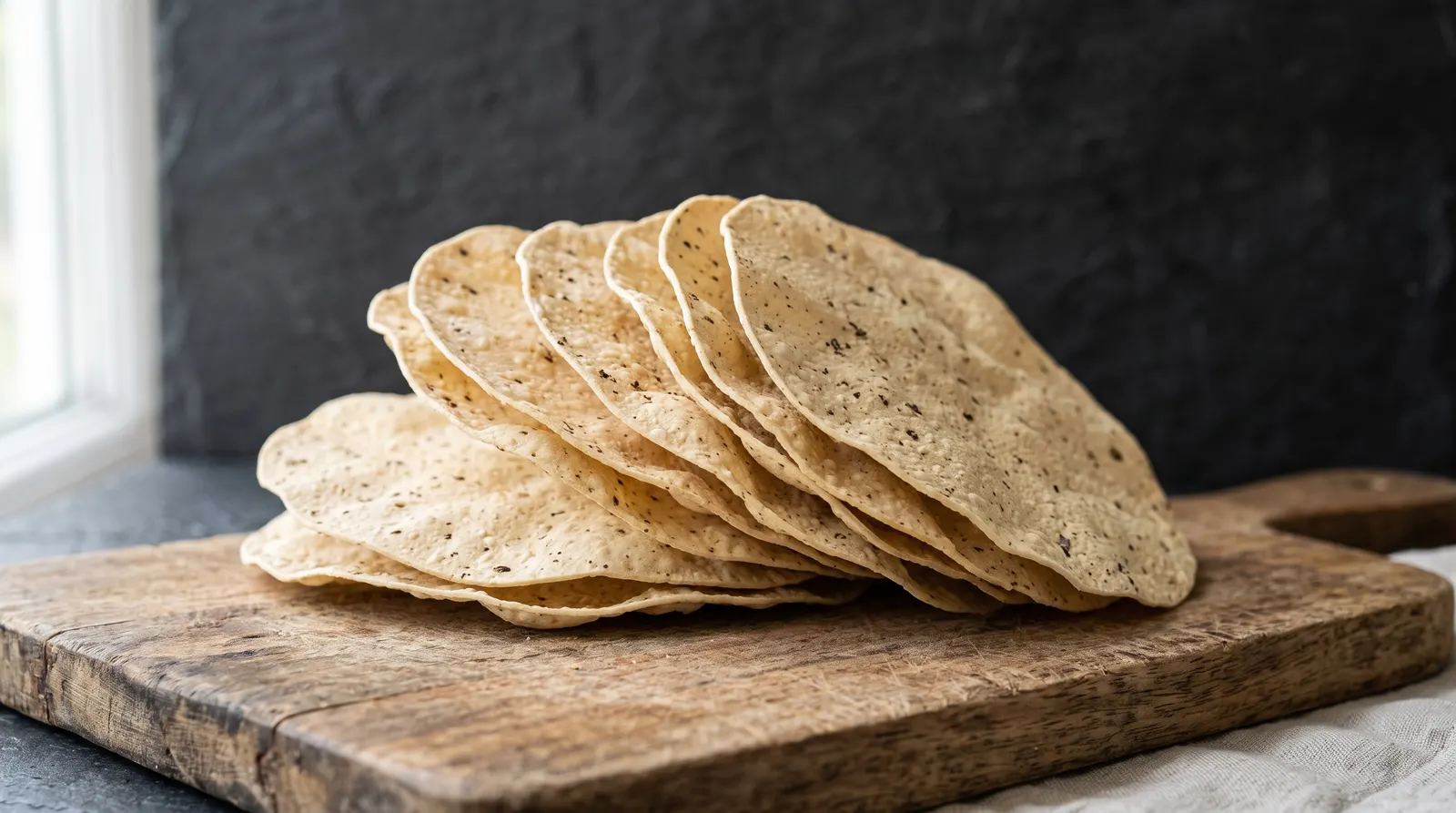
Papad
Thin lentil-flour discs, rolled and sun-dried, cooked in seconds at the table — the crackle that closes a thal…
A South Asian pantry is built from a small number of categories, and once you can recognise them, an unfamiliar shop stops being intimidating. The first is pulses: split and whole lentils, chickpeas, black chickpeas and kidney beans, which supply most of the protein in an everyday meal. The second is grain, above all rice, plus the wheat flours used for bread and the rice and gram flours used for snacks and batters. The third is fat — ghee, mustard oil, groundnut or sunflower oil — which carries flavour and changes the texture of a dish as much as the spices do. The fourth is the sour element: tamarind, dried mango, yoghurt, lemon and the pickles and chutneys made from them.
These categories behave differently in the kitchen, and the guides here are organised around that rather than around an alphabetical list. A dal needs to be understood by variety, because toor, moong, masoor and chana cook at different speeds and turn to different textures. A rice needs to be understood by grain length and age, because the same absorption method that works for basmati will not work for a short-grain rice. A flour needs to be understood by what it is for: atta for roti, maida for naan and pastry, besan for pakora and gram-flour curries, rava for upma and dosa.
Buying is the other half of the problem, especially outside South Asia. An Indian grocer in Japan will carry most of what these guides describe, but the pack sizes, the brands and the freshness vary, and the same English name can cover more than one product. Each entry says what the thing actually is, what forms it is sold in and what to check on the packet, so a substitution is a decision rather than a guess.
Cooking from this pantry is mostly a matter of preparation rather than technique. Soaking, rinsing, drying and tempering do more for the final dish than any clever step later on. The cooking guides take the core techniques step by step; the dish guides show what the ingredients become.