Cooking With Hing (Asafoetida)
Also known as: how to use asafoetida, hing tadka
What this guide solves
How to use asafoetida so it tastes like the savoury back note it is — which form to buy, the exact half-measure that seasons a pot of dal, and the one rule that governs everything: hing meets hot fat first, alone, for seconds.
Where it goes wrong
Hing sprinkled raw on top of finished food tastes acrid and medicinal, so most people conclude they hate it. It is a resin that needs hot fat to transform — the raw smell and the cooked result are two different substances. The name does not help. Asafoetida is also called devil's dung, and an open jar of the raw resin does smell of sulphur and old garlic; nothing about that prepares you for what it does in a hot pan. That is the confusion to get past — the smell of the raw material is not the flavour it gives.
The method
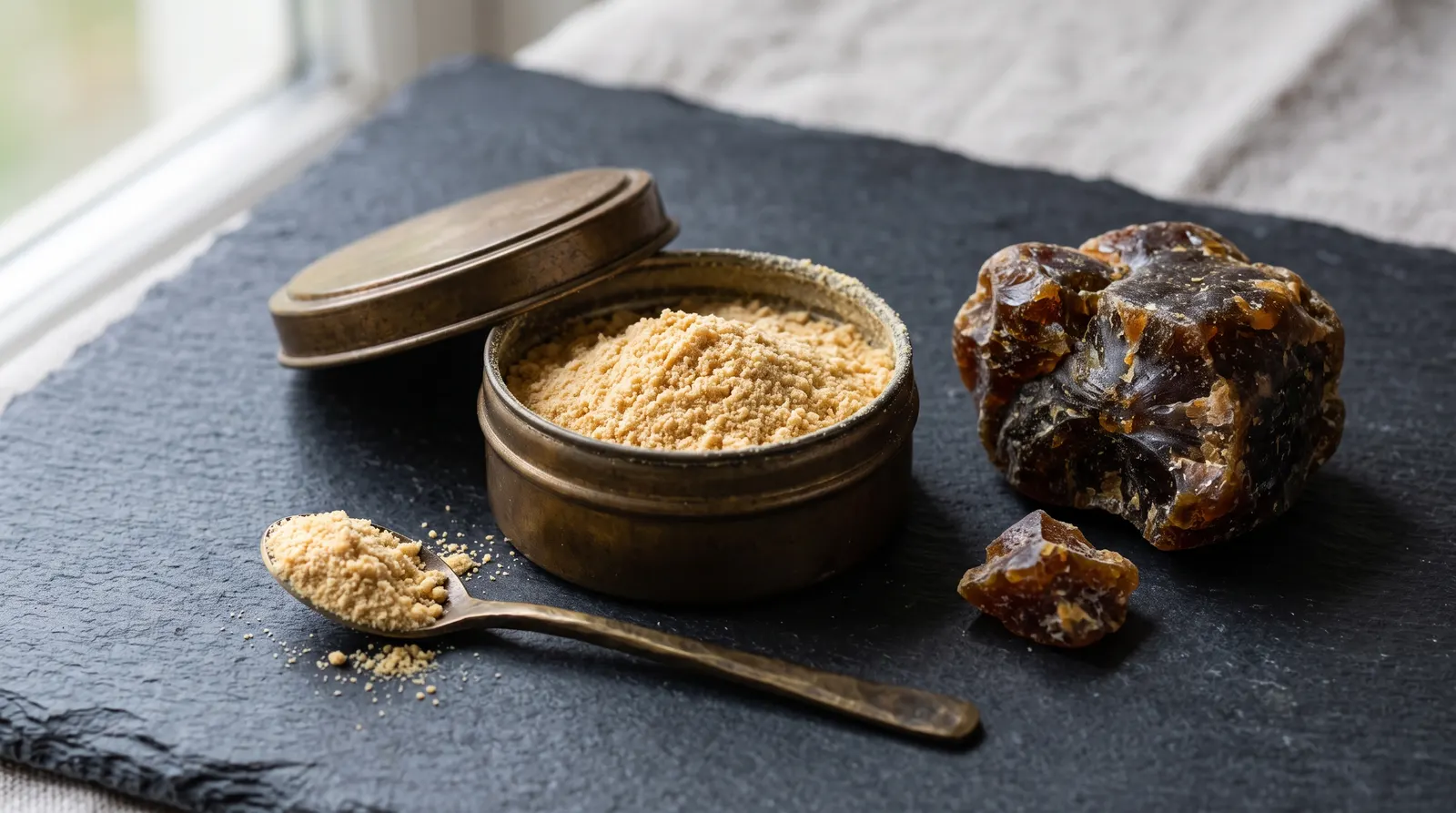
- 1. Buy compounded powder, not pure resin — The yellow-brown powder is resin cut with flour or gum, diluted to a usable strength. Pure resin is for grinding at home with a mortar — powerful and unforgiving, and it will scent the mortar for good. Buy small: 50g of compounded powder is a year's supply for most kitchens.
- 2. Measure small: an eighth to a quarter teaspoon for four — For one pot of dal. Hing is not a spice you adjust upward to taste; double the amount and the dish becomes about the hing. A pinch between finger and thumb is roughly a sixteenth of a teaspoon, which is the right amount for two cups of dal.
- 3. Bloom it in hot fat first, alone — Five to ten seconds in the tadka fat before anything else enters the pan. It foams and mellows — this step is the entire technique. The fat needs to be at the temperature where a cumin seed sizzles and not hotter; hing on its own gives no warning before it turns.
- 4. Immediately follow with onion or the dal liquid — The next ingredient lands within seconds, stopping the hing exactly where you want it — aromatic, not bitter. If you are making a dry dish, have the onion cut and within reach before the hing goes in.
- 5. Never boil it long or add it at the end — Long boiling drives the aroma off entirely. If a dish needs more at the end, make a second small tadka rather than sprinkling the powder.
Pro tips
- Hing is the onion-and-garlic substitute: a pinch in the tadka restores the savoury depth that Jain kitchens, fasting food and the plain dals of the Nepali hills otherwise lose.
- The powder's carrier is usually wheat flour, so gluten-free cooks need to check the brand's label — a few use rice flour instead.
- Beyond dal, hing starts sambar and rasam, kadhi and many bean and potato dishes; the traditional reasoning is partly digestive, since it is believed to ease the effect of beans.
- A jar that has stopped smelling strongly has lost the thing you buy it for. Replace it; the powder should hit you when the lid comes off.
- Keep a separate small spoon for it and never use a wet one. Moisture turns the powder into a sticky lump that will not disperse in fat.
Why it works
Asafoetida is the dried sap of a ferula plant. It is collected as the milky latex that oozes from cuts in the root and hardens to resin; most of the world's supply is harvested in Afghanistan and Iran, and India imports nearly all of what it uses, which is why pure resin is expensive. The smell that gives it its reputation comes from sulphur compounds — the same family of molecules that make garlic smell of garlic. Hot fat changes what is in the air above the pan. The most volatile sulphur compounds are driven off in the first seconds, and what comes forward is the softer, savoury side of the resin — the part the nose reads as cooked onion and garlic. That reading is the point. Hing does not taste of much on its own; what it does is supply the aroma that cooked alliums give off, so a dish with no onion in it still smells as though there were one. This is why the timing is exact. Ten seconds in hot fat is enough to drive off the harsh top notes. A minute drives off everything and leaves a bitter resin behind. Adding it raw at the end skips the change altogether, so you get the sharp sulphur version neat.
If it went wrong
- The powder is sprinkled over the finished dal at the table, and the dish tastes medicinal and metallic. — Raw hing still carries the sharp sulphur compounds, so it cannot be added after cooking.
- A tablespoon goes into a pot of dal on the reasoning that more is better, and the dish tastes of one spice. — Start from a pinch and stop there; if too much is already in the pot, dilute with more dal and water rather than trying to mask it.
- The jar is kept with the other spices, and within a month the whole shelf smells of it. — Double-seal it, the jar inside a second container or a zip bag, and keep it at the back of the shelf away from anything ground.