Indo-Nepali food
The most common restaurant format abroad: a Nepali kitchen cooking a mostly Indian menu, with momo on the side.
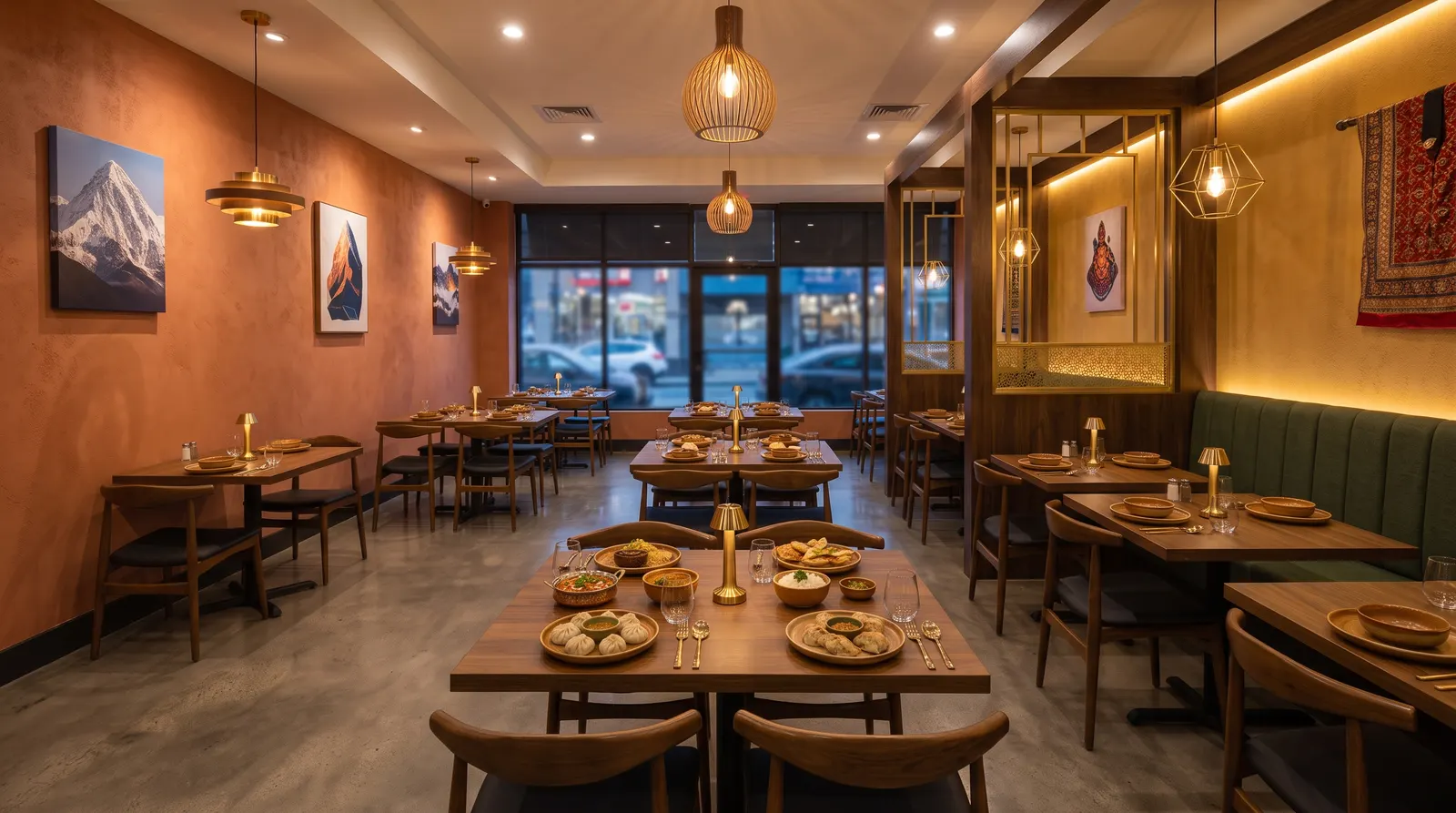
What Indo-Nepali food is
Indo-Nepali is less a culinary tradition than a business reality. Nepali migrants opened kitchens in cities where customers already knew and wanted Indian food, so the menu is largely North Indian with the Nepali dishes the cooks actually grew up on sitting alongside it. The momo are usually the tell, and usually the best thing on the menu.
What defines it
Two menus in one. The curries, naan and biryani follow North Indian technique and are what most customers order. Then there is a shorter Nepali section — momo, thukpa, sometimes dal bhat or sekuwa — cooked with a different hand: more ginger and garlic, less cream, and timur pepper, which gives a faint numbing tingle you will not find in Indian cooking. The Nepali dishes are often cheaper and almost always more interesting.
How a meal works
Order like an Indian meal — shared dishes in the middle, bread and rice for the table — but treat the momo as a starter that arrives first from the steamer. In a busy Indo-Nepali kitchen the momo steamer runs constantly while the curry section works to order, so the timing is naturally staggered whether or not anyone plans it.
If it is your first time
Order momo first, always. Then pick one curry from the Indian side and one Nepali dish if the menu has more than momo — thukpa in winter, dal bhat if you want to understand what the kitchen actually eats. Asking the staff what they cook for themselves is not a rude question here and usually produces the best answer on the menu.
Worth knowing when you order
- The momo are usually the kitchen's own food — start there
- Timur pepper is the numbing note; it means the cook is Nepali, not just the owner
- Set lunches are often the best value, especially in Japan
- Ask what the staff eat — in this format it is a normal question
Dishes to know
Regional variation
In Japan this format dominates: Nepali-run kitchens in Shin-Okubo, Shibuya and across Osaka serve Indian menus to Japanese customers, often with a set-lunch structure borrowed from Japanese restaurants entirely. In the UK the same pattern exists but competes with much older established South Asian restaurant traditions, so the Nepali section tends to be longer and more confident.