Indian and Nepali food in Tokyo
Where the Indian restaurant is usually Nepali-run, and the lunch set is the point.
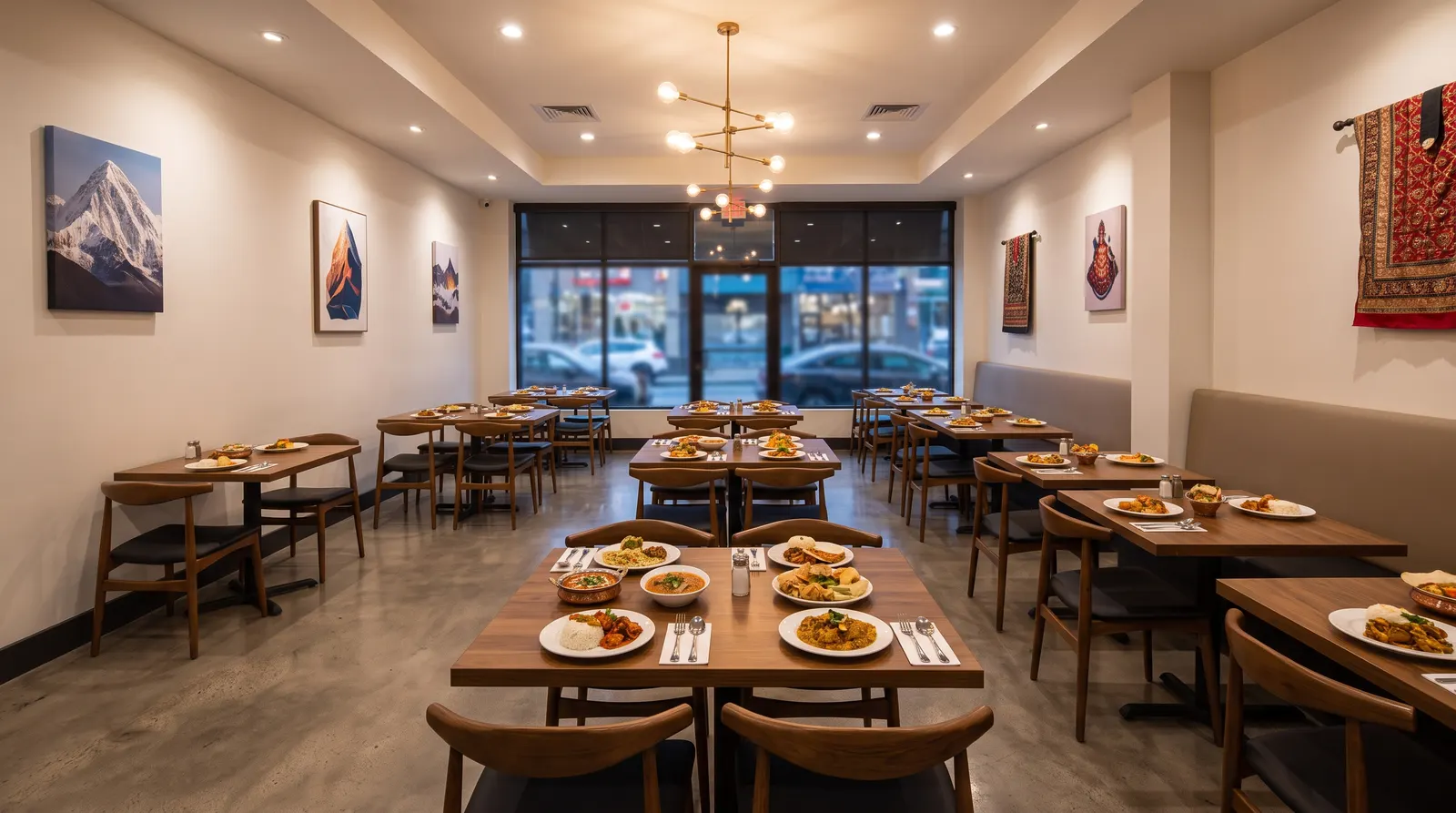
The scene in Tokyo
Tokyo's South Asian food is dominated by a specific format: a Nepali-run kitchen serving a largely North Indian menu, built around a weekday lunch set of curry, enormous naan and a small salad. It is so consistent that it is effectively its own genre. Underneath it sits a smaller, more interesting layer of genuinely Nepali cooking, and a handful of serious regional Indian restaurants.
How it got here
Nepali migration to Japan accelerated from the 1990s and again through the 2000s student and work-visa routes, and restaurant work was one of the accessible paths. Because Japanese customers already recognised Indian food and not Nepali food, the menus that opened were Indian. The result is that a large share of Tokyo's Indian restaurants are run by people from Nepal — visible in the momo on the menu and the timur in the achar.
What to expect
The naan will be far larger and sweeter than anywhere in South Asia — it is adapted to Japanese taste and often includes sugar or milk powder. Curry heat is calibrated low by default and almost every place offers a heat scale. Lunch sets are extremely good value and usually include unlimited naan refills. If you want the food the kitchen actually eats, look past the curry section for momo, thukpa or dal bhat.
Where to eat
- Shin-Okubo — Tokyo's most concentrated South and Southeast Asian food district — the best odds of a real Nepali menu.
- Shibuya — A dense cluster of Indo-Nepali kitchens serving the lunch-set format to office workers.
- Ikebukuro — Strong for both Nepali and regional Chinese; several places carry proper momo and thukpa.
- Nishi-Kasai — Tokyo's actual Indian neighbourhood — a large Indian community, with South Indian cooking and grocers.
- Roppongi — Higher-end and more international; where the serious, expensive regional Indian restaurants sit.
Practical notes
Shin-Okubo is the densest area and the most likely to have genuinely Nepali menus rather than adapted Indian ones. Lunch runs roughly 11:30 to 15:00 and is when the sets are available; dinner is à la carte and noticeably pricier. Many places are on the second or third floor with only a small sign at street level, so the entrance is often easy to walk past.
What is listed in Tokyo
500 restaurants in the directory, by cuisine: