Indian and Nepali food in Dubai
A majority–South Asian city where the best Indian food is usually the cheapest.
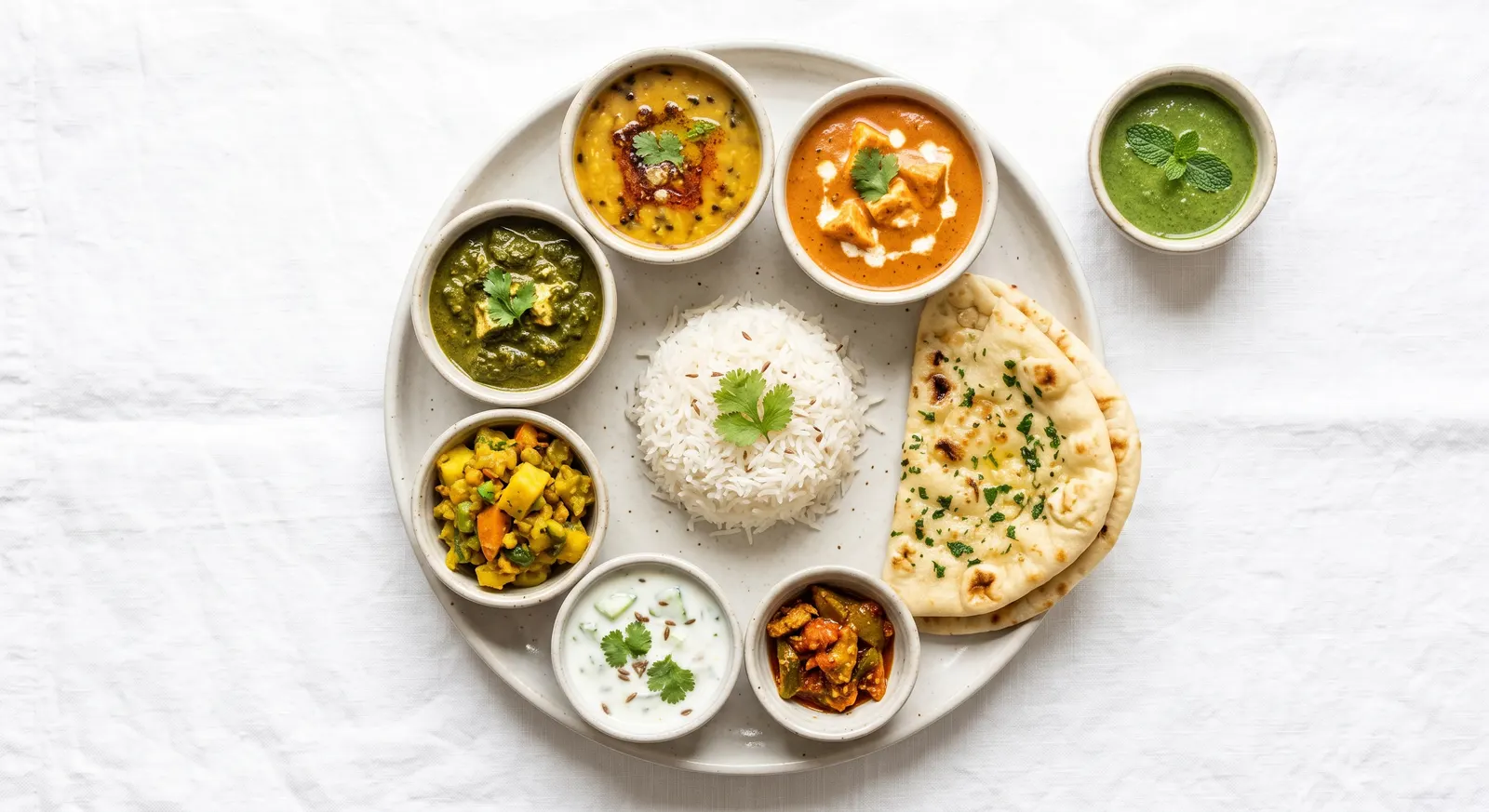
Illustrative dish photo, not a photo of Dubai.
The scene in Dubai
South Asians make up the large majority of Dubai's population, and the food reflects that far more honestly in the cafeterias of Deira and Karama than in the hotel restaurants. Kerala, Tamil and Pakistani cooking are everywhere and inexpensive. The emirate also has a genuine high end, but the everyday food is the reason to eat here. Much of it is specifically Gulf South Asian cooking: Malabari and Tamil Muslim dishes that have been made here long enough to have their own form.
How it got here
Before oil, Dubai was a trading port on the creek, and the trade ran to the Malabar coast: dhows carried timber, spices and rice across the Arabian Sea, and Indian merchants settled in Bur Dubai in the early twentieth century, building the temple and the bazaar that are still there. The food came with the trade long before it came with the labour migration. Labour migration from Kerala, Tamil Nadu, Andhra, Punjab and Pakistan built modern Dubai, and the cafeteria — cheap, fast, open very late — grew to feed it. Nepali migration followed the same routes more recently, and momo now appears across the older districts. The result is a city where regional South Asian food is ordinary rather than exotic. The weather shaped the hours. Work that had to be done outdoors was done early or late, and the cafeteria trade followed it: places that opened at six in the morning for breakfast and stayed open until two, feeding shift workers and drivers.
What to expect
Kerala food is the strongest single thread: parotta, beef fry, fish curry, and appam. Portions are large. Many cafeterias have no pretension and run long hours. The cafeteria format is the key to reading the city. You order at the counter from a board, usually in English, Arabic and Malayalam, pay first or last, and take a table. Karak chai, strong tea with milk and cardamom, comes in a small glass and costs almost nothing. A parotta is made to order and takes four minutes. The menu is short and much the same in a hundred places, which is the point: it is a working kitchen rather than a concept. Portions are built for people doing physical work, so a full plate is genuinely full. Vegetarian food is everywhere and cheap. Alcohol is not served in most of these places and in many it is not permitted at all.
Where to look
- Karama — The most concentrated South Indian and Pakistani eating in the city, at low prices. The streets behind the shopping centre are a grid of cafeterias, parotta counters and juice bars, all within a few minutes of each other, and the area is busy from breakfast until well past midnight.
- Deira — Old Dubai's dense grid of cafeterias, sweet shops and late-night kebab counters. The lanes around Al Rigga and Naif hold the oldest of them, mixed in with the gold and electronics trade, and the food is cheap because it is feeding the people who work in that trade.
- Al Quoz — Industrial, and home to workers' canteens serving some of the most honest Kerala food in the emirate. There is nothing to look at and little to attract a visitor, which is precisely why the cooking has not been adjusted for one: the customers eat here five days a week.
- Bur Dubai — Historic Indian quarter with Gujarati and Sindhi vegetarian cooking alongside the temples. Meena Bazaar is the trading heart of it — saree shops, gold, groceries and sweet counters — and the thali houses set out their steel plates at midday for the shopkeepers and their families.
Where to eat
Kitchen Works
Directory listing — no guide yet
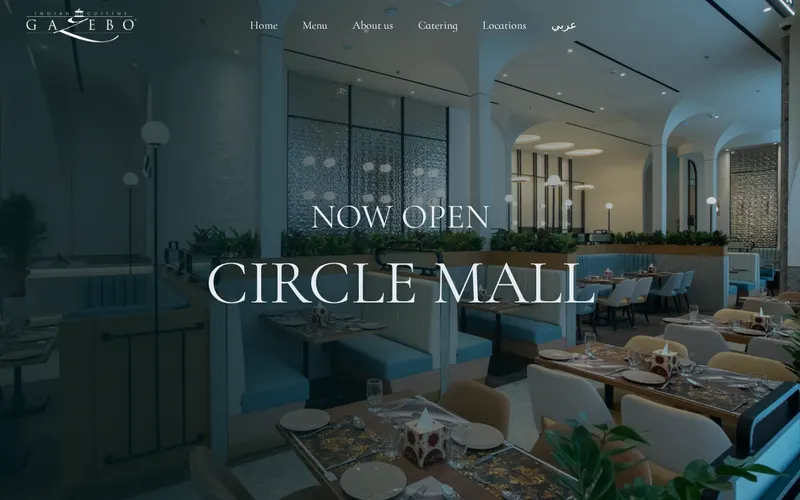
Gazebo
Directory listing — no guide yet
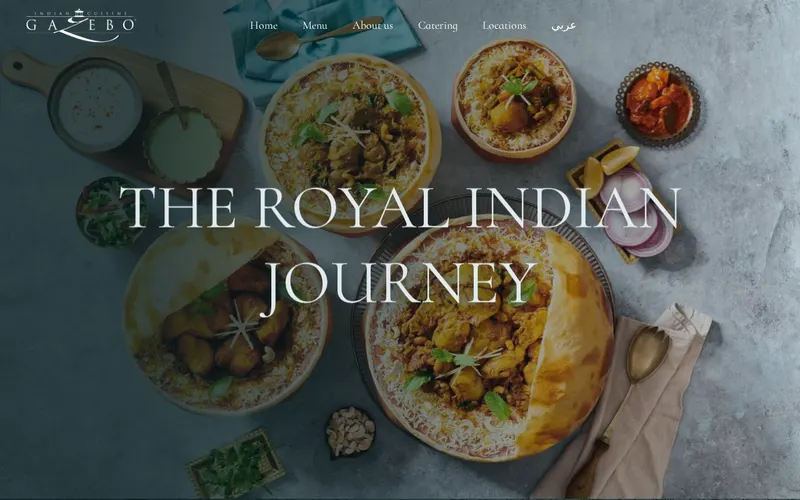
Gazebo
Directory listing — no guide yet
Gazebo
Directory listing — no guide yet
Gazebo
Directory listing — no guide yet

Green Land Restaurant
Directory listing — no guide yet
India Palace
Directory listing — no guide yet
Gazebo
Directory listing — no guide yet
DESI Firangi restaurant
Directory listing — no guide yet

Malgudy
Directory listing — no guide yet
Tunday Kabab
Directory listing — no guide yet

Kashkan by Ranveer Brar
Directory listing — no guide yet
Practical notes
Deira and Karama are where to eat. Many cafeterias deliver at all hours and have done for decades. Cash still helps in the older districts. Friday is the busy day for family meals, so expect queues at the well-known places. Ramadan changes the practical details: eating in public during daylight hours is discouraged and many places are closed, so a visitor should plan around sunset rather than lunch. On Friday, prayers close the shops for an hour around midday and the streets empty. Karama is a short taxi ride from the Burjuman or ADCB metro stations, and Deira is on the Green Line. Prices in the old districts have not caught up with the skyline, so a biryani costs a few dirhams and a full meal rather less than a coffee in a marina café. The city eats late: a restaurant that looks shut at seven may be full at ten.
The food year
The food year is set by Ramadan more than by anything else. For a month the iftar tables of Karama and Deira fill at sunset with dates, sambosa and kanji — the Keralan rice porridge that is eaten at iftar in Malabar — and the streets stay busy past midnight. Eid al-Fitr ends it with three days of family meals. Onam in late August or September is the other big date: Malayali restaurants serve sadya on banana leaves for a week and the queues are long. Vishu in April and Pongal in January are marked in the Tamil and Malayali communities, Diwali is a public holiday and the sweet shops of Bur Dubai do their best trade of the year. The summer from June to September moves everything indoors and later: lunch is a quick cafeteria meal and dinner begins at nine or ten, when the heat has finally broken.
A common mix-up
Visitors assume that eating Indian food in Dubai means a hotel restaurant at hotel prices, booked in advance, with alcohol. The everyday reality is the opposite: a cafeteria in Karama with plastic chairs, a menu on the wall and a full meal, and it is better than most of what the hotel restaurants serve. The second assumption is that 'Indian' is one thing here. Much of it — parotta with beef fry, kanji, karak chai — is cooking that exists in this form nowhere in India.
What is listed in Dubai
202 restaurants in the directory, by cuisine: