Indian and Nepali food in New York
Where the regional map is in Queens, not Manhattan.
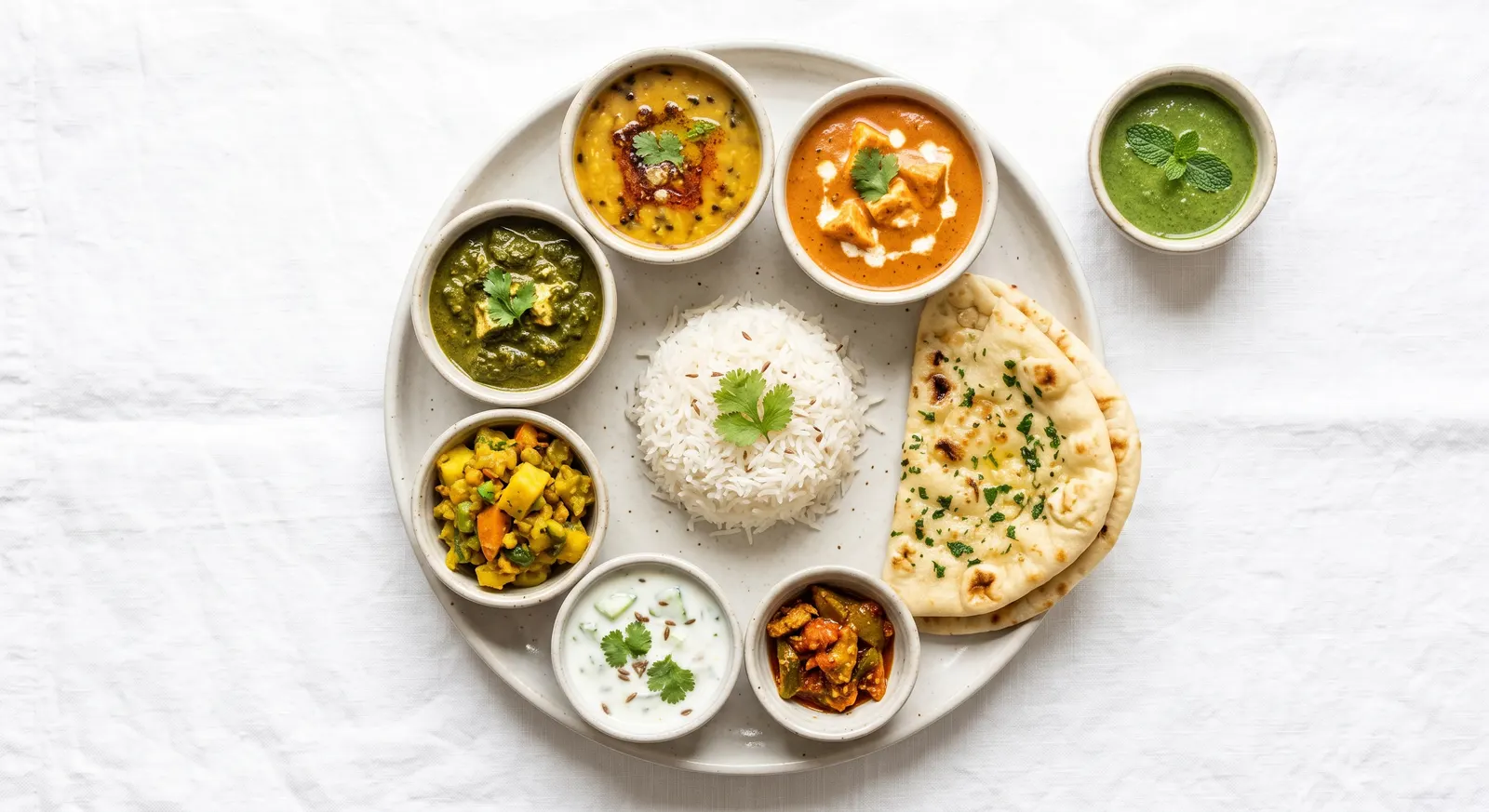
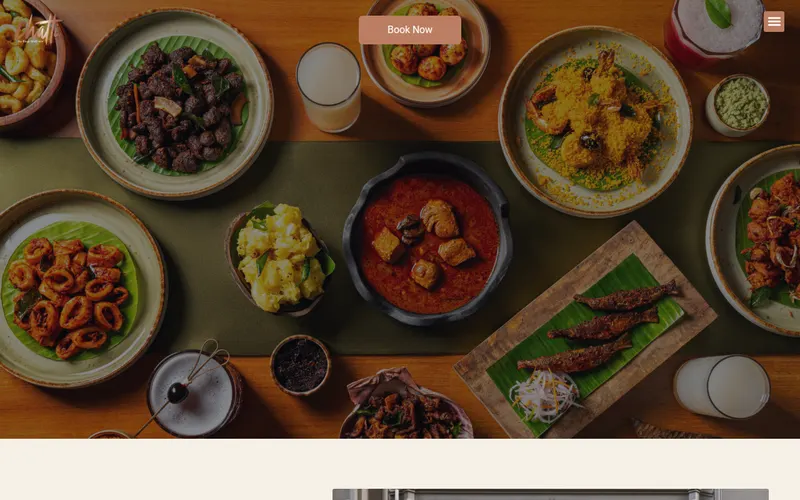
Illustrative dish photo, not a photo of New York.
The scene in New York
New York's South Asian food splits sharply by borough. Manhattan has the expensive modern Indian restaurants and the remains of Curry Hill. Queens has the actual communities — Jackson Heights for North Indian, Bangladeshi and Tibetan, Floral Park and Hicksville for South Indian — and is where the regional cooking is both better and cheaper. The split is not a matter of taste but of rent: the cooking followed the people to where the leases were affordable.
How it got here
The 1965 Immigration Act opened the door and South Asian migration to New York grew steadily from there, concentrating in Queens. Jackson Heights became the commercial centre, later joined by a large Tibetan and Nepali population that gave the neighbourhood one of the densest concentrations of momo shops outside the Himalaya. Curry Hill in Manhattan is older and smaller, built around the Gujarati grocers on Lexington. The neighbourhood grew in layers and each left a menu behind. The first businesses on 74th Street served a mixed Indian and Pakistani clientele; by the 1990s Bangladeshi grocers and restaurants had taken over much of the strip, and in the 2000s Tibetan and Nepali shops arrived on the blocks around it. Another wave arrived without a neighbourhood at all: since the 1990s a large share of the city's taxi drivers have been South Asian, and the halal carts that fed them — chicken over rice, lamb over rice, white sauce and hot sauce — became the most eaten South Asian food in the city by volume. That is the pattern to hold on to: the community's food is where the community works as well as where it lives, and in New York those are rarely the same address.
What to expect
Jackson Heights is the reason to come: Bangladeshi, North Indian, Nepali and Tibetan food within a few blocks, much of it counter service. Manhattan's better Indian restaurants are genuinely good and priced accordingly. Cash is still useful at the smaller Queens places. The counter-service economics is the thing to grasp. A thali in Jackson Heights costs about what a sandwich costs in Manhattan, and the menu is likely to be a steam tray of six curries with rice, roti and a pickle, assembled in front of you. The spice level is not adjusted downward and nobody will warn you, which is part of the pleasure. Queens is also where the Bangladeshi fish cooking is — hilsa in mustard, small fish with aubergine, plain rice — and where the Tibetan and Nepali places two blocks away sell momo by the plate with a chilli sauce hotter than anything on the Indian menus.
Where to look
- Jackson Heights, Queens — The centre of it all. The strip along 74th Street is the commercial spine, but the better eating is often a block back on 37th Road or up on the avenue, where the sweet shops and the fishmongers serve the community rather than the visitor.
- Curry Hill, Manhattan — Lexington Avenue in the high 20s: Gujarati grocers and long-running vegetarian restaurants. The grocers are the real reason to come — fresh curry leaves, atta, Indian vegetables and sweets at prices nothing in Manhattan beats — and the restaurants are the oldest continuous Indian cooking in the city.
- Floral Park and Hicksville — Out on Long Island, the strongest South Indian cooking in the metro area. The strip in Hicksville has dosa houses, sweet shops and groceries that serve a large Malayali and Tamil community, and it is a different food economy from the city: bigger rooms, easier parking, cheaper plates.
- Elmhurst, Queens — Tibetan and Nepali kitchens, with some of the best momo in the city. The blocks around the Broadway stop mix Chinese, Thai and Himalayan food, and the momo shops here are the ones the community eats at rather than the ones written up, which is a useful distinction in this city.
Where to eat
Dera
Directory listing — no guide yet
Annam Brahma
Directory listing — no guide yet
Namaste
Directory listing — no guide yet
Javitri
Directory listing — no guide yet
Saffron Indian Cuisine
Directory listing — no guide yet
Bengal Tiger
Directory listing — no guide yet
Kababish
Directory listing — no guide yet
Chatti
Directory listing — no guide yet
Lungi
Directory listing — no guide yet

Darbar
Directory listing — no guide yet
Bungalow
Directory listing — no guide yet
Mughlai Indian Cuisine
Directory listing — no guide yet
Practical notes
Take the 7 train to 74th Street–Broadway and walk. Many of the best Nepali and Tibetan spots are small, upstairs or behind a grocery, and close earlier than you expect. When to go matters. Weekday lunch is the quietest and cheapest; Saturday evening is a street party, with the pavements full and the sweet shops selling to queues. Several of the smaller places close on Monday. The station sits on the 7, E, F, M and R lines, and the walk from the platform to the food is three minutes, which makes this the most accessible immigrant food district in the city. In Manhattan, Curry Hill runs along Lexington between 26th and 28th Streets and works best as a cheap weekday lunch stop.
The food year
Diwali in October or November is marked across the city, but the Queens version is the one to see: the sweet shops of 74th Street sell boxes by the dozen and the temples on the side streets are busy into the night. The Bengali new year in mid-April, Pohela Boishakh, brings a street fair to Jackson Heights with food stalls along the strip. Ramadan turns the evenings into the busiest of the year, with iftar plates, dates and fried snacks sold from tables outside the restaurants after sunset, and Eid is the biggest day of the year for the Bangladeshi shops. Tibetan Losar in February or March is momo season in Elmhurst, and the Nepali Dashain in October is when the kitchens that normally serve the lunch trade put on the food they cook at home. Thanksgiving has produced a genuine Indian-American hybrid: a turkey rubbed with masala and roasted, served with the usual sides, in a great many households.
A common mix-up
Visitors are told that Curry Hill is where to eat Indian food in New York, and they go there. It is the historical centre, and it is convenient rather than good. The other half of the error is treating 'Indian' as one thing in a city where the Bangladeshi, Nepali, Tibetan and Sri Lankan communities are large and distinct: a request for Indian food may lead to a Pakistani grill, a Bengali fish curry or a plate of momo, and the best of each is on a different block.
What is listed in New York
314 restaurants in the directory, by cuisine: