Indian and Nepali food in Bangalore
A South Indian city that eats everything, where the benchmark is a two-rupee-cheaper idli done better.
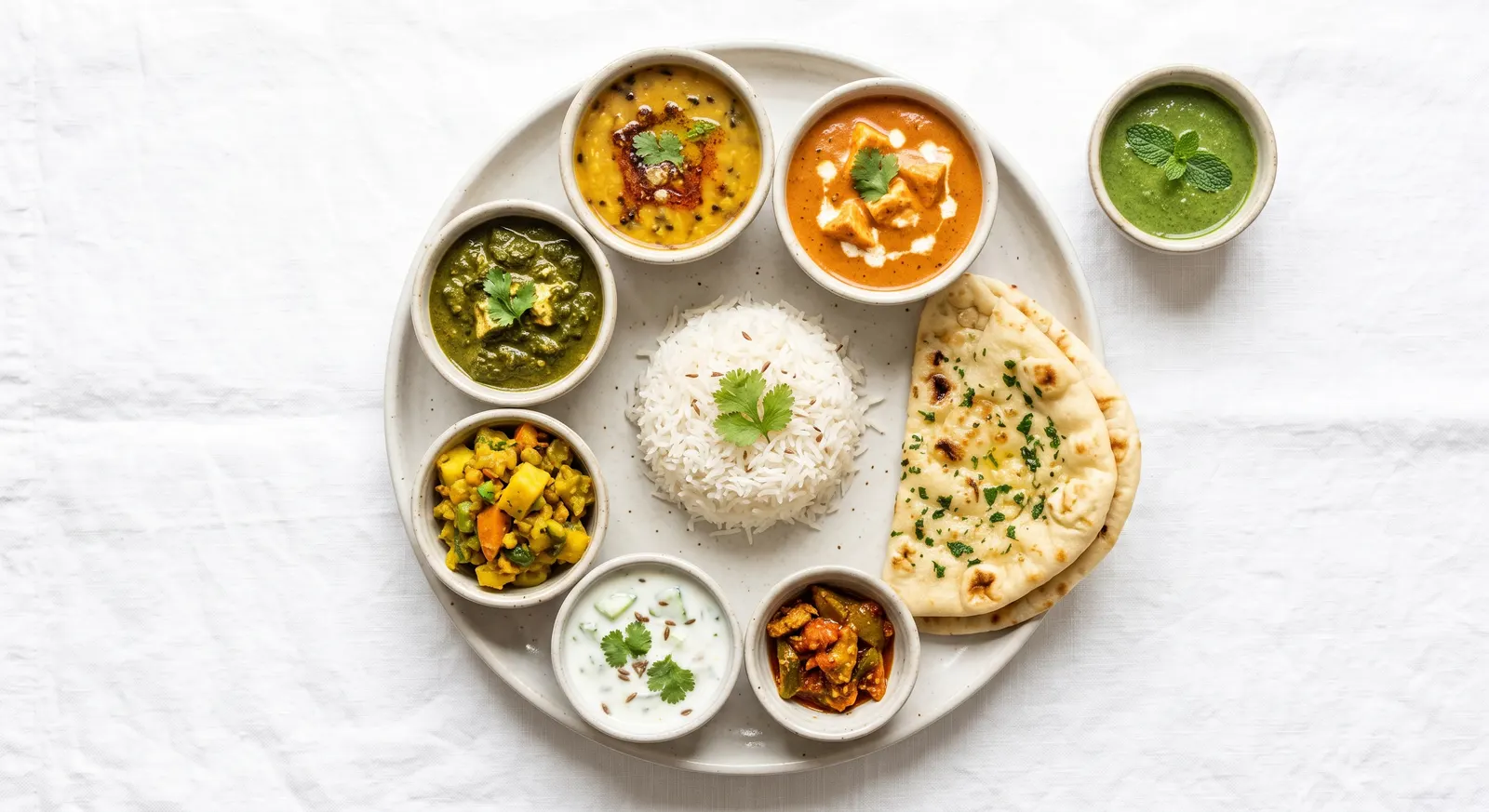
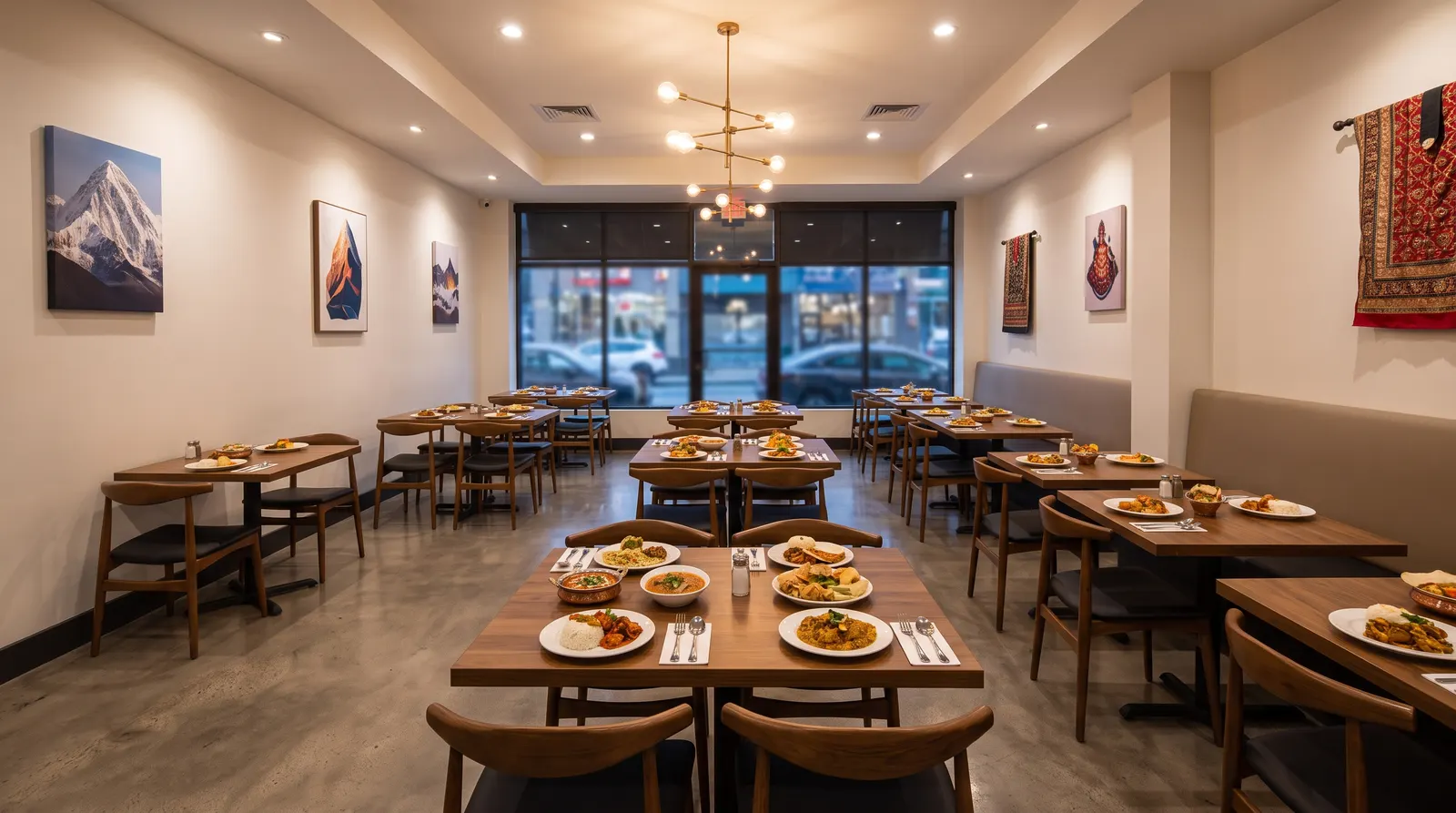
Illustrative dish photo, not a photo of Bangalore.
The scene in Bangalore
Bangalore's food is Karnataka's first — idli, dosa, vada, bisi bele bath — layered with everything the city's migration has brought in: Andhra meals, Kerala kitchens, North Indian chains and a large Nepali and North Eastern presence in its service industry. Unlike most cities in this directory, here South Indian food is the default rather than the specialist option. The city also has two older layers that visitors rarely find on their own: the Muslim cooking of the cantonment bazaars and the Mangalorean and Udupi traditions of the coast.
How it got here
The city was founded in the sixteenth century and grew around a fort and a market; the cantonment the British built to the east became a separate town with its own bazaars, and the two halves only merged into one city in the twentieth century. That split still shows in the food geography: the old city's temples and markets hold the oldest vegetarian cooking, and the cantonment's bazaars hold the oldest Muslim cooking. The old city's Udupi hotels set the template: fast, cheap, vegetarian, standardised, and open from early morning. The format came from the temple towns of coastal Karnataka, where the cooking is strictly vegetarian and the arithmetic of feeding pilgrims cheaply had been worked out over generations. Brought to Bangalore by migrants from that coast, it became the model for the city's everyday eating: a short fixed menu, a kitchen run to a routine, and a price low enough to eat at every day. The IT boom from the 1990s pulled in workers from every state, and the food map followed — Andhra mess halls near the tech corridors, Kerala kitchens for the Malayali population, and North Indian chains for everyone else. Nepali kitchens arrived with the same labour migration and now supply momo across the city. Older than either is the biryani of the old city, sold by shops known as military hotels in cups made from dried areca leaf, for men who had come to the city to work and needed rice and meat at a price.
What to expect
Breakfast is a serious meal and the best one. Darshinis — standing-room-only counters — serve idli, vada and dosa, and the queue moves fast. Filter coffee is the default hot drink and is not negotiable. Portions are smaller and cheaper than a Western visitor expects, so ordering three things is normal rather than greedy. The tiffin list is longer than visitors expect: idli, vada, dosa, masala dosa, rava dosa, set dosa, poori, khara bath, kesari bath, and a plate of each is cheap enough that ordering four is ordinary. Chutney comes with most of it and is usually coconut; the sambar is thin and hot. Coffee arrives in a steel tumbler and davara and is meant to be poured between the two to froth it, which is also how it cools. The 'by-two' habit is worth knowing: in many old cafés you can order one coffee served in two tumblers, which is cheaper than two coffees and is what friends do. Water is brought without asking, and at a darshini nobody brings a menu — you read the board, pay at the counter and stand.
Where to look
- Basavanagudi and Gandhi Bazaar — The old city's classic darshinis and sweet shops — the benchmark for idli and dosa. The bazaar itself is a flower and vegetable market that has been in the same place for generations, and the streets behind it hold the shops that have been frying and steaming since before the tech boom.
- Malleshwaram — Another old Brahmin quarter with long-established vegetarian hotels and filter-coffee institutions. The grid around Sampige Road and 8th Cross is where families have eaten for decades; the sweet shops sell obbattu and holige by the stack, and the coffee is ground and brewed to a routine that has not changed.
- Koramangala — Younger and denser, with everything from Andhra mess halls to Nepali momo counters. It is the part of the city where the tech workforce eats, so the range runs from a twenty-minute thali to a third-wave coffee bar, and the food is open later than in the old quarters.
- Indiranagar — The modern restaurant strip — regional Indian done at higher prices, plus most of the city's international food. It is where a Bangalore family goes for a birthday rather than a Tuesday, and the standard is high enough to be worth the premium if you want a sit-down meal with a licence.
- Shivajinagar — Muslim-run kebab and biryani cooking, busiest in the evening. The market streets are dense with grill smoke and shops selling nothing but one dish, and the older biryani tradition of the city survives here.
- VV Puram — The old food street, known locally as Thindi Beedi, a single lane of stalls selling dosa, idli, akki rotti, holige and sweets, all within a few dozen metres. It is an evening walk rather than a restaurant, and the queue at each stall tells you which dish it is known for.
Where to eat
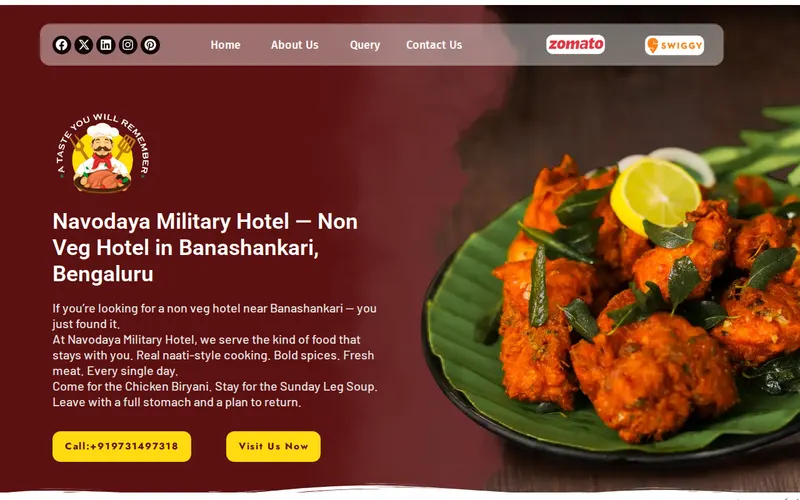
Navodaya Military Hotel
Directory listing — no guide yet

Samosa Party
Directory listing — no guide yet
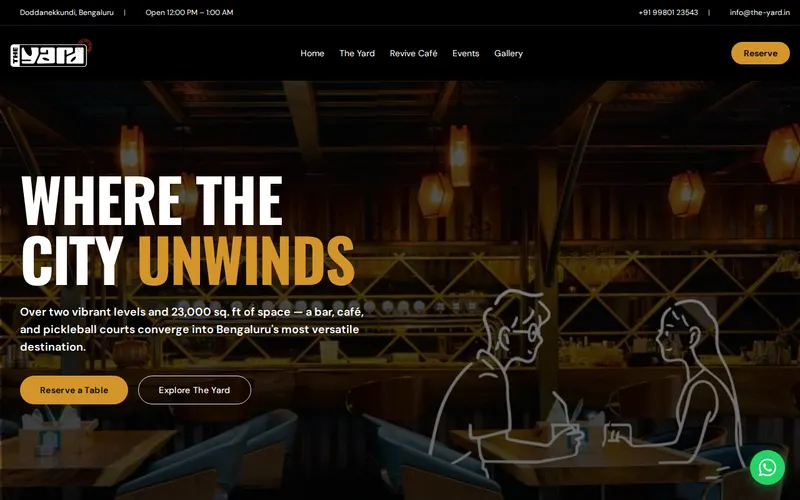
The Yard, Whitefield
Directory listing — no guide yet
Garden By Su
Directory listing — no guide yet
Nandhini Delux
Directory listing — no guide yet
Bamey's Gastro Bar
Directory listing — no guide yet
The Kadubu Canteen
Directory listing — no guide yet
Ambala Cantt- Cloud Kitchen
Directory listing — no guide yet
SpiceKlub - Jayanagar
Directory listing — no guide yet
Herbs & Spices
Directory listing — no guide yet
Paakashala Heritage
Directory listing — no guide yet
Bangalore Thindies
Directory listing — no guide yet
Practical notes
Eat breakfast early — the good darshinis are busiest and freshest before 09:00. The rhythm is earlier than most visitors expect. Breakfast from 07:00, lunch from noon and largely finished by 14:30, dinner from 19:30. Many of the best places are cash-only or take UPI phone payments, and tipping is not a custom. Sunday changes everything. The old-city sweet shops have queues, the biryani places in Shivajinagar sell out by mid-afternoon, and the temples are busiest before ten in the morning. If a place advertises 'meals', it is a lunch-only thali and the rice is unlimited until the pot runs out, which it does. Between four and six in the afternoon the city stops for coffee and a fried snack, and the shops that do only that are worth taking seriously.
The food year
Ugadi, the Kannada new year in March or April, sets the tone: the day's dish is a pachadi of neem, jaggery, tamarind and raw mango, eaten first thing so that the year begins with all the tastes at once, and the sweet shops sell it alongside obbattu. Karaga, in March or April, is the old city's great festival, a procession from the Dharmaraya Swamy temple through Tigalarapet, and the streets around it fill with stalls for the night. Kadalekai Parishe, the groundnut fair at the Bull Temple in Basavanagudi, comes in late November or early December: two days when the year's first groundnuts are sold roasted and salted from cones along the road. Deepavali empties the offices and fills the sweet shops. Ramadan makes Shivajinagar the place to be after sunset, with haleem and kebabs sold from stalls that exist for a month. Onam brings sadya to the Kerala restaurants in early September, and the monsoon from June to September moves people towards bajji, bonda and hot coffee rather than cold drinks.
A common mix-up
Visitors arrive with a picture of South Indian food drawn from the idli and dosa they have eaten abroad, treat it as a snack, and go looking for a proper dinner somewhere else. In Bangalore the tiffin is the meal: two idlis and a vada with coconut chutney at eight in the morning is breakfast, and a meals thali at one in the afternoon is lunch, and both are the local register rather than a tourist version of it. The second error is assuming the city is vegetarian because its famous food is. A large part of Bangalore's eating is Muslim, and Mangalorean and Keralan cooking is everywhere. The third is expecting the food to be mild. An Andhra restaurant in the tech corridors is genuinely hot, and a Kolhapuri or Chettinad dish on a menu is a warning rather than a description.
What is listed in Bangalore
498 restaurants in the directory, by cuisine: