Indian and Nepali food in Berlin
Plentiful and cheap, but read the sign carefully — many 'Indian' kitchens here are not.
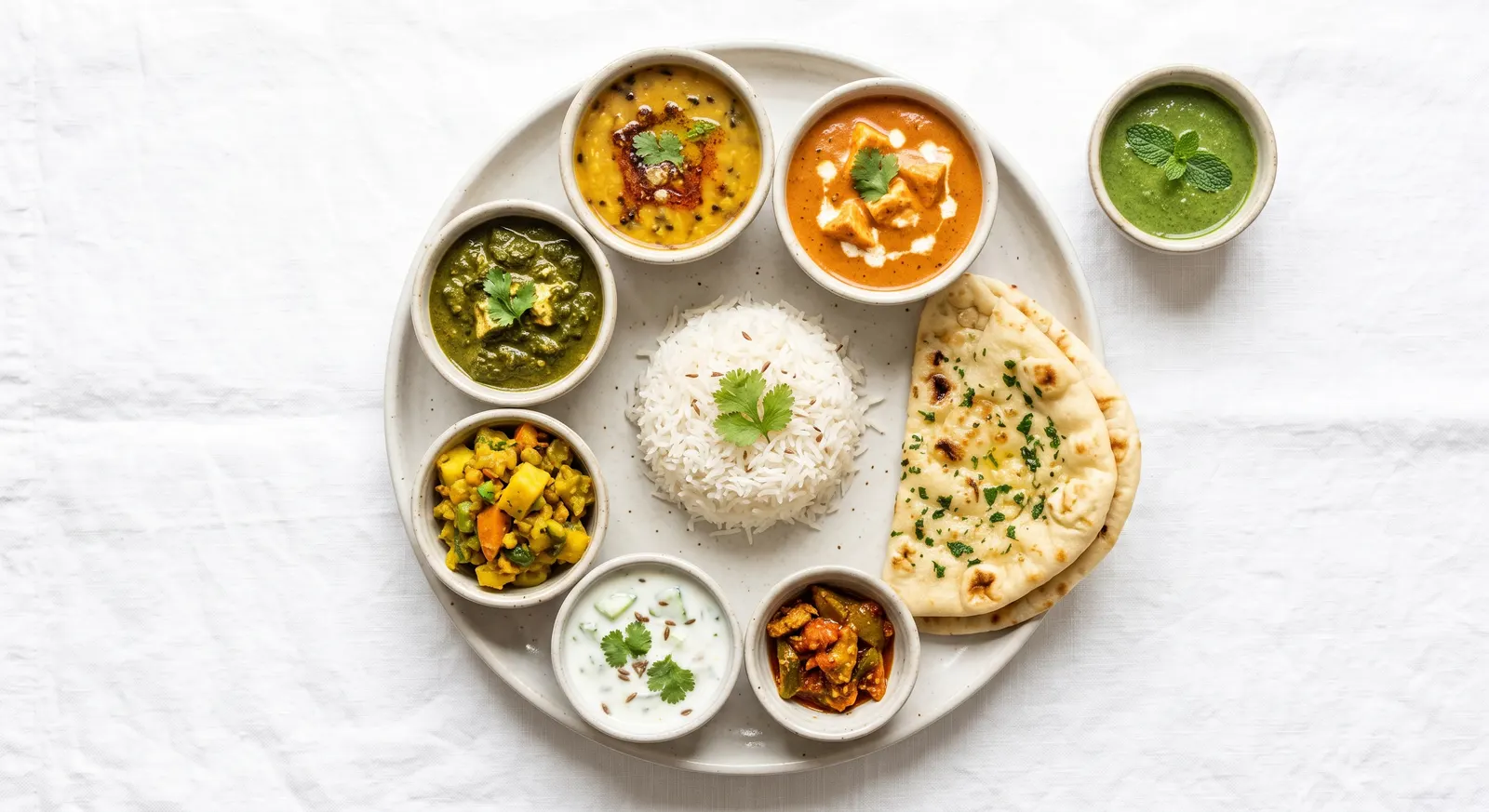
Illustrative dish photo, not a photo of Berlin.
The scene in Berlin
Berlin has a lot of Indian restaurants and a specific quirk: a large share are run by Pakistani, Bangladeshi or Nepali owners cooking a generalised North Indian menu adapted to German taste, often heavily sweetened and very mild by default. There is genuinely good food here, but it takes more filtering than in London or New York. The filtering is not difficult once you know what to look for: the smaller section of the menu, the room's other customers, and whether the kitchen has a dish it cares about.
How it got here
South Asian migration to Germany was smaller and later than to Britain, and much of Berlin's restaurant trade grew from the 1990s onward rather than from a large settled community. That is why the food adapted so far towards local expectations — there was less of a home audience holding it in place. Nepali migration has since added a distinct layer, and momo are now easy to find. Germany's South Asian population is dispersed, so Berlin never grew an equivalent of Southall or Jackson Heights. The restaurants were businesses first and community institutions second, and the menus were built for takeaway as much as for eating in. The city's own food culture did the rest. Berlin already had a curry of its own, in the form of currywurst, so a German customer arrived with a fixed idea of what the word meant and how hot it should be. An Indian restaurant here did not have to be authentic; it had to be familiar, and much of the time it was both.
What to expect
Portions are large and prices low by Western European standards. The menu tells you less than the room does. A kitchen run by a Punjabi family from Pakistan will often have nihari or haleem at the weekend, listed in small type; a Nepali kitchen will have momo and thukpa; a Bangladeshi one will have fish curry. If the menu is a photocopied page with a laminated photo section, the photo section is the tourist-facing half and the rest is what the kitchen cooks. German service conventions apply: drinks are ordered first, tap water is not brought unless asked for, and paying separately at the end is normal. The Mittagsmenü — usually a curry, rice and a drink — is the best value cooked meal in the city, and it is served in the middle of the day, when the kitchen is least busy and most careful.
Where to look
- Kreuzberg — The densest and most varied stretch, and where the better Nepali kitchens cluster. The streets between Kottbusser Tor and Görlitzer Park hold most of it, in a district that has been the first stop for every immigrant group in the city for fifty years, which is why the food is cheap and unshowy.
- Neukölln — Cheaper and less polished, with a strong late-night trade. The northern end around Hermannplatz is the busiest, and the Pakistani and Bangladeshi places here keep longer hours than their equivalents across the canal, serving the drivers, kitchen staff and students who eat at midnight.
- Charlottenburg — Older, more settled restaurants aimed at a West Berlin clientele. The rooms are bigger, the menus longer and the cooking more conservative — cream, almonds and mild spice — but it is where the oldest of the city's Indian restaurants are, and the service is more formal than in the east.
- Prenzlauer Berg — More expensive and more adapted to local taste; good for a sit-down meal, less so for authenticity. The customers are families and the menu is built around them, so the food is mild, the portions are for sharing and the wine list is longer than the spice shelf.
Where to eat
Nila
Directory listing — no guide yet

Kailash Parbat
Directory listing — no guide yet
Red Chillies
Directory listing — no guide yet
Kibo
Directory listing — no guide yet
Anjappar
Directory listing — no guide yet
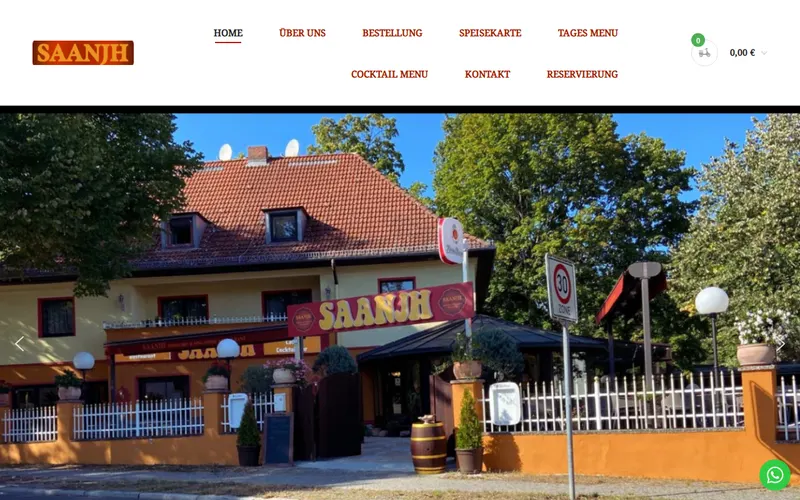
Saanjh
Directory listing — no guide yet
Mr. Chai Wala
Directory listing — no guide yet
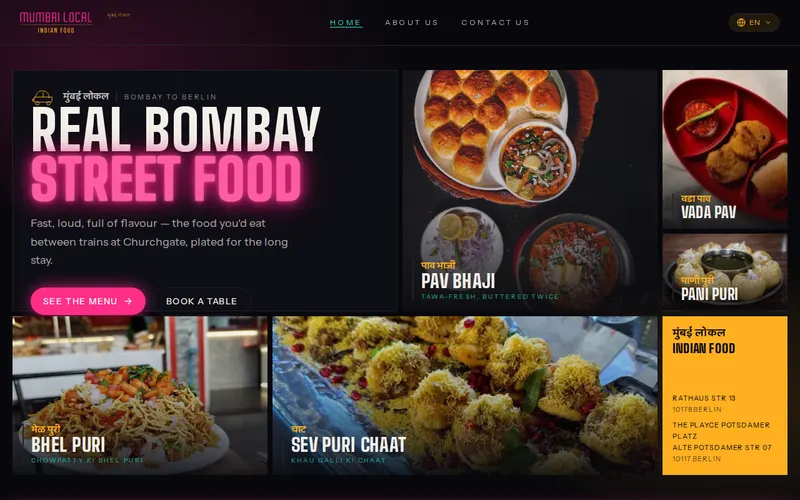
Mumbai Local
Directory listing — no guide yet
The Indique
Directory listing — no guide yet
Anappurna
Directory listing — no guide yet
Dana Pani
Directory listing — no guide yet

Dastoor
Directory listing — no guide yet
Practical notes
German shopping law closes most shops on Sunday, and many restaurants close on Monday to compensate, so a Sunday evening in Kreuzberg has fewer options than a Tuesday one. Cash is preferred below about twenty euros. Tipping is by rounding up or adding five to ten per cent, said aloud as you pay rather than left on the table. Kreuzberg and Neukölln are a few stops apart on the U8. The good places are small and fill after eight, so booking is worth it on a Friday and pointless at lunch.
The food year
The city's food year is European first and South Asian second. Karneval der Kulturen at Pentecost in May takes over Kreuzberg for a long weekend with food stalls from every community in the district, and the first of May brings an open-air street festival in the same few streets. Ramadan is the biggest South Asian date in Berlin: the Pakistani places of Neukölln serve iftar in the evening, the bakeries sell for the whole month, and Eid is a family day of bookings. Diwali is marked in the Indian restaurants and by the community associations rather than in public. The Christmas markets from late November run through December and put food stalls on every square. German winter — long, dark and cold — pushes the eating indoors and towards soups and one-pot dishes, which both cuisines do well.
A common mix-up
Visitors read 'Indisch' on a sign and expect an Indian kitchen, or read it and expect the worst. Neither is reliable. The mistake is not eating there — it is ordering what the menu is designed to sell and concluding that the cooking is bad. Order what the kitchen would eat: a dal, a whole fish, a plate of momo. The second mistake is expecting the heat to arrive as asked. Ask for scharf and you will get mild; ask twice, and mean it, and you may get closer.
What is listed in Berlin
276 restaurants in the directory, by cuisine: