Indian and Nepali food in Melbourne
A suburban story: the Indian food is where the community lives, from Dandenong out to Wyndham and Casey.
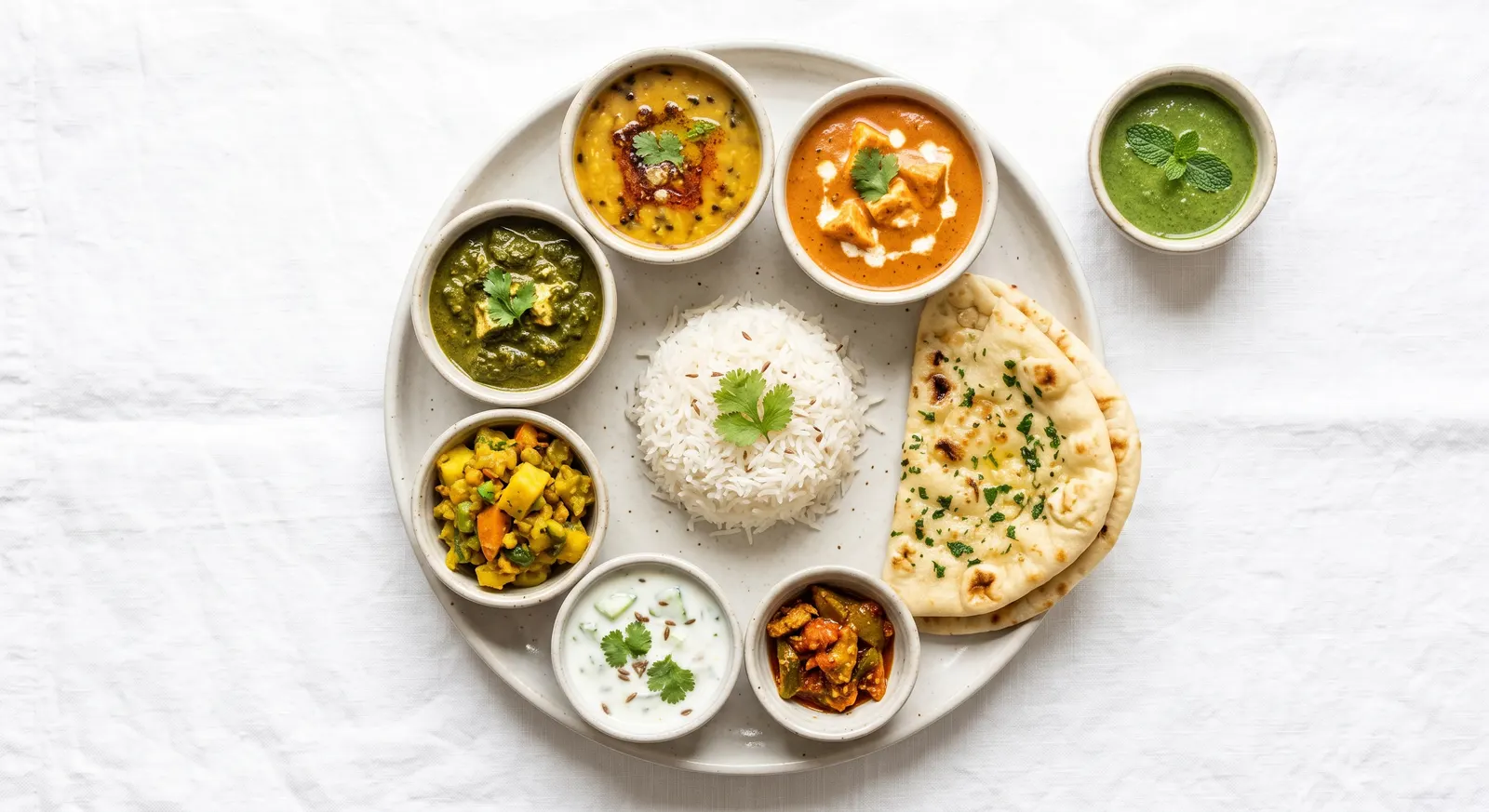
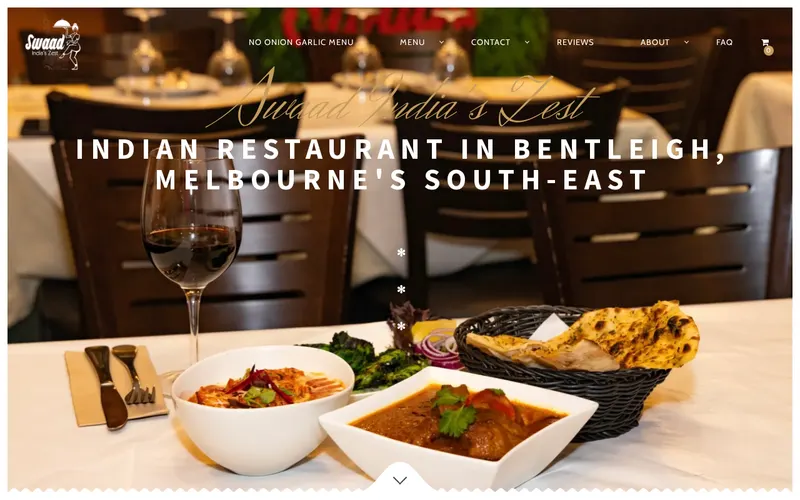
Illustrative dish photo, not a photo of Melbourne.
The scene in Melbourne
Melbourne's Indian community lives mainly in the south-eastern and north-western suburbs, and the food follows it: restaurants, groceries, sweet shops and clothing stores serve each suburb's own population. Dandenong has Victoria's recognised Little India precinct, Footscray mixes Indian grocers with other cuisines, and the central city has student-oriented restaurants and dhabas.
How it got here
Indians came to Victoria in the 19th century as labourers, traders and hawkers, but the White Australia policy kept numbers low until immigration rules changed in the late 1960s. A second wave of skilled migrants arrived in the 1980s and 1990s, and from the late 1990s large numbers of Indian students came to Victorian universities. In 2021, 55.3 per cent of Victoria's Indian community had arrived between 2011 and 2021. An Indian retail cluster began to form in Dandenong's Foster Street in 1990.
What to expect
The community is diverse. Victorian profiles list Punjabi, Gujarati, Tamil, Telugu, Malayalam, Bengali, Marathi, Sindhi and Parsi ancestries, and Hinduism and Sikhism are the two largest religions among India-born residents, so regional cooking and vegetarian menus are well represented. Student dhabas in the central city are built for budgets. Because the community is spread across suburbs, you will usually be eating in a shopping strip rather than in one concentrated district.
Where to look
- Dandenong — Foster and Mason Streets form Victoria's recognised Little India precinct, with eateries, groceries and fashion shops.
- Footscray — Indian grocers sit alongside the market's butchers, fishmongers and other food stores, in a mixed food area rather than an Indian one.
- Wyndham and Casey — The two council areas with the most residents of Indian ancestry in 2021, so the suburban shopping strips there serve a large local community.
- Central Melbourne — Student-oriented Indian restaurants and dhabas, built around the large number of Indian students in Victoria.
Where to eat

Practical notes
Dandenong's Little India precinct is centred on Foster and Mason Streets and has 33 businesses in the precinct, 62 in central Dandenong, mixing eateries, groceries and fashion. The suburbs with the most people of Indian ancestry in 2021 were Wyndham, Casey, Whittlesea and Hume, so those are good places to look beyond the centre. Check opening hours locally, as shops vary.
What is listed in Melbourne
208 restaurants in the directory, by cuisine: