Indian and Nepali food in Mumbai
A city of communities, where the Irani café, the Udupi hotel and the Koli fishing village all count as local food.
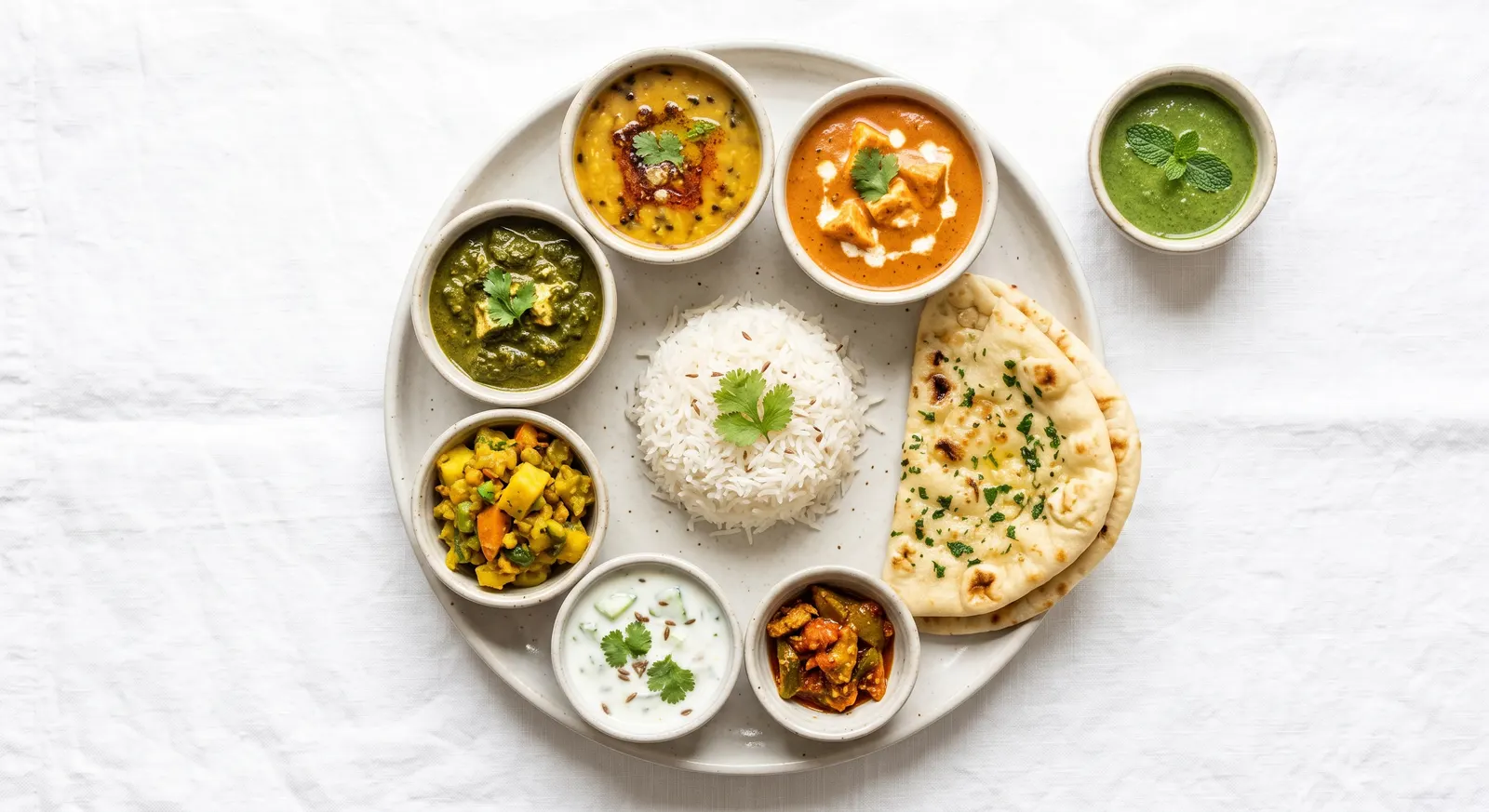
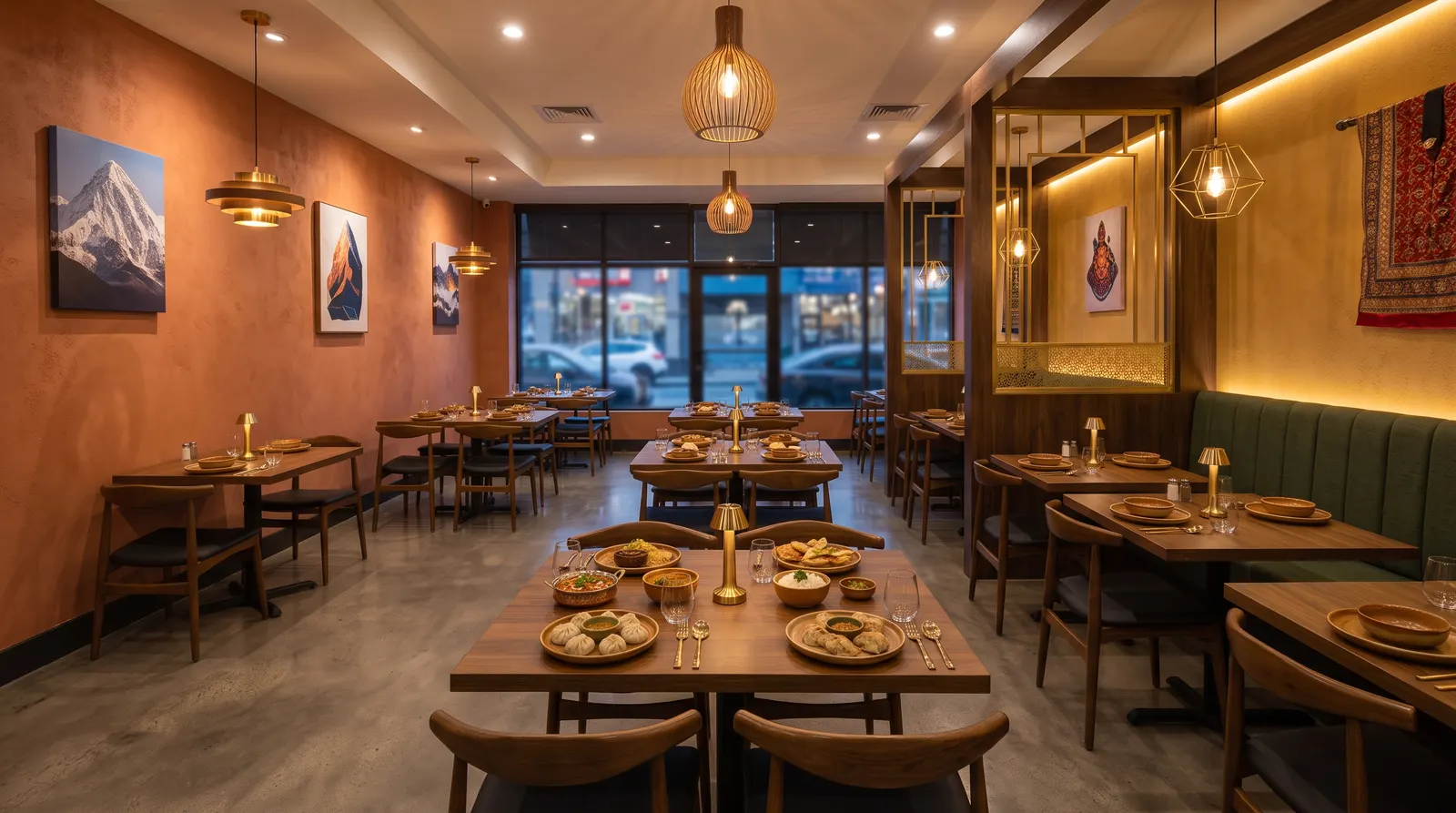
Illustrative dish photo, not a photo of Mumbai.
The scene in Mumbai
Mumbai's food is not one cuisine but a stack of them, each tied to a community that settled here: the Kolis who fished the coast before the city existed, Parsis and Irani café owners, South Indian migrants who made the Udupi restaurant a citywide format, and a street-food culture of vada pav, pav bhaji and bhel that crosses all of them. For a visitor exploring regional Indian food, it is the best single place to see how many cuisines one city can hold.
How it got here
Seafood is the oldest layer: Mumbai's Kolis are its original fishing community, and Koli cooking rests on fresh fish and a Koli masala. Zoroastrian and Shia Irani immigrants opened cafés from the late 19th century, and by the 1950s Mumbai had roughly 350 of them, against about 25 by 2005. Migrants from the Udupi region of Karnataka arrived from the 1930s, and one account dates the first Udupi boarding house in Fort to 1935; the name became the generic word for a South Indian eatery in the city.
What to expect
Expect to eat by community rather than by 'Indian food'. Irani cafés serve bun maska, strong sweet tea, kheema pav and Parsi dishes such as akuri and dhansak under high ceilings and bentwood chairs. Udupi restaurants serve South Indian food built around dosa and idli. Koli and Malwani places serve fish, including fried bombil (Bombay duck), often as a fish thali. Street stalls sell vada pav, pav bhaji, dabeli, pani puri and bhel puri.
Where to look
- Fort and Ballard Estate — The heart of South Mumbai's surviving Irani cafés, with their marble tables, mirrors and bun maska.
- Matunga and King's Circle — Home to a large South Indian community and long-running Udupi restaurants, serving South Indian food such as dosa.
- Girgaon Chowpatty and Khau Galli — Seafront street food: bhel, pav bhaji and the stalls that Mumbai's own food writing names as its fast-food heartland.
- Versova Koliwada — A working Koli fishing village within the city, and a place to find Koli fish cooking at its source.
Where to eat


Practical notes
The Irani café is a shrinking institution, so go to the surviving ones in South Mumbai while they last. Chowpatty and Khau Galli are the places for street food. Fish thalis are the easiest way to try Koli, Malvani and Goan cooking without ordering à la carte. Diaspora visitors should expect much of this to differ from the North Indian restaurant menu abroad, because it belongs to specific communities rather than to a single national menu.
What is listed in Mumbai
218 restaurants in the directory, by cuisine: