Indian and Nepali food in Delhi
Mughal kitchens in the old city, Punjabi tandoor everywhere else, and the home of butter chicken.
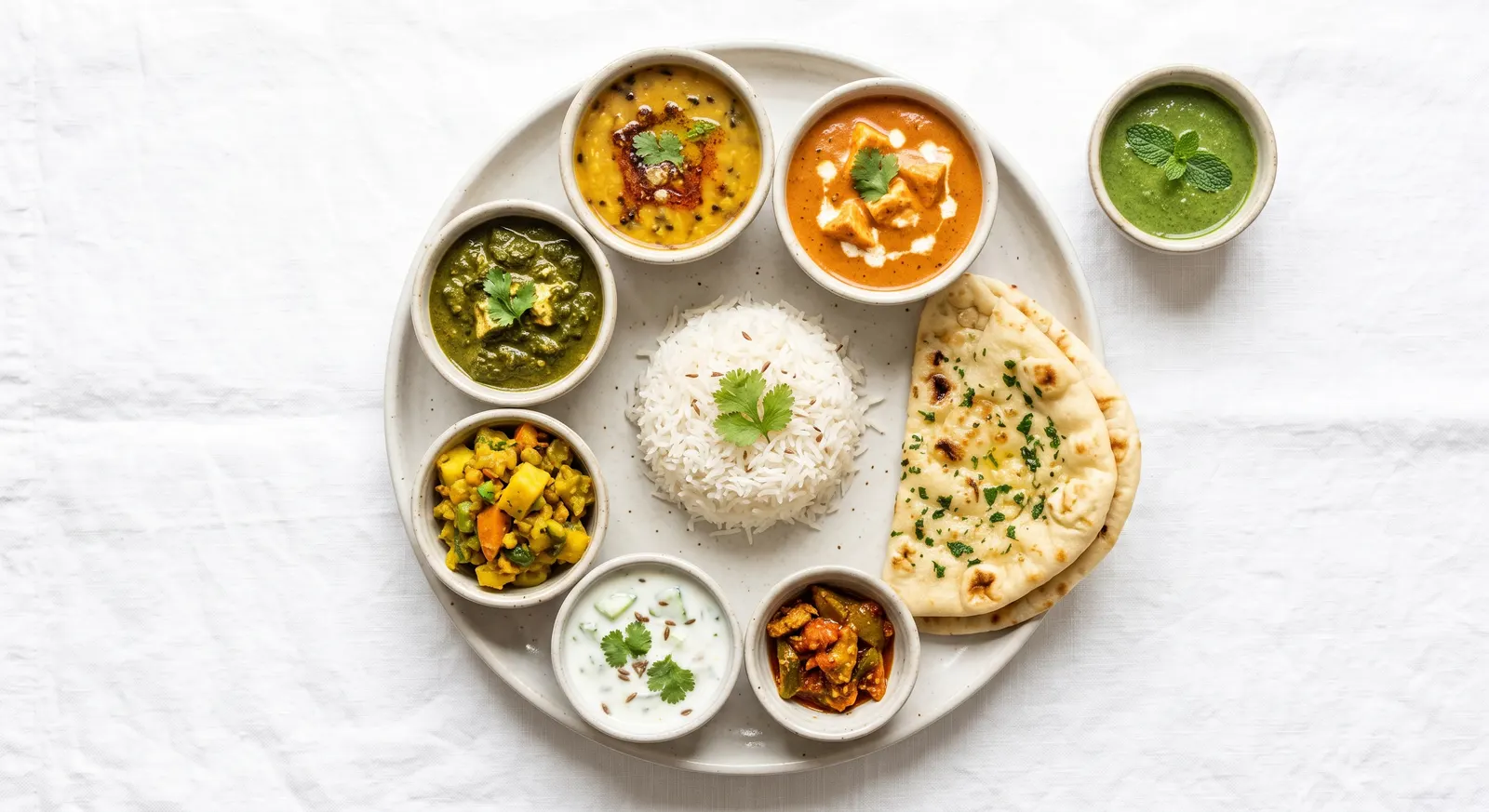
Illustrative dish photo, not a photo of Delhi.
The scene in Delhi
Delhi is where two food histories meet: the Mughlai cooking of the old walled city and the Punjabi tandoor cooking brought by refugees after 1947. The tandoor-led cooking of the second became, in one writer's words, the food of Delhi, and butter chicken, its best-known dish, is credited to the city. For visitors and diaspora eating here, the interest is seeing the sources of dishes familiar from home.
How it got here
Old Delhi's market at Chandni Chowk was laid out in 1650 and the city's Mughlai food grew around Shahjahanabad and the Jama Masjid. After Partition in 1947, about 15 million people were displaced across the new border, and Punjabi refugees, many from the North-West Frontier, brought the tandoor and a range of barbecued dishes with them. Butter chicken is traditionally credited to two Punjabi refugees from Peshawar at a Daryaganj restaurant in the 1950s, though rival restaurants contest the claim. One essay argues the new tomato-heavy Punjabi flavours displaced some of the city's older, more elaborate dishes.
What to expect
Two distinct eating experiences. In the old city, expect Mughlai dishes such as nihari and kebabs, alongside street food: paranthas from the lanes known for them, bedmi poori with aloo sabzi, jalebi fried in ghee, and chhole. Elsewhere, expect tandoori meats and the butter chicken and dal makhani style of Punjabi restaurant cooking. One account lists over a thousand kinds of food and sweets in Chandni Chowk, so go hungry.
Where to look
- Chandni Chowk — The 17th-century market street, with a paratha lane, sweet shops and old chaat and jalebi counters in one district.
- Jama Masjid area — The centre of Old Delhi's Mughlai cooking, known for nihari and kebabs from stalls and restaurants dating back to the early 1900s.
- Daryaganj — The district where Delhi's butter chicken is traditionally said to have been created in the 1950s by Punjabi refugees.
- Khari Baoli — Old Delhi's wholesale spice, dried fruit and pickle market, where much of the city's cooking begins.
Where to eat




Practical notes
The old city is crowded, and many of the best-known shops there have been open for decades, some since the early 1900s. Nihari is traditionally a breakfast dish, so go in the morning. The spice market on Khari Baoli is worth a visit even if you are not buying. Check what each stall is known for before queuing, as the old shops tend to specialise in one or two dishes.
What is listed in Delhi
192 restaurants in the directory, by cuisine: