Indian and Nepali food in Osaka
Where curry is a local obsession, and the Indian restaurant sits next to a distinctly Osaka spice-curry scene.
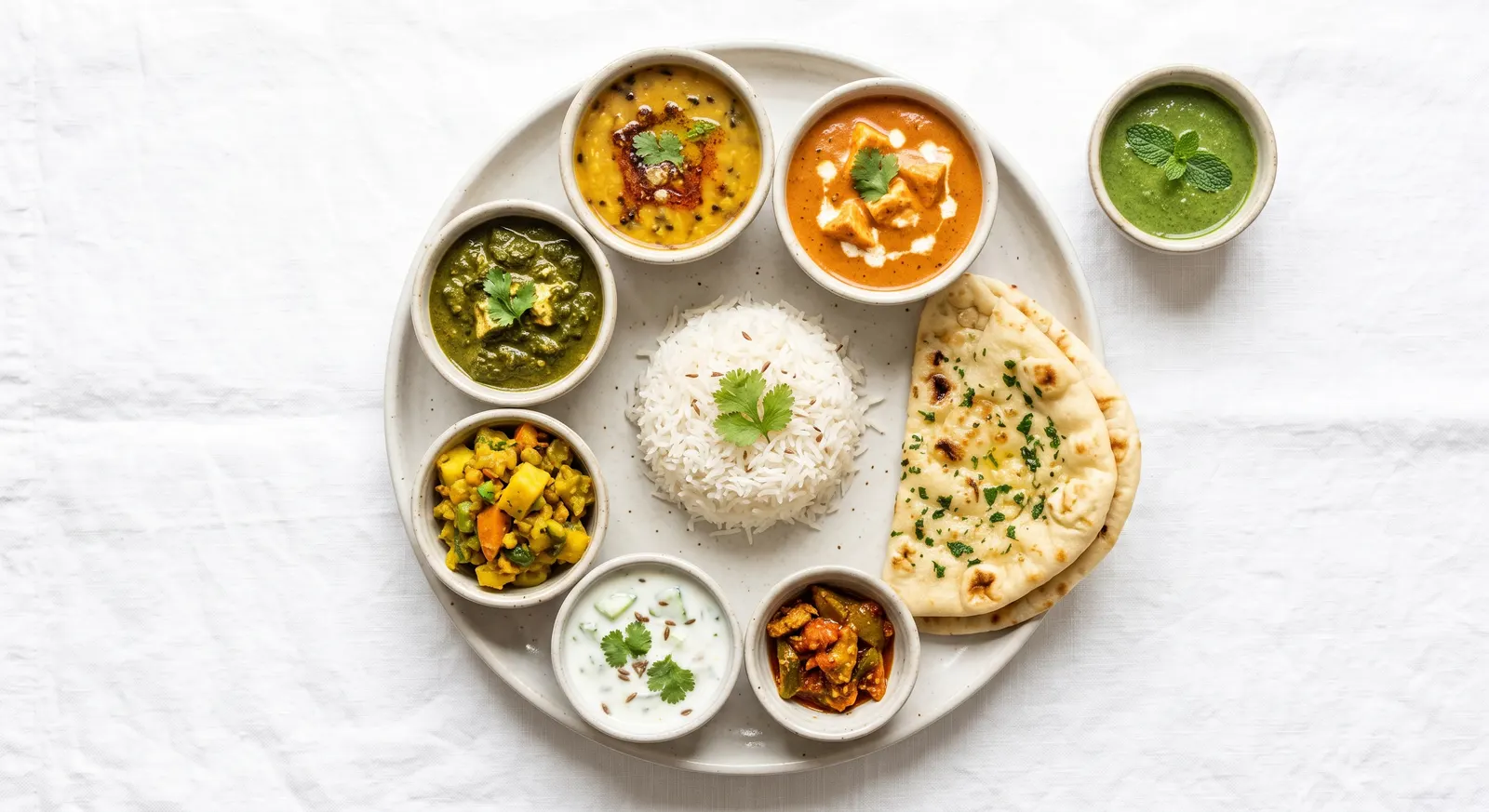
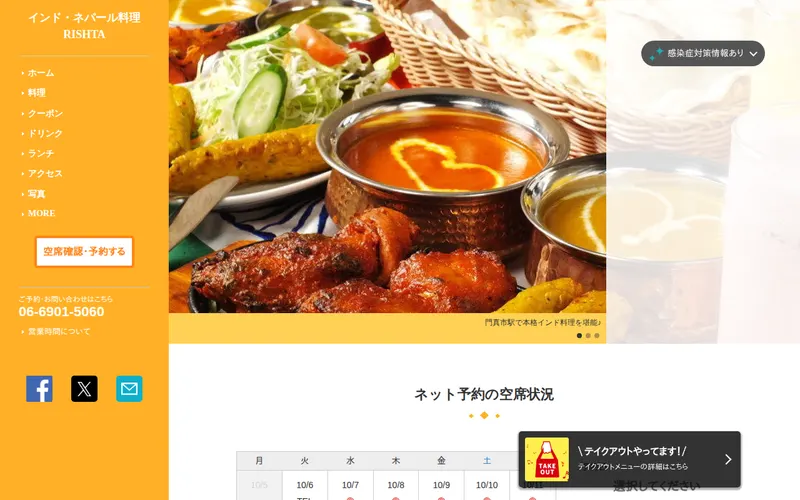
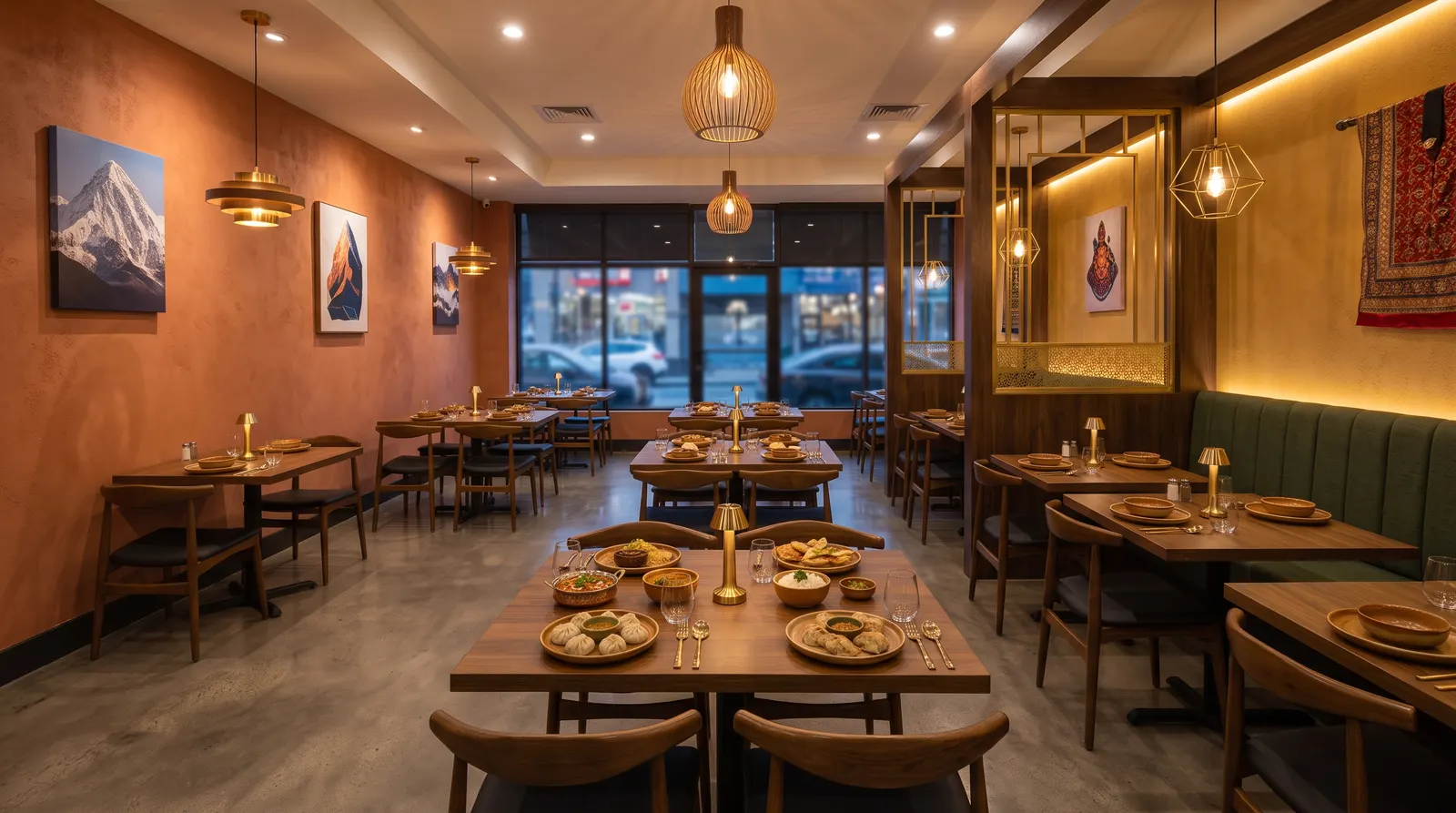
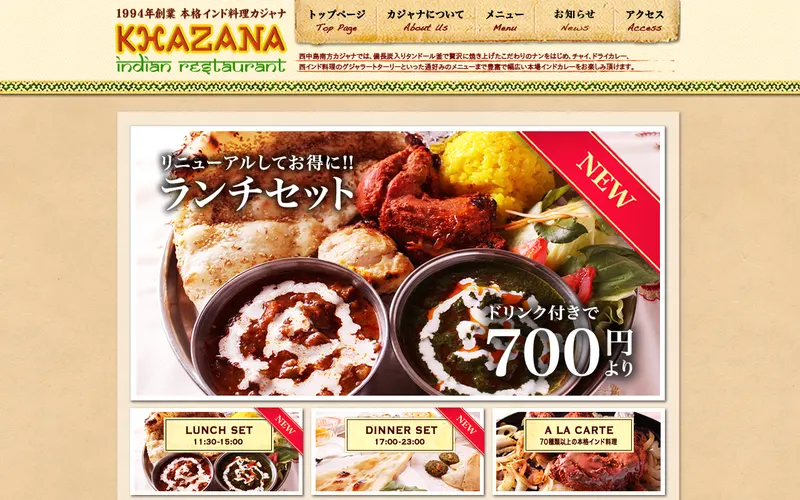
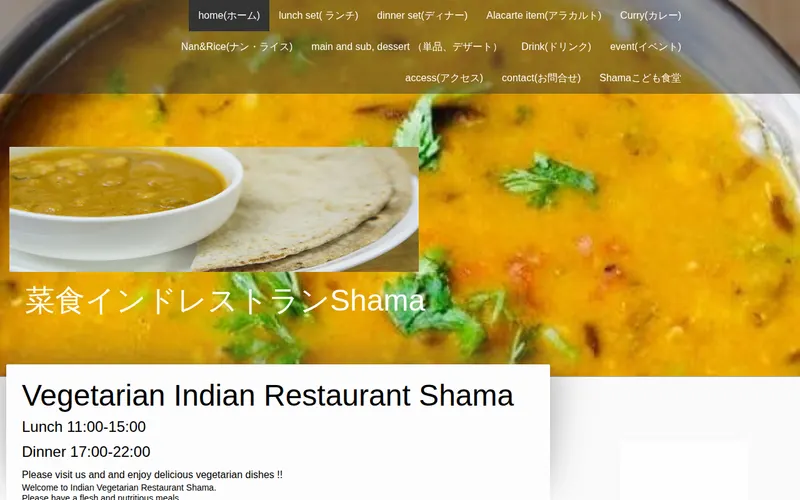
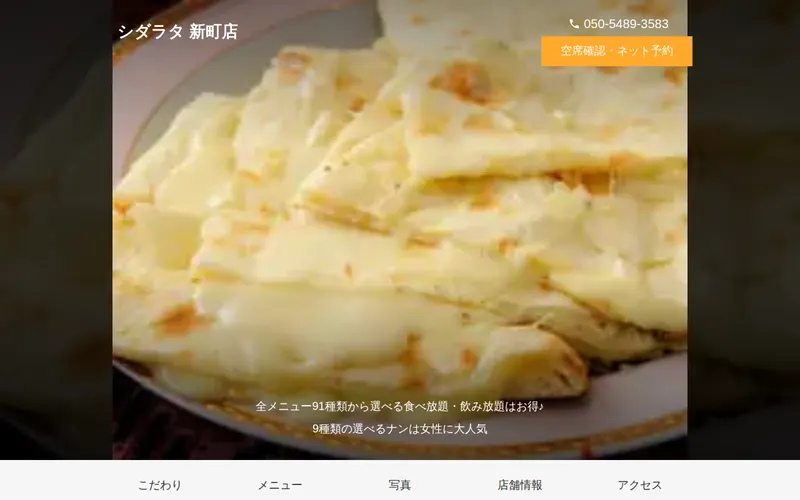
Illustrative dish photo, not a photo of Osaka.
The scene in Osaka
Osaka's South Asian food sits within a city that has its own curry culture. Most Indian restaurants in Japan are a fusion of Nepali and Indian cooking, and Osaka has them too. Separately, the city is known for 'spice curry', a light, flour-free style that is Japanese rather than Indian in origin, and that you should not confuse with the restaurant menus.
How it got here
Japan's Indian community was long centred in Kobe rather than Tokyo. After the 1923 Kanto earthquake destroyed Yokohama's Indian trading quarter, traders moved west to Kobe, which stayed the centre of the community until about 1990, when Tokyo's numbers began to rise sharply. The Indian Chamber of Commerce in Japan was established in 1937 with its headquarters in Osaka. An official source puts the Indian population of Kansai at around 3,000. Nepalis are by far the largest South Asian group in Japan, and their cooking shapes the Indian restaurant scene.
What to expect
The standard format is the Nepali-run Indian restaurant with a lunch set: curry, a large naan, and often unlimited plain naan. Reviews of such places describe curries tuned sweeter for Japanese diners, and some customers prefer restaurants offering Nepali khana sets instead. Osaka also has older Japanese curry houses, one dating to 1910 and another to 1947, serving a sweet-then-spicy style, and the newer spice curry, often served in aigake combinations of two or three curries.
Where to look
- Kitahama — Usually named as the birthplace of Osaka's spice-curry movement, though accounts of its exact origin vary.
- Umeda — The Kita business district has Indian restaurants in station-linked buildings, as well as spice-curry and Nepali-run places.
- Minami — Home to some of Osaka's oldest curry houses, serving a sweet-then-spicy Japanese curry that dates to the early 1900s.
- Kobe: Sannomiya and Kitano — Not Osaka itself, but the centre of Kansai's long-established Indian community, with Indian restaurants and businesses.
Where to eat

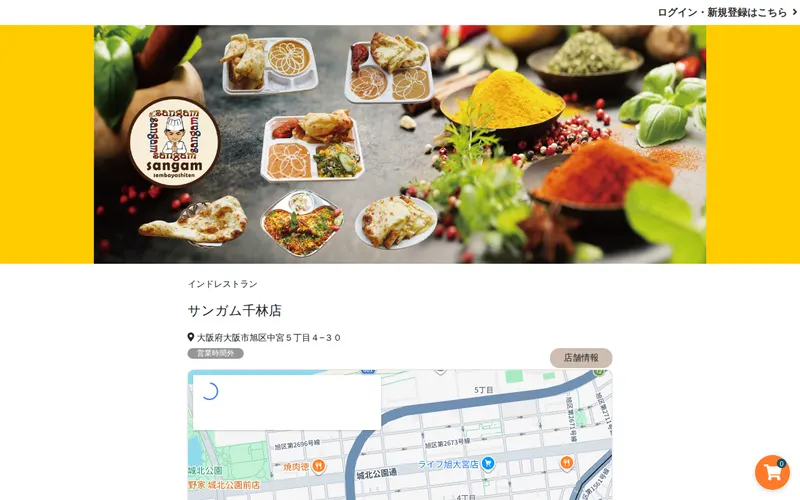
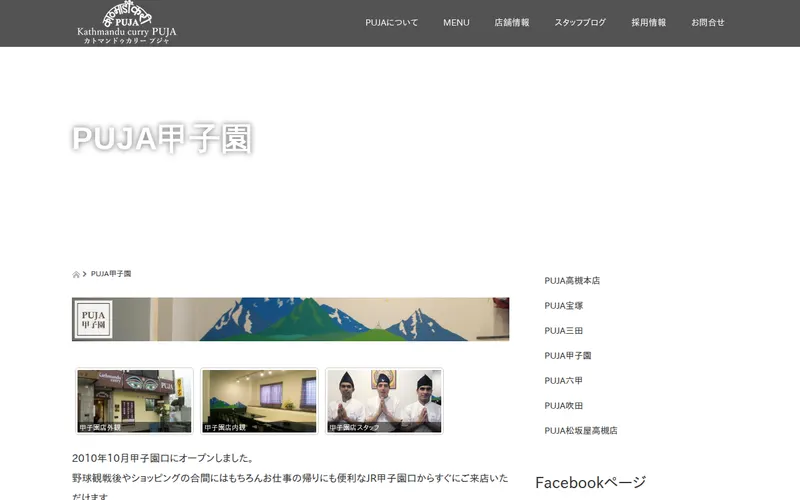
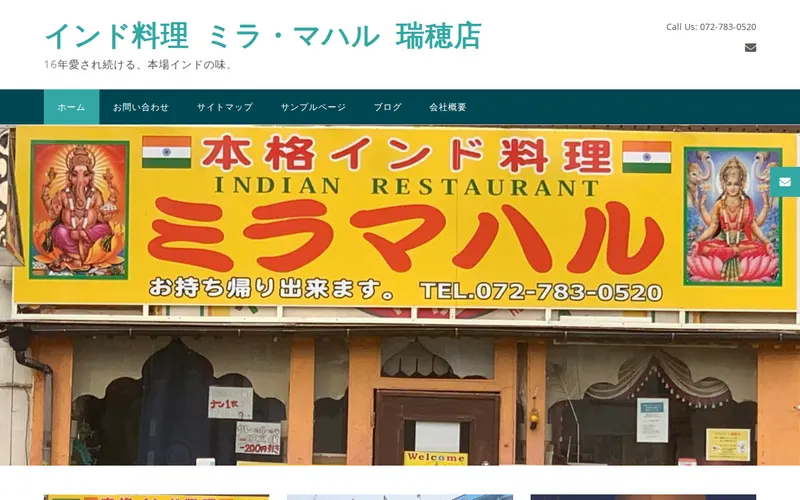

Practical notes
Treat spice curry shops and Indian restaurants as separate categories when searching: the former is a Japanese style, the latter an adapted South Asian one. The spice-curry movement is usually traced to Kitahama, though accounts of its origin vary and much of the 'birthplace' wording is promotional. For Indian cooking closer to the original, neighbouring Kobe has Indian restaurants and businesses around Sannomiya and Kitano.
What is listed in Osaka
159 restaurants in the directory, by cuisine: