Indian and Nepali food in Houston
Hillcroft's Gandhi District and a second cluster in Sugar Land, in a city that drives to both.
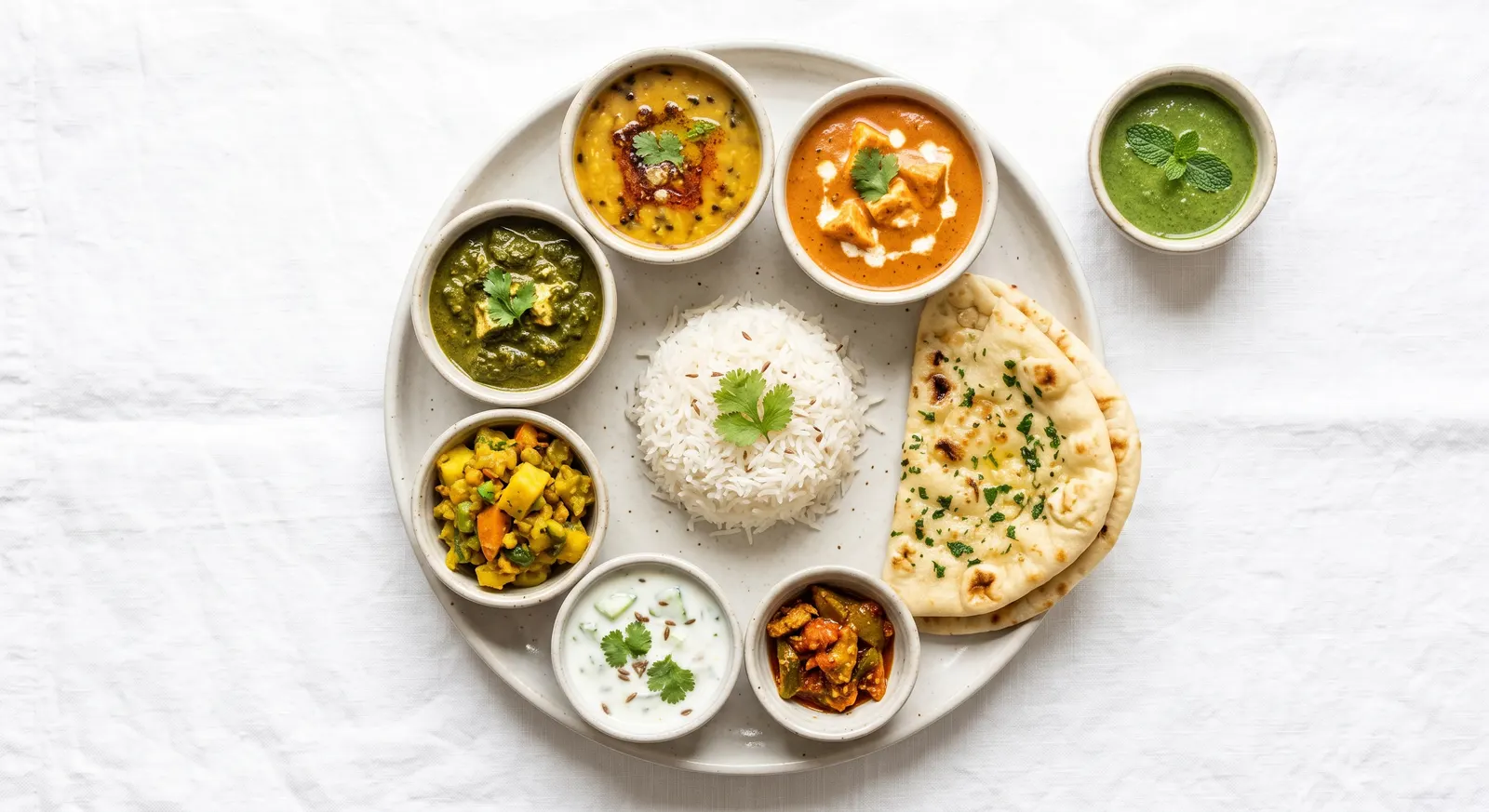
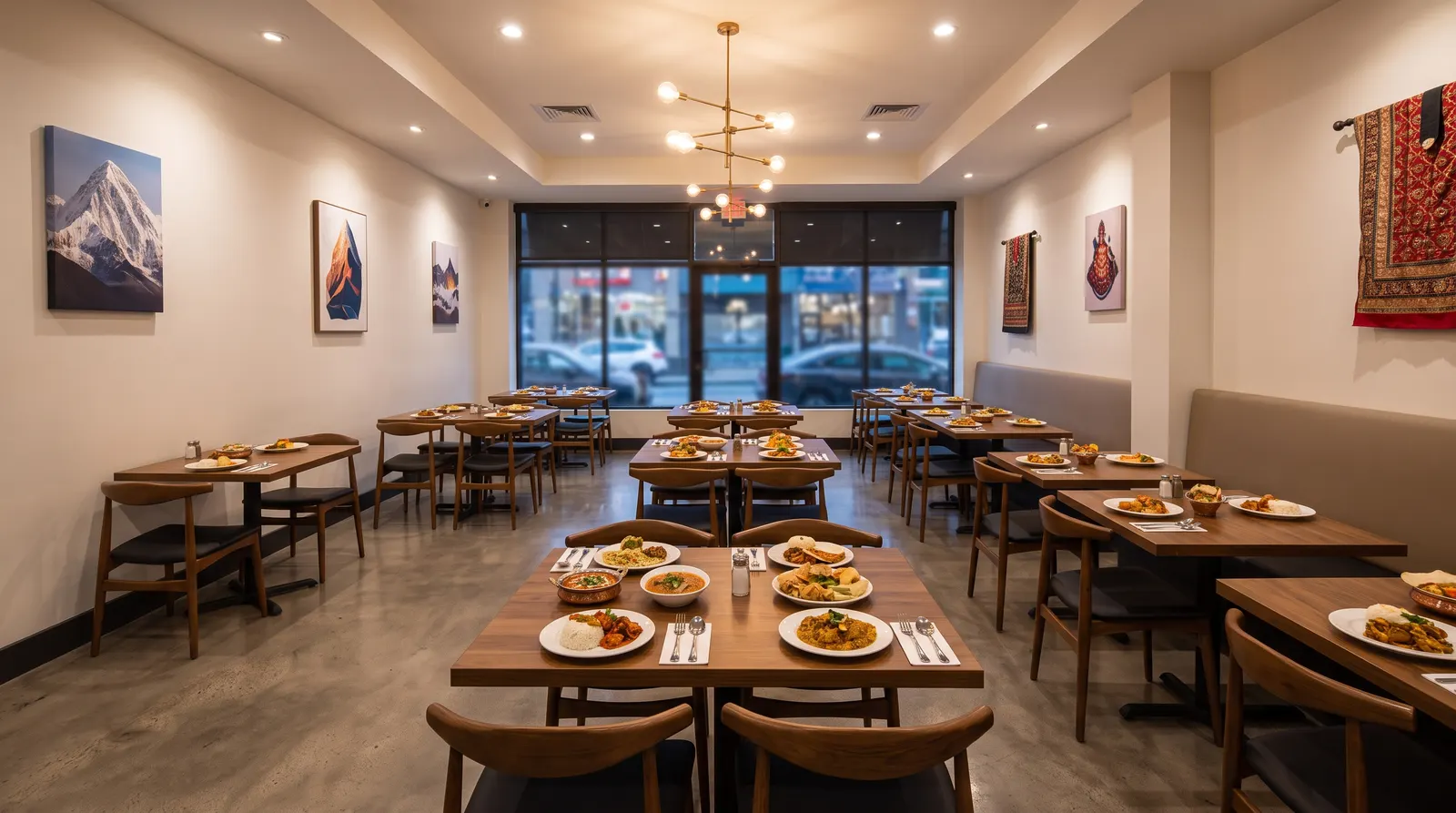
Illustrative dish photo, not a photo of Houston.
The scene in Houston
Houston's South Asian food is centred on the Mahatma Gandhi District around Hillcroft Street, west of downtown, where restaurants, groceries, jewellers and sweet shops serve a community drawn from Punjab, Gujarat, Pakistan, Bangladesh and Kerala. A second cluster has grown in Sugar Land, a separate suburb to the southwest, and the two together cover most of what the city offers. The cooking is broad and the portions are large, the lunch buffet is a local institution, and the heat and sprawl shape when and where people eat.
How it got here
South Asian migration to Houston grew after the 1965 Immigration Act and accelerated with the city's energy, engineering and medical industries, which drew professionals from India and Pakistan and, later, Bangladesh and Nepal. The community settled in the suburbs rather than the centre, and the Hillcroft strip grew as its commercial address: groceries first, then restaurants, jewellers and sweet shops, in the low buildings and car parks that the city builds everywhere. The district carries the name of Mahatma Gandhi, and the street signs mark it. Sugar Land grew its own cluster as the South Asian population spread southwest, and it is now a second centre rather than a satellite. It sits in Fort Bend County, where Asian Americans make up about a fifth of residents.
What to expect
Expect a lunch buffet or a thali at midday, a large à la carte dinner and a bill that reflects the size of the portions. A buffet usually runs to a dozen items at a fixed price — a few curries, rice, naan, salad and a dessert such as kheer or gulab jamun — and is at its best early in the lunch hour, before the trays have been picked over. The Indian restaurants here are built for families and for the professional lunch trade, so the rooms are big, the parking is in front and the service is quick. The range is wide: Punjabi and Pakistani grills, Gujarati vegetarian thali, South Indian dosa and Kerala fish curries. Where a Kerala kitchen lists appam with stew or puttu with kadala curry, those are breakfast and supper dishes at home, so they suit an evening visit better than the lunch buffet. Tipping is eighteen to twenty per cent and is expected. Reserve for dinner on Friday and Saturday, when the good rooms fill. The groceries are worth entering for fresh produce — tindora, bitter gourd, methi and curry leaves — and for the whole spices sold in large bags.
Where to look
- Mahatma Gandhi District and Hillcroft — The centre of South Asian Houston: a mile of restaurants, groceries, jewellers and sweet shops along Hillcroft Street, west of downtown. It serves the whole metropolitan area rather than the blocks around it.
- Sugar Land — Newer and less dense than Hillcroft, with Indian and Pakistani restaurants and groceries built into strip centres, and it is where a large part of the region's South Asian population actually lives.
- The Galleria and Westheimer — The commercial west side, where the Indian restaurants are aimed at the professional lunch and dinner trade rather than at the community's weekly shop. The rooms are larger and the prices higher than on Hillcroft, and the cooking is more likely to be North Indian restaurant fare than a regional kitchen.
- Katy and the western suburbs — The fast-growing western suburbs, where South Asian families have settled and groceries and family restaurants have followed. It is a drive from the centre, and the food is aimed at households doing a weekly shop rather than at visitors.
Where to eat
Govinda's Vegetarian Cuisine
Directory listing — no guide yet
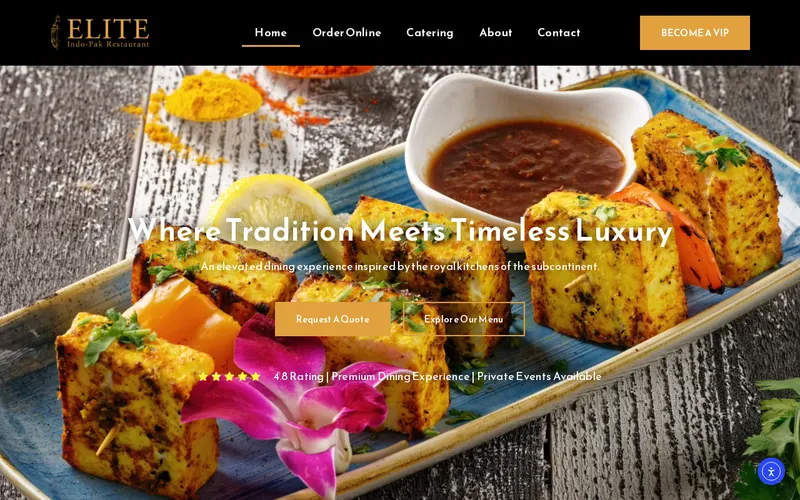
Elite Restaurant & Catering
Directory listing — no guide yet
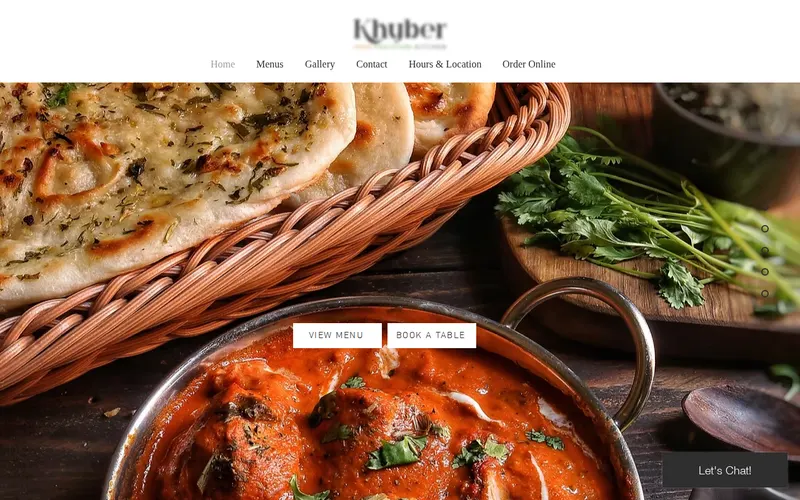
Khyber North Indian Grill
Directory listing — no guide yet
Red Lion Pub
Directory listing — no guide yet
Shri Balaji Bhavan
Directory listing — no guide yet
Curry Masala
Directory listing — no guide yet
Jasmin's
Directory listing — no guide yet
Aga's Restaurant To-Go
Directory listing — no guide yet
Curry and Grill
Directory listing — no guide yet
Kati Roll Wala
Directory listing — no guide yet
Twisted Pizza & Curries
Directory listing — no guide yet
Nirmanz Food Boutique
Directory listing — no guide yet
Practical notes
Hillcroft is west of downtown, beyond the Galleria, and it is not a district to walk. Sugar Land is about twenty miles southwest and needs its own trip. Many restaurants close between the afternoon and the evening, and some close on Monday. The summer runs from May to September and is hot enough that nobody eats outside; the winter, by contrast, is the season for patios and for the festivals that fill the car parks. Cash is useful in the groceries and sweet shops, and the sweet counters sell by the box for weddings and festivals.
The food year
Diwali in October or November fills the sweet shops of Hillcroft and Sugar Land, and the temples and associations hold their own celebrations. Eid is the biggest day of the year for the Pakistani and Bangladeshi shops, and Ramadan turns the evenings into the busiest trade of the month. Onam in late August or September is the Malayali harvest festival, and the Kerala restaurants serve sadya on banana leaves for a week. Holi in March is a public, colourful affair, and Vaisakhi in April is marked by the Punjabi and Sikh community. The Texan calendar sits on top: Thanksgiving and Christmas close many family restaurants. The large Hindu temples in the southwest, such as the BAPS mandir in Stafford and the Meenakshi temple in Pearland, are where the Diwali and Navratri crowds gather.
A common mix-up
Visitors assume Houston's Indian food is downtown, near the hotels and the convention centre, and that a taxi will take them to it. The other mistake is treating the city's Indian food as Punjabi restaurant cooking, when the range is wider; the lunch buffet, which visitors often skip, is where the cooking is most consistent.
What is listed in Houston
54 restaurants in the directory, by cuisine: