Indian and Nepali food in Paris
A dense South Asian quarter around the Gare du Nord, where the sign says 'indien' and the kitchen is often something else.
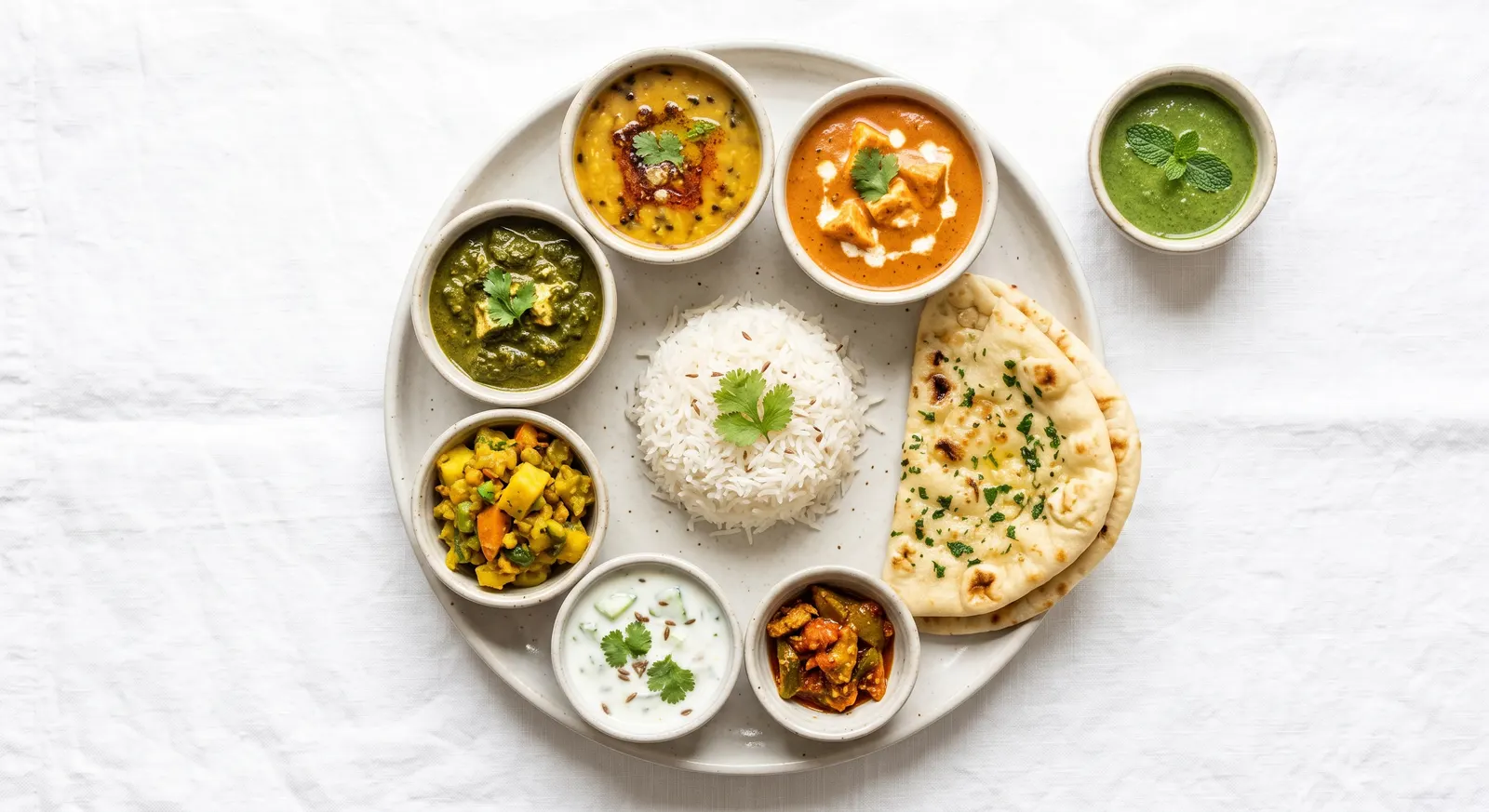
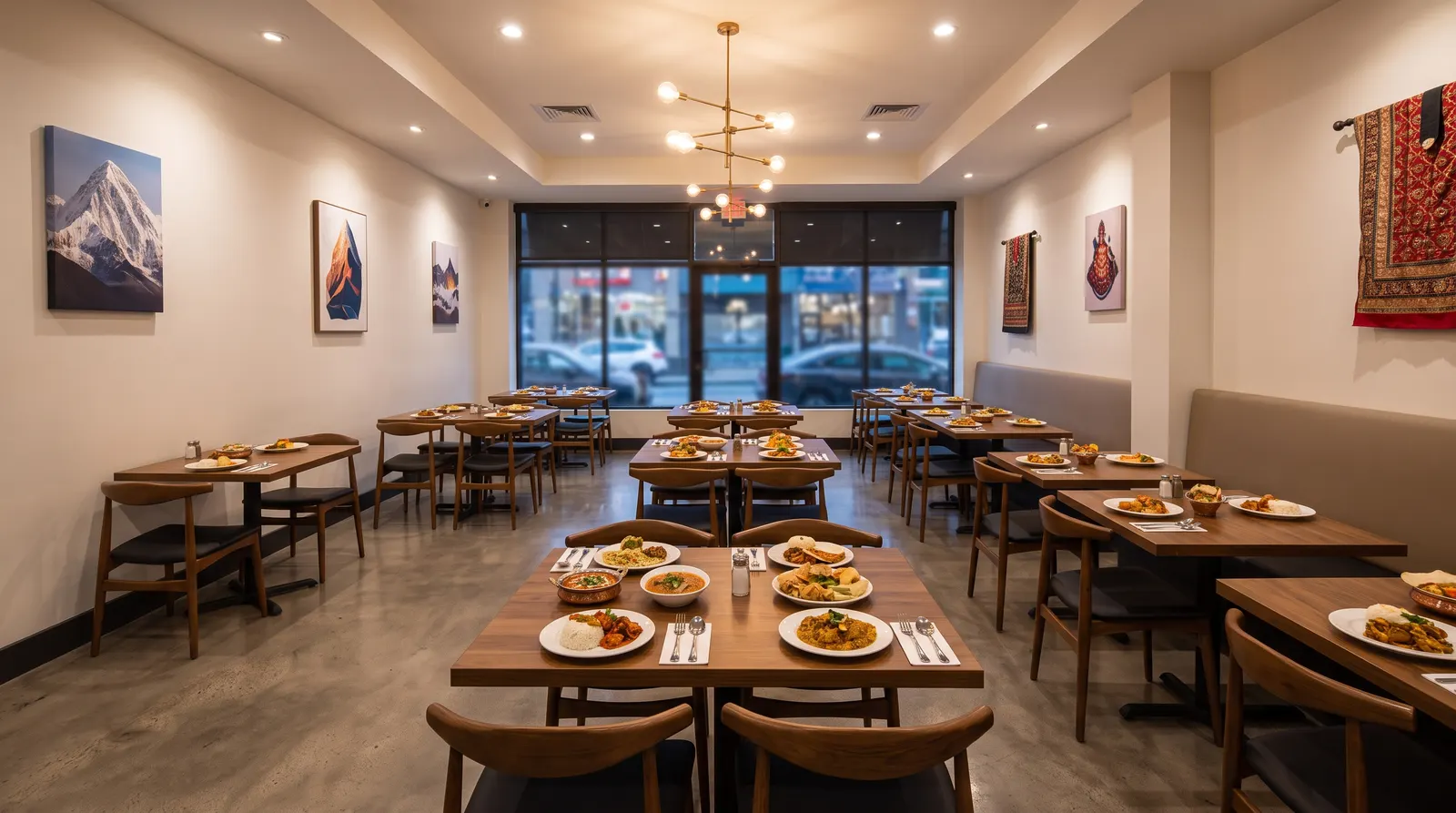
Illustrative dish photo, not a photo of Paris.
The scene in Paris
Paris's South Asian food is concentrated in the tenth arrondissement, in the streets between the Gare du Nord and La Chapelle, rather than spread across the city. Rue du Faubourg Saint-Denis and Rue Cail hold most of it: Tamil Sri Lankan kitchens, Pakistani and Indian restaurants, groceries, sweet counters and spice shops. Passage Brady, the covered arcade near Strasbourg-Saint-Denis, is the older and more decorative version of the same trade. The cooking is more varied than the single word 'indien' on a façade suggests, and a good part of it is not Indian at all.
How it got here
South Asian food arrived in Paris with several communities that did not arrive together. Tamils came from Sri Lanka and from Pondicherry, the former French territory on the Coromandel coast, and their cooking is the strongest single thread in the quarter. Punjabis and Pakistanis came for work in the same decades, and Bangladeshis and Nepalis later. Mauritians and Réunionnais brought a cooking of their own, Indian in its spice and French in its structure, which is part of why a Parisian menu can read differently from a London one. Passage Brady was a covered arcade before it was a restaurant address. The Indian and Pakistani places inside it became the postcard image of South Asian Paris. The station is the reason the quarter is where it is: arrivals from the airport and the northern lines, cheap rooms, and a market street that was already busy before the restaurants came.
What to expect
Expect the French lunch to shape the food more than the Indian menu does. Most restaurants serve a formule at midday — a curry, rice or naan and a drink — at a price well below the same meal in the evening, and the kitchen is at its most careful then. Dinner starts later than in London or New York, often after eight, and the room fills slowly. The word 'indien' on a sign tells you very little. It may mean a Tamil kitchen, a Punjabi one, a Pakistani grill or a Nepali restaurant cooking North Indian food for a French clientele. Read the smaller lines on the menu and listen to the language of the other customers. English varies from fluent to none, and a little French goes a long way. Service compris is included by law, so the price on the menu is the price on the bill.
Where to look
- La Chapelle and Gare du Nord — The centre of gravity: the streets around the station, dense with restaurants, groceries and sweet shops. It is a working shopping quarter rather than a restaurant strip, busiest in the morning and again in the evening, and the food is priced for the people who live there.
- Rue Cail — The Tamil street of the quarter — groceries, spice shops and small restaurants doing dosa, hoppers and fish curry at low prices. The shopfronts are modest and the trade is everyday: families buying provisions, workers eating lunch, and a handful of places that have been there long enough to be institutions without being famous.
- Rue du Faubourg Saint-Denis — The long street running north from the Gare du Nord, with Pakistani and Indian restaurants, sweet counters and groceries on both sides. It is the most varied single street in the quarter and the easiest place to compare kitchens: a Punjabi grill, a Tamil café and a Bangladeshi grocer within a few doors of each other.
- Passage Brady — Indian and Pakistani restaurants under a glazed roof. It is more decorative than essential now, and the cooking is aimed at visitors as much as at the community, but the arcade itself is worth walking through.
- Strasbourg-Saint-Denis — The eastern edge of the quarter, where the arcade meets the boulevards and the surrounding streets hold groceries and sweet shops. It is the more mixed end of the district, with the trade spread thinly between the metro exits rather than concentrated on one road.
Where to eat
Appuchi
Directory listing — no guide yet
Coffee Anjapper
Directory listing — no guide yet
K'si
Directory listing — no guide yet
Chez Laxmi
Directory listing — no guide yet
Ashiana
Directory listing — no guide yet
Saravanaa Dosa
Directory listing — no guide yet
Goa
Directory listing — no guide yet
Vaijayanta
Directory listing — no guide yet
Le Taj Mahal
Directory listing — no guide yet
New Kashmir
Directory listing — no guide yet
Le Maharaja 18
Directory listing — no guide yet
Mumbai Café
Directory listing — no guide yet
Practical notes
The quarter is a short walk from the Gare du Nord and Gare de l'Est, which makes it one of the easiest immigrant food districts in Europe to reach on foot. Many restaurants close on Monday, and several close between the afternoon and the evening, so a late-afternoon meal is harder to find than a lunch or a dinner. Cash is useful in the smaller shops.
The food year
Pongal in mid-January is the Tamil harvest festival, and the Tamil shops and temples of the quarter mark it with sweet pongal and a run on fresh produce; the Tamil new year in mid-April is the other date in that calendar. Diwali in October or November is quieter here than in London, marked in the shops and at the temples rather than in the street. Ganesh Chaturthi in August or September brings processions to the Tamil temples, and the restaurants around them fill afterwards. Many Pakistani and Bangladeshi shops close for Eid, and the restaurants are full the night before; Ramadan moves the evening trade later for a month. Holi in March is a smaller affair, celebrated by the community rather than in public.
A common mix-up
Visitors conclude from the concentration of restaurants that Paris has one Indian cuisine, mildly adapted to French taste, and that the word 'indien' describes it. It describes a district, not a cuisine. The second mistake is expecting the food to be bland because it is in France. The Tamil kitchens in particular are not: they are sour, hot and built on fish and lentils rather than on cream. The third is treating Passage Brady as the destination. The cooking has moved a few streets north, to the ordinary stretch between the stations.
What is listed in Paris
287 restaurants in the directory, by cuisine: