Indian and Nepali food in Chicago
A South Asian city strip several miles north of the Loop, where the cooking is as much Pakistani and Gujarati as Indian.
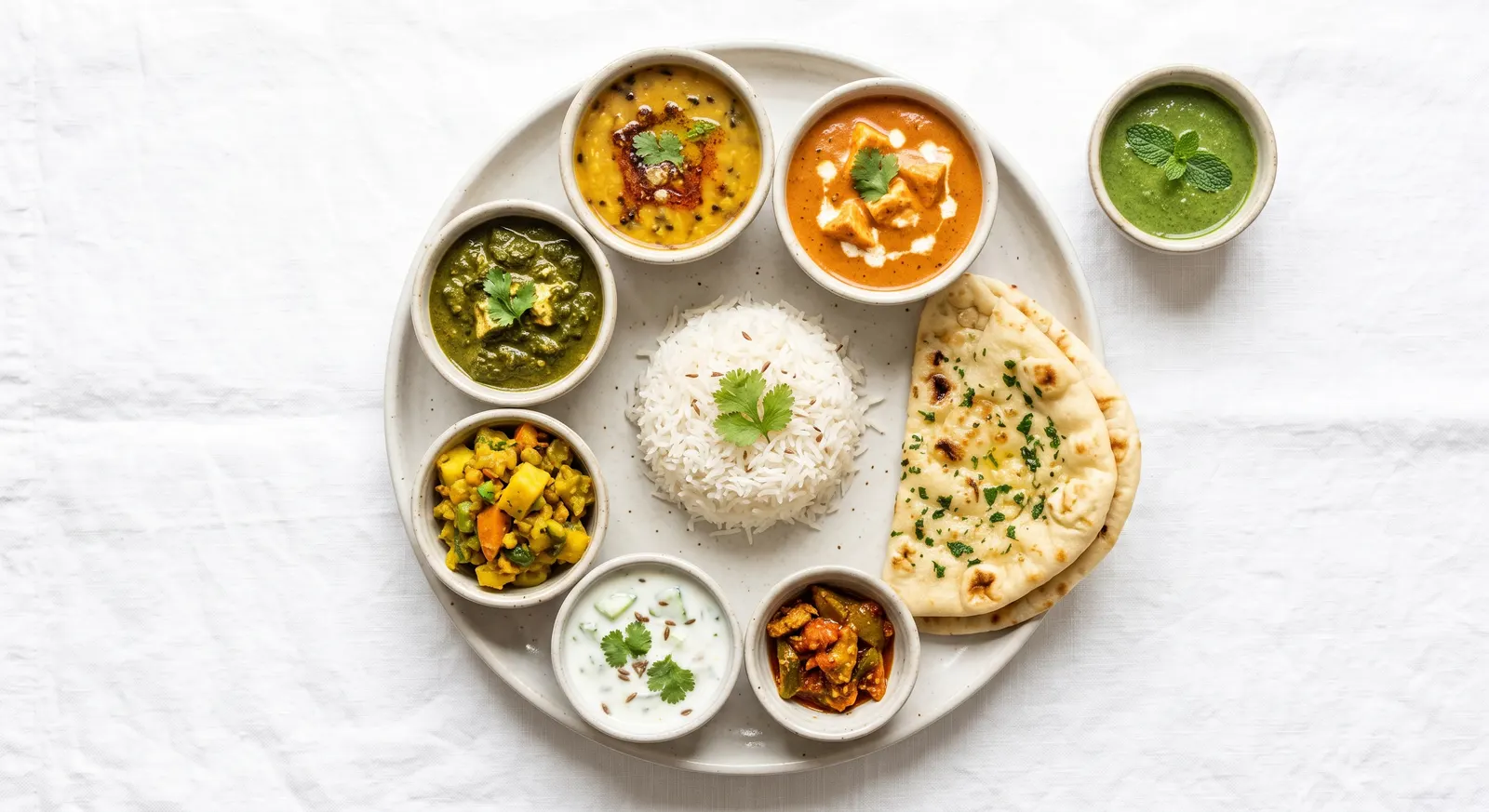
Illustrative dish photo, not a photo of Chicago.
The scene in Chicago
Chicago's South Asian food is anchored on Devon Avenue in West Ridge, a commercial strip. Sari shops, groceries, restaurants and sweet counters run along it for several blocks, and the cooking is Punjabi, Gujarati, Pakistani, Bengali and Malayali at once. The wider community has moved out to the suburbs, but Devon remains the place where the range is densest.
How it got here
Devon Avenue was a Jewish shopping street before it was a South Asian one, and the succession is visible in the buildings: the same low storefronts, the same kind of shopfront, a new set of signs. South Asian businesses began arriving in the 1970s, as professionals and their families settled in West Ridge and the streets around it, and by the 1980s the strip had become the commercial centre for the region. Gujarati, Pakistani, Bengali and Malayali households added their own kitchens. Skokie, Naperville and Schaumburg grew clusters of their own later, with restaurants built for families and parking rather than for a walkable street. The result is a region with one dense historic strip and several suburban centres, which is the shape of most American South Asian food geography. The Chicago region now has one of the largest South Asian populations in the United States, and most of it lives in the suburbs.
What to expect
Expect a strip that is genuinely mixed: a Gujarati thali house, a Pakistani kebab counter and a Bengali sweet shop within a few doors of each other. The vegetarian cooking is strong and cheap, as it is wherever Gujaratis have settled, and the Pakistani grills are the other half of the strip. The Pakistani and Bangladeshi restaurants are generally halal and the Gujarati ones vegetarian, so the room you pick decides the whole meal. At a thali house the plate is refilled until you say stop, so ask for less rather than leave food. Sweet counters sell by the pound, and a mixed box of barfi and ladoo is the usual way to take something home. Many restaurants are bring-your-own, which is normal in Chicago and not a mark of a cheap room; some shops are cash-first. Winter changes the experience. The strip is quieter in January, the rooms are indoors and the cooking turns to slow-braised meat and hot bread. Parking on Devon is tight and the side streets are permitted, so a lot is worth the few dollars.
Where to look
- West Ridge and Devon Avenue — The historic strip, with Pakistani and Indian businesses mixed together on the same blocks. Its range is wider than anywhere else in the region.
- Skokie — The closest of the suburban clusters, immediately north of the city, with restaurants and groceries serving a settled South Asian population. The rooms are larger and the parking easier than on Devon, and the cooking is aimed at families rather than at a lunch trade.
- Naperville — A western suburb with a growing South Asian professional population and the restaurants that follow it: family rooms, buffets and groceries in strip centres. It is a drive from the city and a different food economy — cheaper per head, with bigger portions.
- Schaumburg — A northwestern suburb with a similar pattern: offices, car parks and a cluster of Indian and Pakistani restaurants and groceries serving the households around them. It is the least walkable of the four and the most convenient by car, which is the trade-off the whole region makes.
Where to eat
Cumin
Directory listing — no guide yet
Arya Bhavan
Directory listing — no guide yet
Hyderabad House
Directory listing — no guide yet

Nepal House
Directory listing — no guide yet
Curry On Fire
Directory listing — no guide yet

Nepal House
Directory listing — no guide yet
The Little India
Directory listing — no guide yet
The Momo World
Directory listing — no guide yet
Ghareeb Nawaz
Directory listing — no guide yet
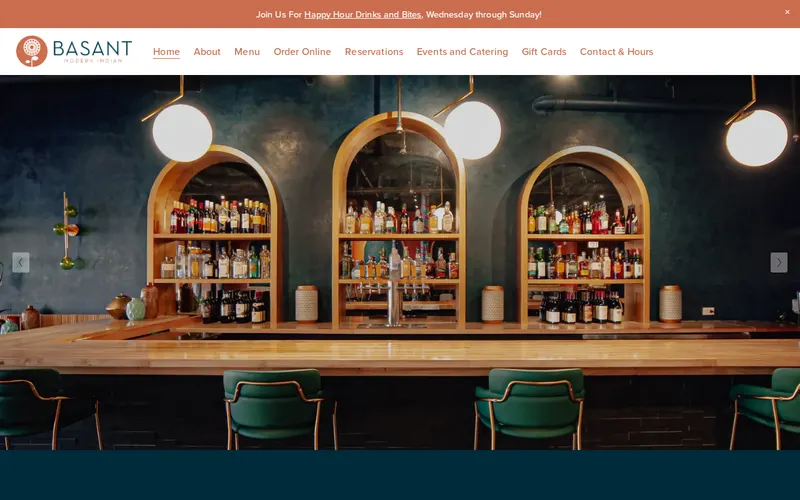
Basant
Directory listing — no guide yet
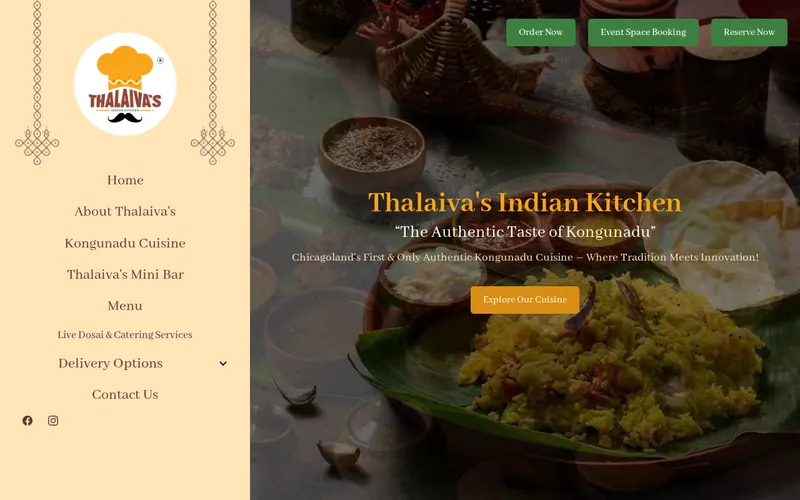
Thalaiva's Indian Kitchen
Directory listing — no guide yet
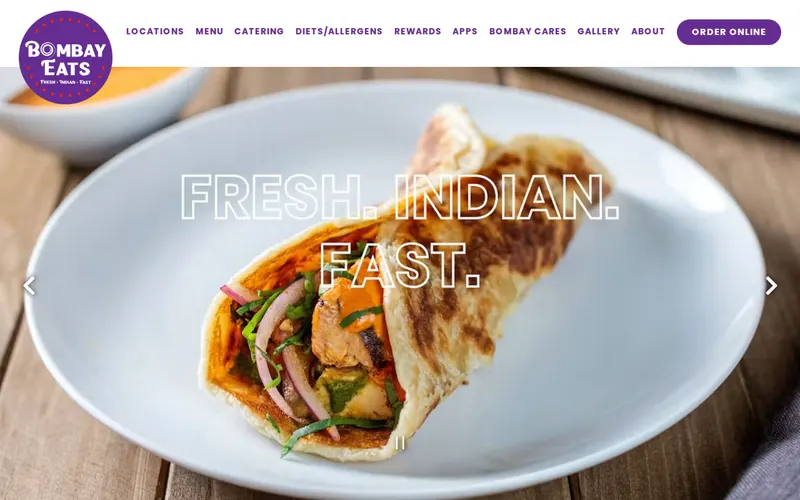
Bombay Wraps
Directory listing — no guide yet
Practical notes
Devon Avenue is several miles north of downtown, on the far north side, and it is not on a train line; the Red Line gets you close and a bus covers the last stretch. The avenue carries the honorary names Gandhi Marg and Mohammed Ali Jinnah Way, named for figures from India and Pakistan. Weekday lunch is the quietest and cheapest time, and the sweet shops are freshly stocked in the morning. Friday and Saturday evenings are busiest, and the Pakistani restaurants fill after prayers. Many places close on Monday. Skokie is close; Naperville and Schaumburg are a drive. Tipping is eighteen to twenty per cent, and the bill is brought to the table.
The food year
Diwali in October or November is the sweet season on Devon, when the shops sell boxes by the dozen and the strip is at its busiest. Vaisakhi in April brings the Punjabi community out, and the gurdwaras in the suburbs hold their own celebrations. Eid is the biggest day of the year for the Pakistani and Bengali shops, and Ramadan moves the evening trade later for a month. Holi in March is marked in the suburbs with colour and food, and Navratri in the autumn brings Gujarati fasting food and garba to the halls. The large Hindu temples in Lemont and Aurora, southwest and west of the city, fill on festival days, so the western suburbs are where the crowds are.
A common mix-up
Visitors assume Chicago's Indian food is downtown, near the Loop and the hotels, because that is where they are staying. The concentration is on Devon Avenue in West Ridge, and it is a working shopping street rather than a restaurant quarter. The second mistake is thinking the strip is Indian. A large part of it is Pakistani and Bangladeshi.
What is listed in Chicago
70 restaurants in the directory, by cuisine: